




Theorema Watches: Worth The Buy In 2026?
A real look at craftsmanship, price, and everyday wear.
You’ve probably come across Theorema watches at some point—maybe through a friend, a late-night scroll, or a perfectly styled wrist shot online. But beyond the aesthetic, the real question is: are they actually worth it?
With so many watch brands competing for attention right now, it’s easy to get lost in the mix of polished campaigns and bold claims. So we took a closer look at what Theorema is really offering—and whether it holds up beyond first impressions.
Understanding What Theorema Is
Theorema sits under the Tufina brand family, an independent watchmaker that leans into a more hands-on approach. Each piece is assembled manually by watchmakers, then individually tested and adjusted before it reaches you.
In a world dominated by mass production, that kind of craftsmanship feels intentional. Whether that matters to you depends on what you want from your watch—but it definitely adds a layer of character to each piece.
Looking at the Price Range
Most Theorema watches land somewhere between $400 and $1,500, with many styles sitting comfortably in the $400–$800 range.
It’s that in-between space: more of an investment than a throwaway accessory, but still far from traditional luxury pricing. At this level, expectations shift—you’re looking for quality, design, and longevity without paying purely for a name.
Breaking Down the Components
When it comes to watches, what’s inside matters just as much as how it looks.
The Movements
Theorema focuses on mechanical and automatic movements—meaning no batteries, just gears and motion doing the work. At this price point, that already sets them apart from brands still relying on quartz.
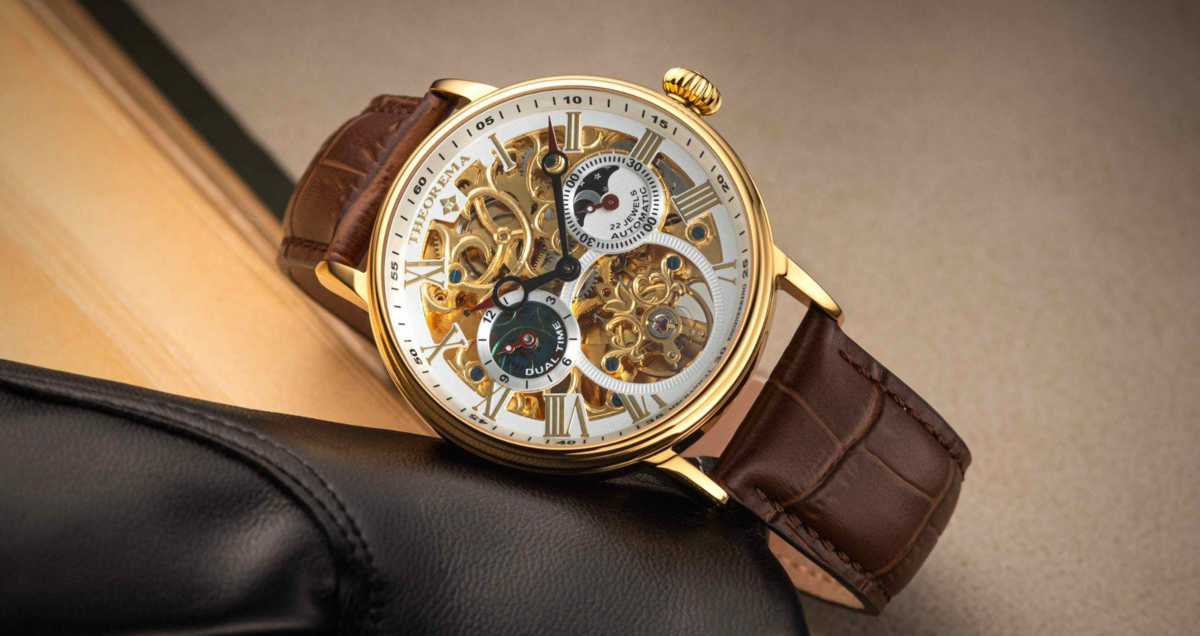
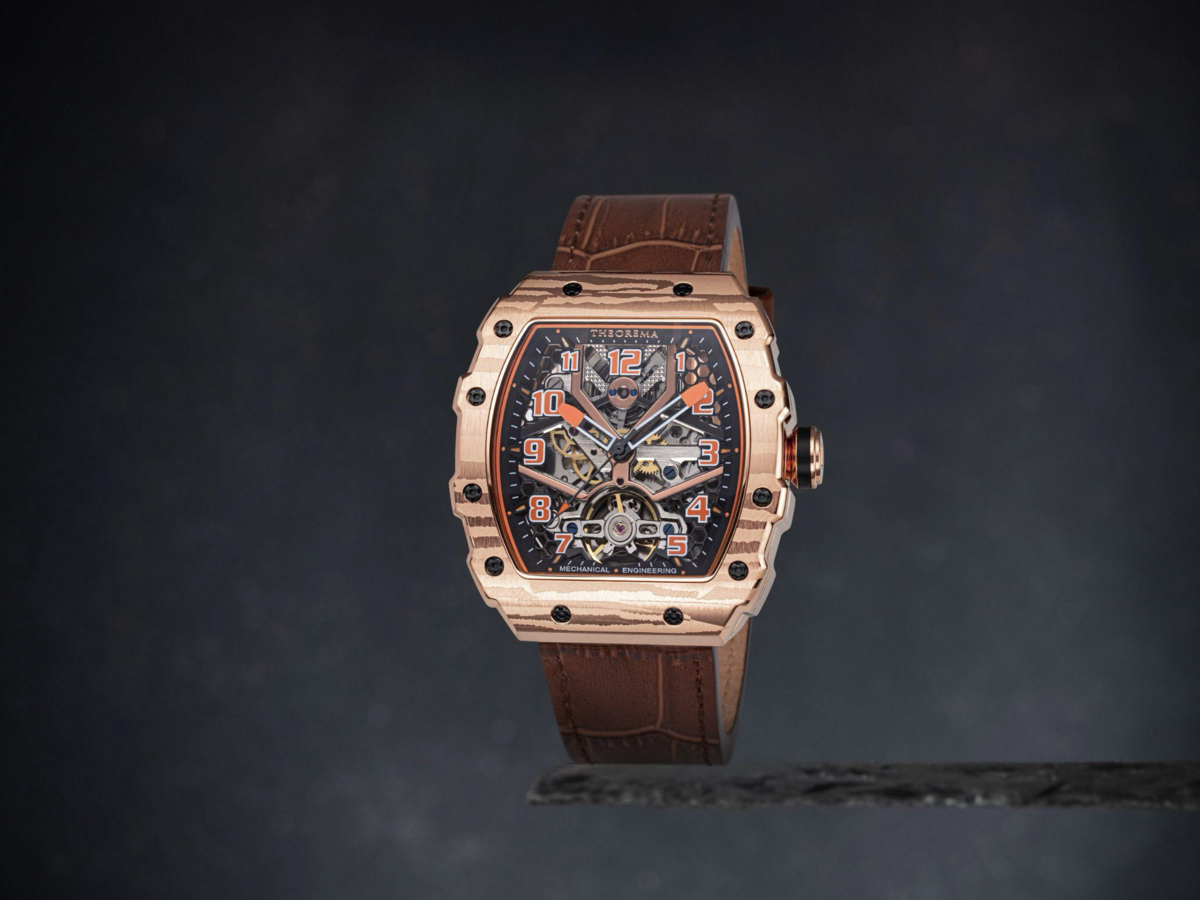
Some of their more advanced pieces even feature tourbillons, dual barrels, and GMT functions. For example, models like the St. Moritz Tourbillon offer a 72-hour power reserve and exposed mechanics that feel both technical and visually striking.
In terms of accuracy, expect minor daily variation—completely normal for mechanical watches and nothing that affects everyday wear.
Case Materials
The cases are made from 316L stainless steel, known for its durability and resistance to corrosion. The finish is clean and polished, giving a refined look without trying to compete with high-end luxury standards.
The Crystals
Sapphire crystal is used across the board, which is a major plus. It keeps the watch face resistant to scratches and maintains that fresh, clear look over time—something not all brands offer at this price.
Straps and Bracelets
From leather straps to metal bracelets, everything feels solid and well put together. It’s not overly flashy, but it’s reliable and thoughtfully executed.
Water Resistance
Most models come with 5 ATM water resistance, making them suitable for everyday life—think hand washing, rain, and the occasional splash—without stress.
The Design Options
Design is where Theorema really starts to stand out.
From skeleton dials that expose the inner workings to cleaner, minimal styles, there’s a clear focus on variety. You’ll also find different case shapes—tonneau, square, and classic round—so it doesn’t feel like a one-size-fits-all collection.
There’s a sense that the brand is experimenting a little, which makes the designs feel more individual rather than overly safe.
Setting Realistic Expectations
Of course, these aren’t luxury watches in the traditional sense. You won’t find chronometer-certified precision or ultra-rare craftsmanship here.
There may be small imperfections on close inspection, and the brand doesn’t carry the same recognition as heritage names. But for everyday wear, those details don’t really change the experience.
A Theorema watch will still look good, function reliably, and feel considered on the wrist.
The Hand Assembly Aspect
The hand-assembled approach is part of what defines the brand. Each watch is built and checked by an actual person, rather than moving through a fully automated process.
That also means production is more limited, which can affect availability—but it adds a sense of individuality that mass-produced watches often lack.
Making the Decision
So, are Theorema watches worth it in 2026?
If you’re looking for a well-designed mechanical watch that balances craftsmanship and accessibility, they make a strong case. You’re getting thoughtful materials, manual assembly, and a distinct design language—all without stepping into luxury pricing territory.
They might not be the choice if you’re chasing brand prestige or long-term resale value. But if your focus is on style, functionality, and a piece that feels a little more personal, Theorema is definitely one to consider.











 Connect with Facebook