





The Fabric You Weren’t Supposed To See Is Suddenly The Point
Nona Source was never meant to be flashy
Nona Source was never meant to be flashy. It was built on leftovers. Quiet, high-end leftovers sitting in luxury warehouses, untouched, expensive, and kind of invisible.
Now, five years in, it’s doing the opposite. Pulling those “sleeping” fabrics out and putting them directly in front of London’s next wave of designers. Not as scraps, but as opportunity. The platform, backed by LVMH, has been steadily connecting independent creatives with deadstock materials from major houses, giving them access to fabrics they’d usually never get near, at prices that don’t kill the idea before it starts.
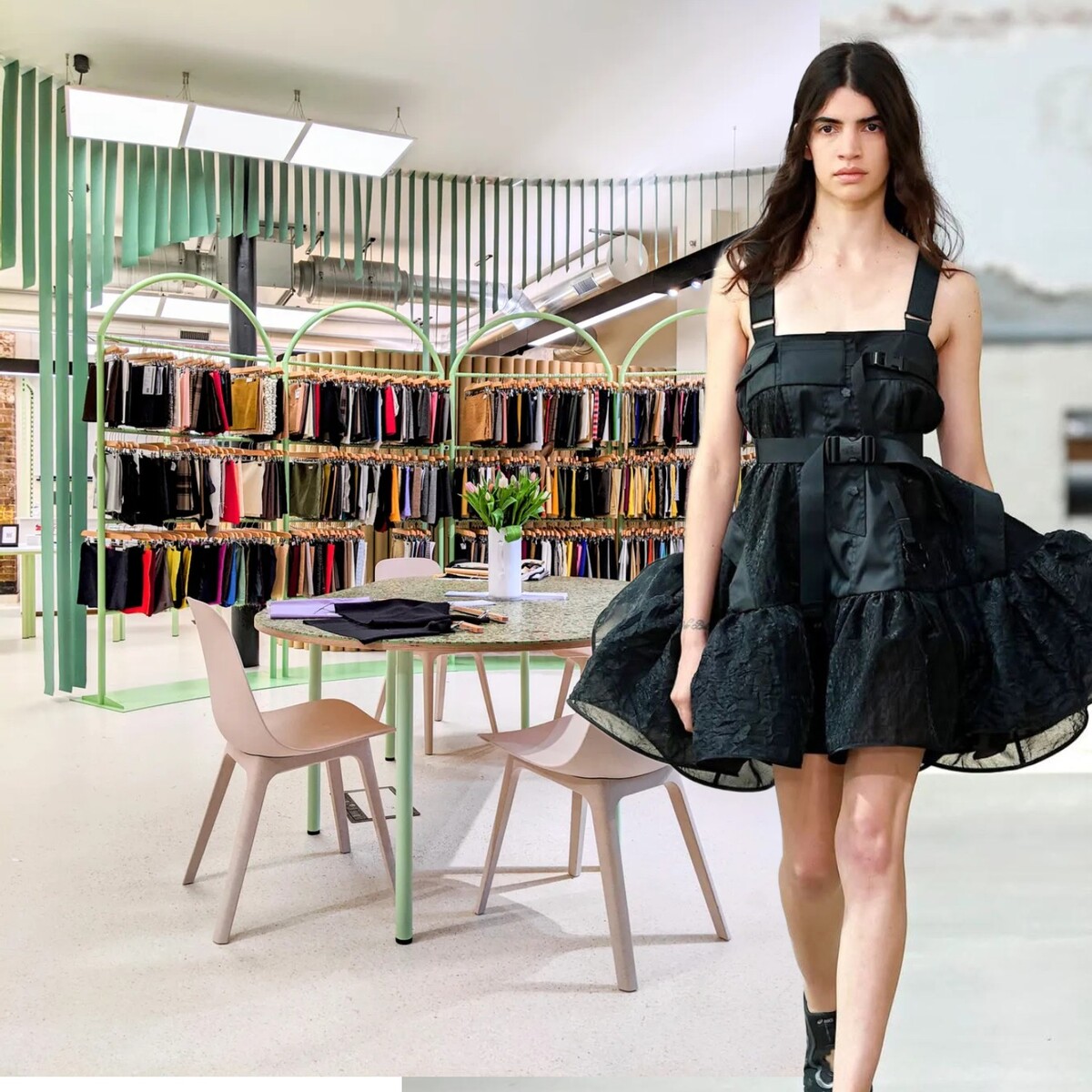
And that shift matters. Because it quietly rewires how fashion begins. Instead of starting from scratch, from production, from newness, it starts from what already exists.
London Feels Like the Right Kind of Chaos for This
The anniversary push toward London designers makes sense. It’s one of the few places where experimentation still feels natural, where young brands are used to building something out of whatever they can access.
Nona Source slots into that mindset almost too perfectly. It’s not just about sustainability, even though that’s the obvious headline. It’s about access. Giving smaller designers the kind of materials that usually belong to heritage houses, and letting them do something unpredictable with them.

There’s also something slightly subversive about it. Luxury, but redistributed. Fabrics that once sat in the orbit of exclusivity now reworked by people outside that system.
Waste, But Make It Valuable
Fashion has always had a waste problem. Massive, structural, built into how collections are made. Nona Source doesn’t fix that entirely, but it reframes it.
Deadstock stops being a failure and starts being a resource. A second life that doesn’t feel like a compromise, because the quality is still there. The same silks, the same wools, the same textures, just… waiting for a different story.
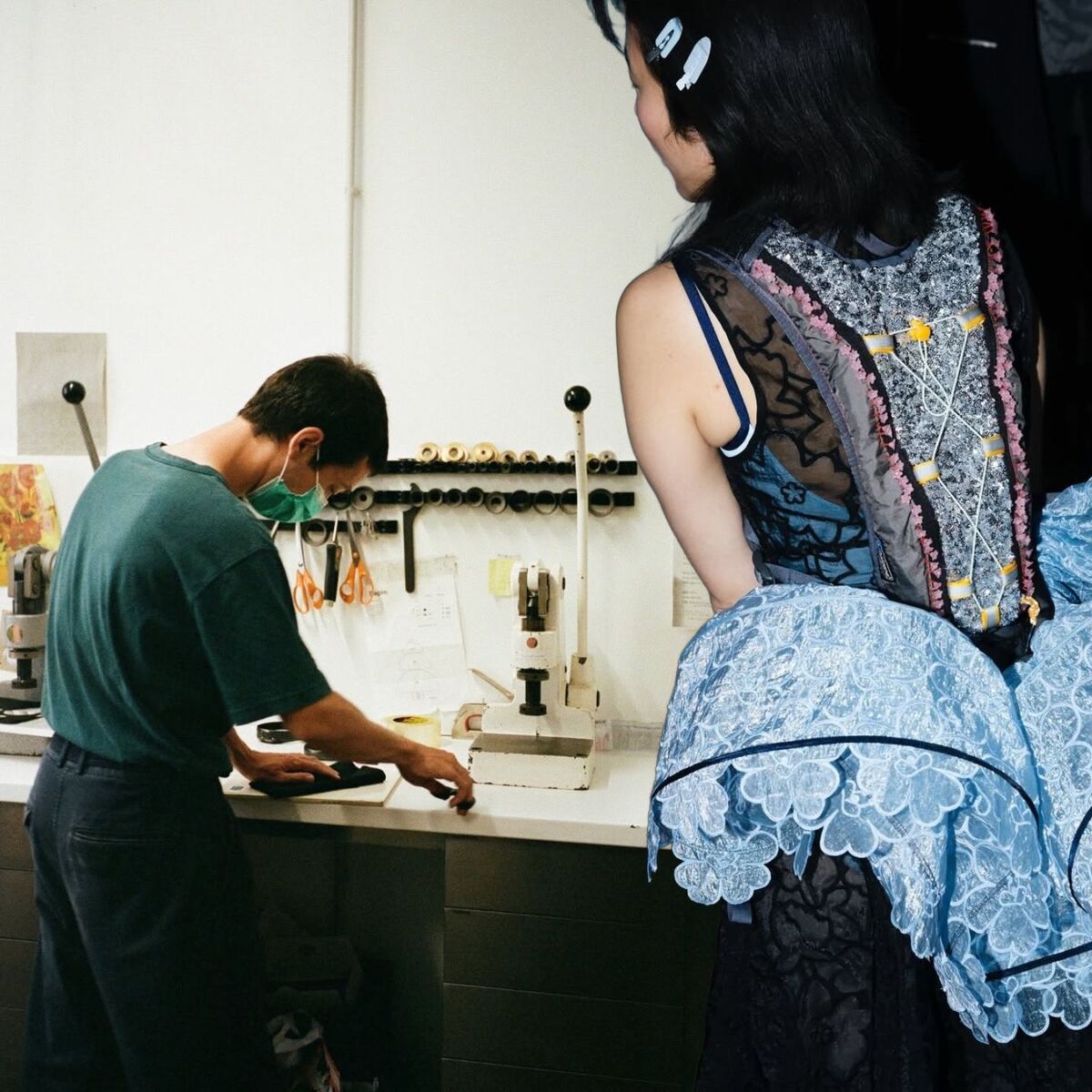
And maybe that’s why it’s lasted. Five years in, it doesn’t feel like a trend or a sustainability talking point. It feels like a system that actually works.
Not perfect. Just… smarter than before.











 Connect with Facebook