




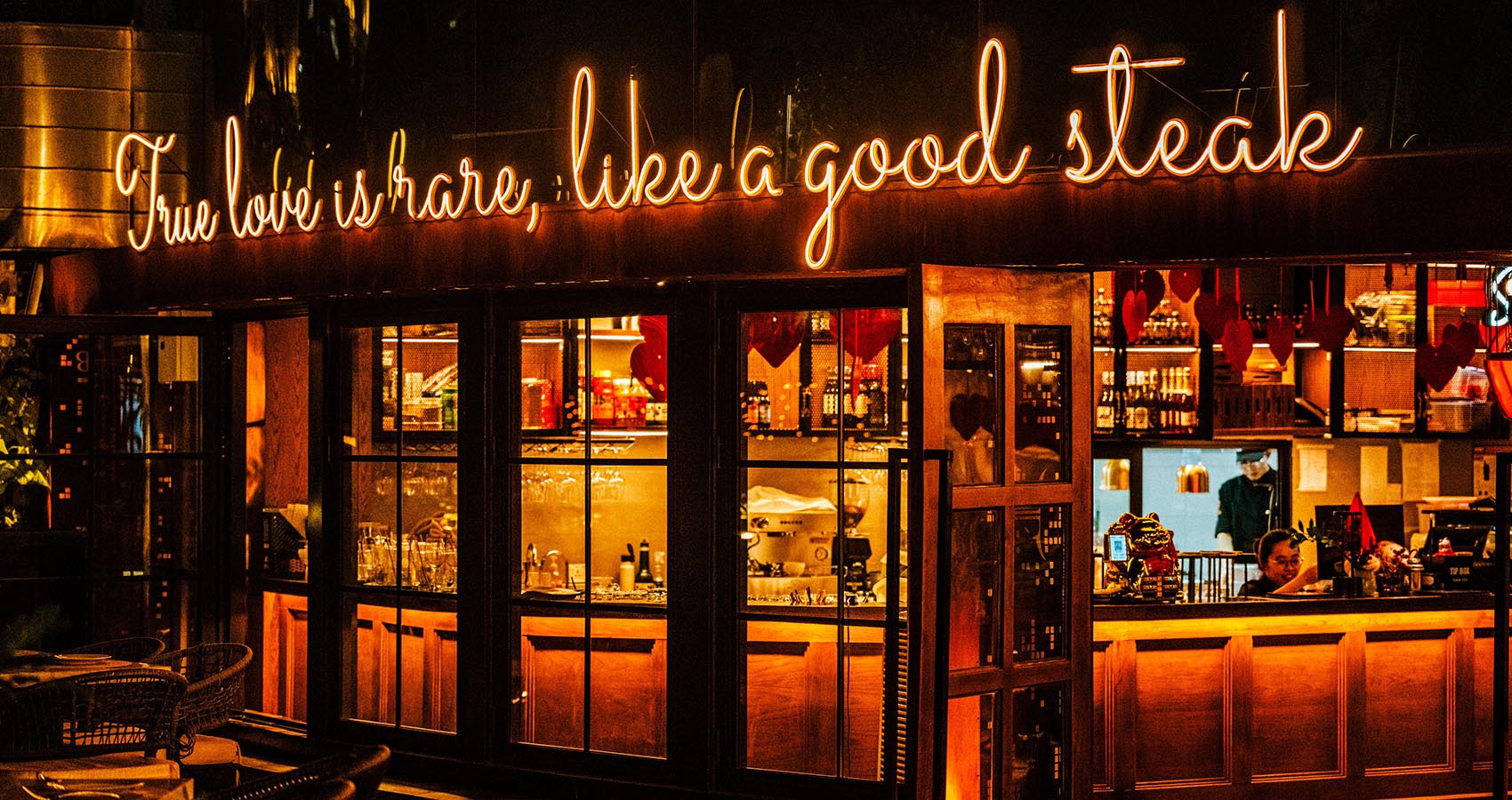
The Steakhouse Traditions That Never Go Out Of Style
Why classic steakhouse traditions continue to make dinner memorable.
Steakhouses remain enduring dining institutions because they pair disciplined cooking with genuine hospitality. Guests arrive for more than a cut of beef. They expect a measured meal, informed service, comfortable surroundings, and flavors that feel worth remembering. Families, colleagues, couples, and longtime regulars may visit for different reasons, yet the strongest restaurants satisfy each group through familiar customs. Certain practices continue to define the steakhouse experience, even as menus and dining habits change.
A Tradition Built Around Time
A proper steakhouse gives dinner room to unfold. Guests study the menu, consider preparation details, and settle into the occasion before placing an order. Rushed service weakens that rhythm. The best steakhouse in Salt Lake City attracts diners seeking an evening shaped by patience, polished surroundings, and carefully prepared food. The experience rewards attention, allowing each course, conversation, and recommendation to receive its proper place.
Prime Cuts, Simple Seasoning
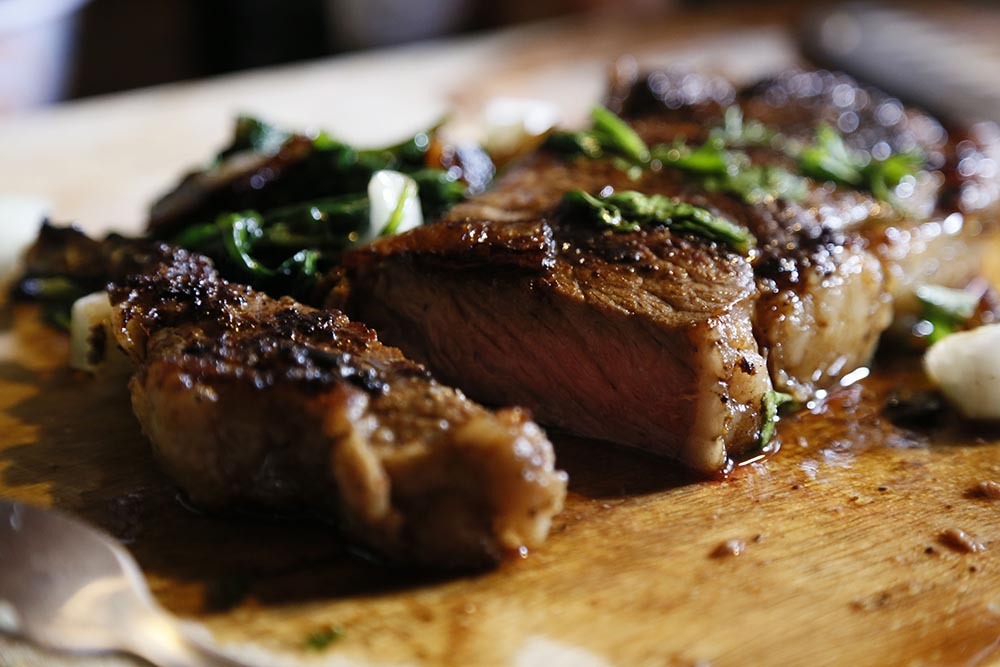
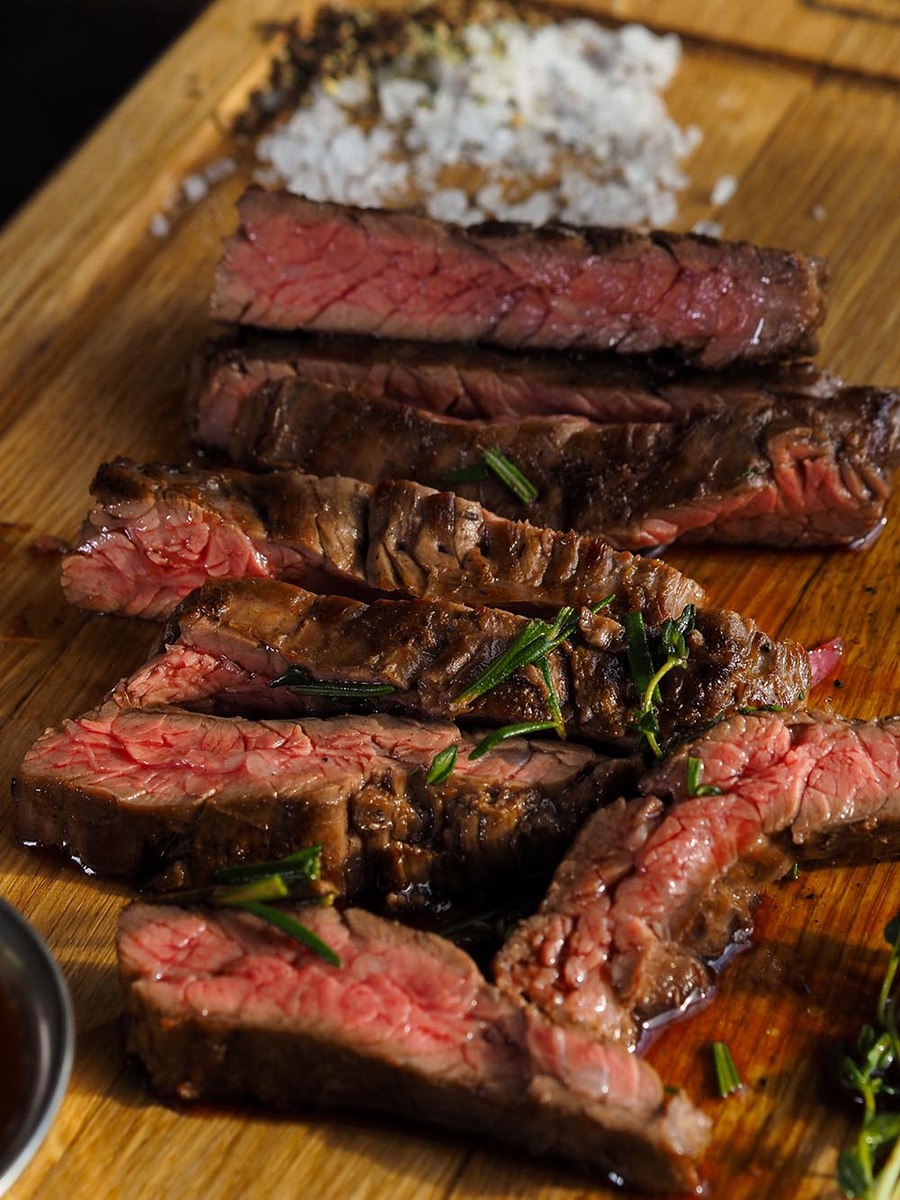
Exceptional beef does not require heavy treatment. Kosher salt, cracked pepper, controlled heat, and accurate timing can reveal the cut’s natural character. A successful sear produces a browned crust through the Maillard reaction, while gentle cooking protects tenderness within. Guests may prefer rare, medium rare, medium, or well done. Each request deserves technical care, because doneness affects moisture, texture, and flavor.
The Ritual of the Table
A steakhouse meal often follows a recognizable progression. Bread, beverages, starters, entrées, and dessert arrive with enough space for conversation. Servers explain preparations, confirm preferences, and monitor pacing without disrupting the table. Shared appetizers and side dishes invite participation, especially during group dinners. This sequence creates anticipation and gives the gathering shape, whether guests are marking an occasion or enjoying a quiet evening.
Aging Creates Character
Aging changes beef through controlled moisture loss and enzymatic activity. Dry aging intensifies flavor and softens muscle fibers, while wet aging preserves moisture inside vacuum-sealed packaging. The suitable method depends on the cut, fat content, and intended profile. Well-aged beef should offer a concentrated aroma, clean finish, and supple bite. Those qualities come from time, temperature control, and careful handling rather than excessive seasoning.
Sides That Hold Their Ground
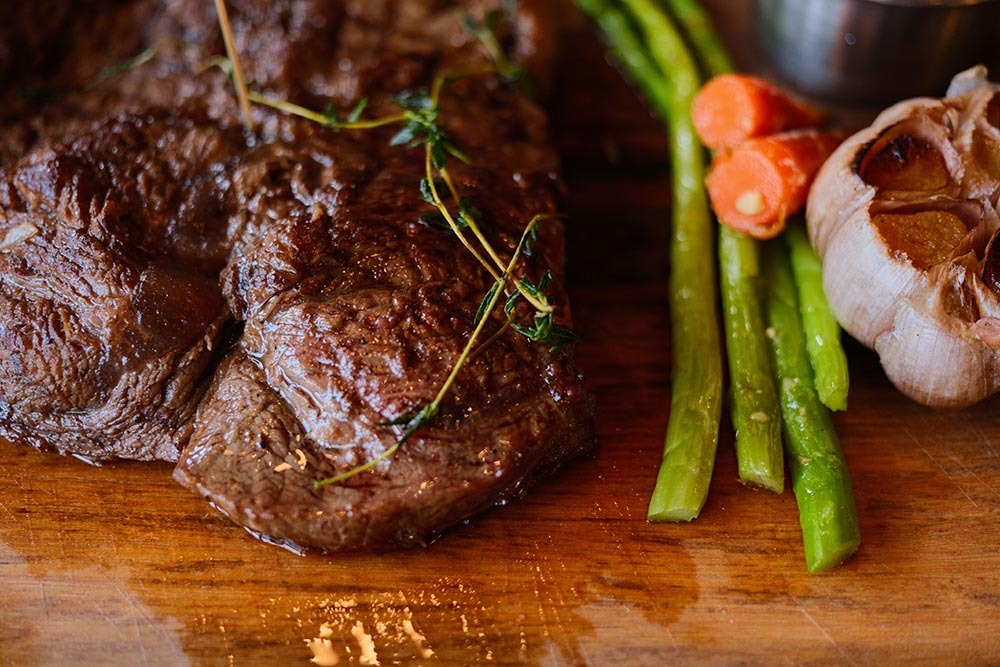
Supporting dishes should contribute contrast rather than compete with the entrée. Creamed spinach brings mineral notes and softness. Crisp potatoes add texture and salt. Roasted vegetables supply sweetness, color, and mild bitterness. Fresh salads can refresh the palate between richer bites. Sauces deserve similar restraint. Peppercorn reductions, herb butter, and jus should reinforce the beef’s flavor without concealing its crust or internal texture.
Service Sets the Tone
Strong service depends on observation. An experienced server recognizes when guests need water, another beverage, fresh utensils, or additional time. Detailed explanations help diners choose based on appetite, preparation, and dietary preference. Pressure has no place at a serious table. Remembering a requested temperature or coordinating courses around conversation may seem minor, yet such details shape comfort and reinforce trust throughout the meal.
Celebrations Need a Centerpiece
Steakhouses naturally suit birthdays, anniversaries, promotions, graduations, and family milestones. A substantial entrée gives the gathering a central focus without demanding elaborate decoration. Guests share plates, raise glasses, and create memories around a meal that feels generous. The setting may remain refined, but the atmosphere can still feel personal. A carefully prepared steak communicates care through quality, portion, and presentation.
The Appeal of Open Flame
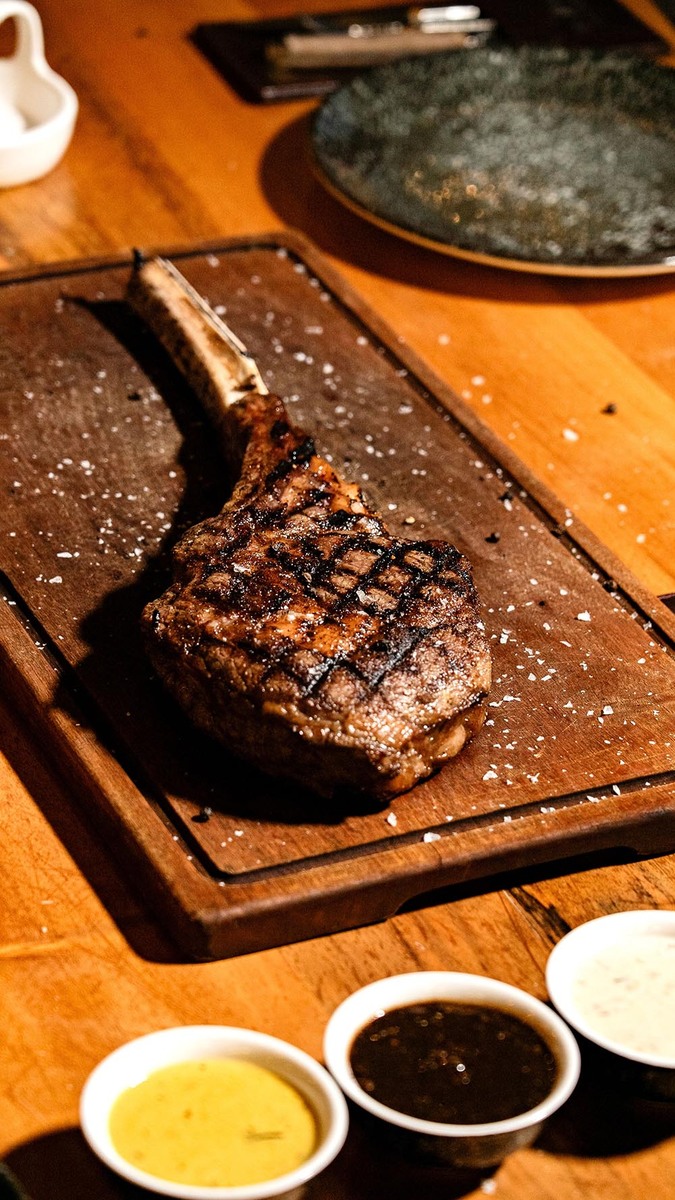
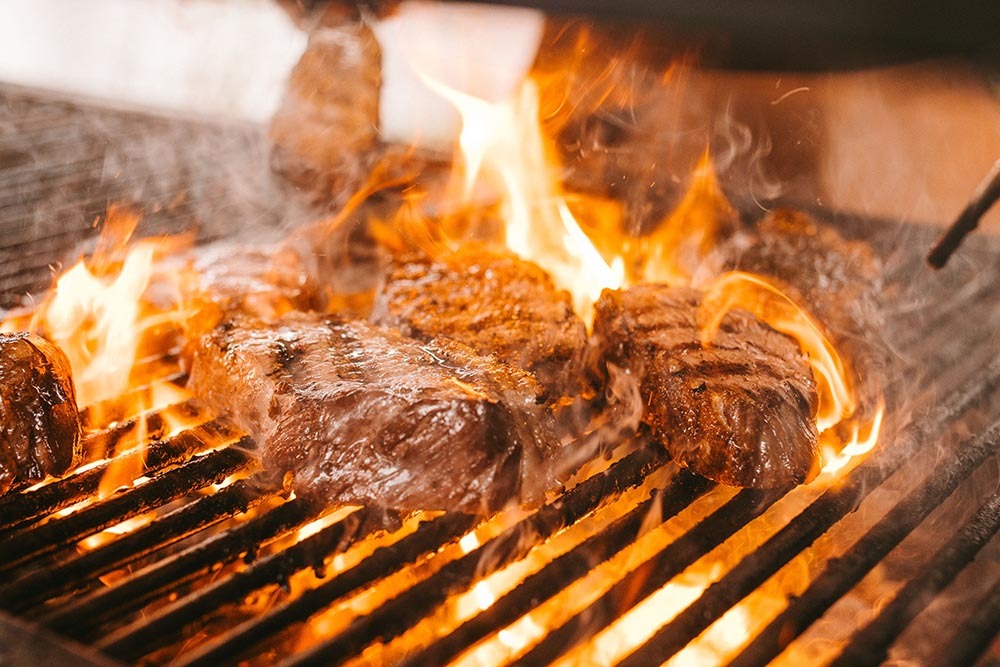
Direct heat creates characteristics that other cooking methods cannot fully reproduce. Grilling encourages surface browning, smoky aromas, rendered fat, and a firm crust. Guests can often identify those qualities before the first bite. Open-fire cooking also reflects a long culinary practice based on simplicity and control. Modern equipment may improve consistency, but the appeal remains tied to flame, iron, smoke, and properly timed contact.
Wine and Steak Find Balance
Wine service can sharpen a meal when the selection matches the preparation. Full-bodied reds often suit well-marbled beef, while lighter styles may work better with leaner cuts or delicate sauces. Tannin interacts with fat, helping clear the palate after each bite. A knowledgeable server considers seasoning, cooking method, sauce, and personal preference. Pairing guidance should expand a guest’s options, not impose a rigid formula.
Dining Rooms Built for Conversation
The dining room influences how comfortably people remain at the table. Proper spacing reduces noise, supportive seating limits fatigue, and moderate music protects conversation. Lighting also matters. Soft illumination creates warmth, while natural materials provide visual calm. These choices do not compete with the food. Instead, they support the social purpose of the meal, allowing guests to focus on discussion, celebration, and shared enjoyment.

Conclusion
Steakhouse traditions endure because they connect technical skill with human attention. Proper aging, accurate cooking, balanced accompaniments, thoughtful wine service, and observant hospitality still matter to modern diners. These practices succeed without relying on novelty. They create meals that feel substantial, comfortable, and memorable. Whenever people gather to celebrate, reconnect, conduct business, or enjoy well-prepared beef, the classic steakhouse remains a reliable setting for the occasion.










 Connect with Facebook