




Why Quiet Luxury Is Replacing Influencer Travel
Luxury travel is becoming quieter, slower, and more personal.
The travel flex has changed. Where holiday content once revolved around poolside spectacle and heavily documented itineraries, today's high-end getaways are moving in a more understated direction. The focus is more on creating trips that feel private and genuinely memorable. This speaks to a broader change in priorities where many travelers now value comfort, exclusivity, and thoughtful planning over visibility or conventional shows of status. Rather than organizing a holiday around social media moments, they are looking for stays that feel effortless from start to finish.
What It Actually Looks Like
Understated luxury is not simply expensive accommodation with neutral interiors. It is an approach built around thoughtful design, comfort, discretion, and convenience. Think boutique hotels, private villas, concierge services, wellness-focused stays, long breakfasts overlooking the sea, and transfers that feel effortless rather than stressful.
The appeal comes from how carefully everything has been considered. The most valuable indulgence is often the removal of unnecessary complications. Imagine fewer crowds, smoother arrivals, private guides, pre-booked activities, and tailored recommendations all contributing to a holiday that feels more enjoyable and less demanding.
Holiday preferences are shifting away from highly visible itineraries and toward trips that feel calmer, more considered, and designed around individual needs. That might mean concierge-planned itineraries, boutique wellness retreats, or using services like ACS to book a private jet around their own schedule instead of working around commercial flight timetables.
Why Flashy Influencer Vacations Feel Overdone
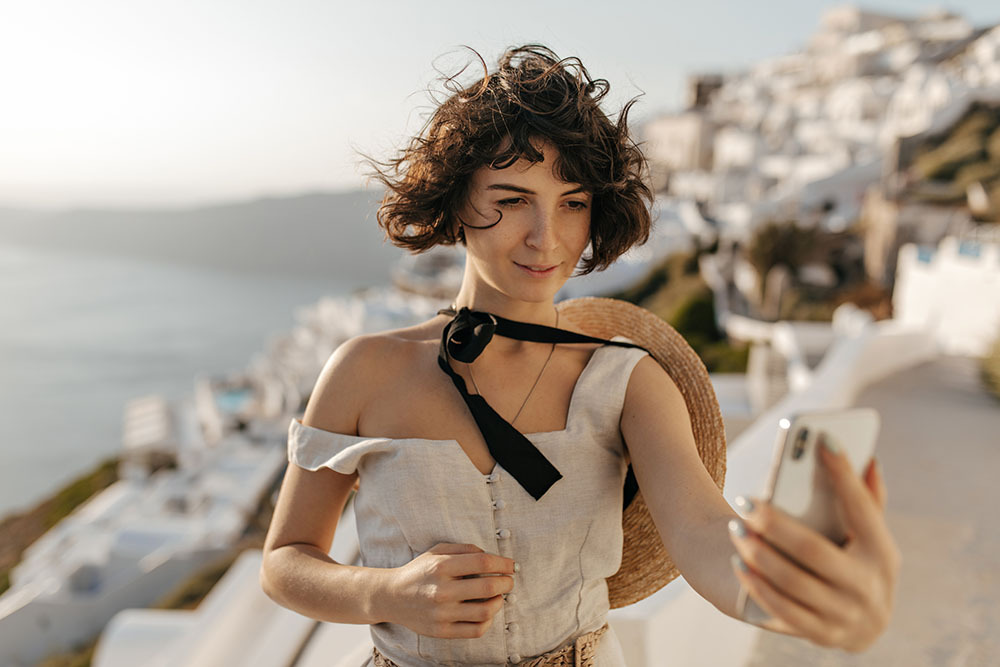
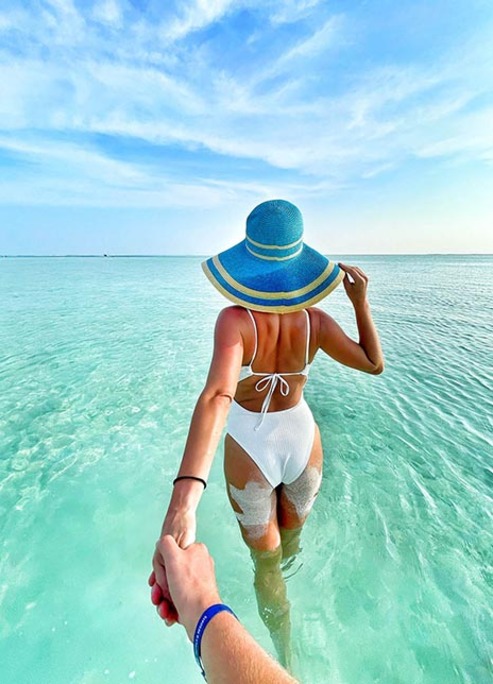
The classic influencer holiday formula still exists, but it no longer carries the same aspirational appeal it once did. Things that used to feel glamorous, like matching outfits, packed schedules, and branded photo opportunities, now feel merely exhausting.
Many people have become increasingly aware of how curated online holiday content can be. What once appeared effortless often looks like work behind the scenes. As a result, audiences are becoming more interested in authenticity than performance.
This change is also linked to wider conversations around burnout and digital fatigue. After years of being constantly connected, many people now view leisure as an opportunity to switch off rather than generate content.
How Social Media Changed Luxury Travel
Social media still plays a major role in shaping holiday decisions. Platforms such as Instagram and TikTok continue to influence where people go, what they book, and how they define a dream escape.
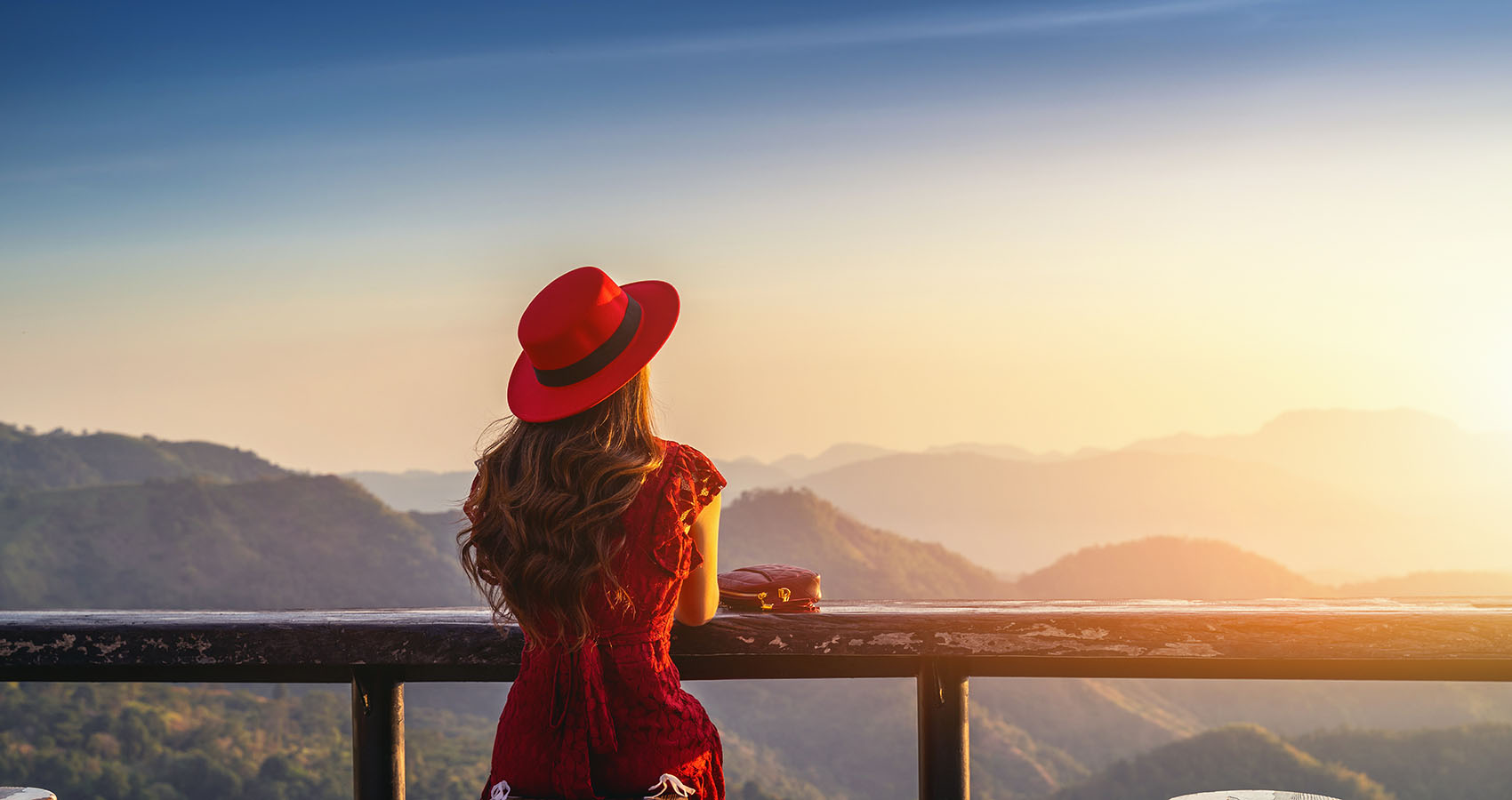
Today's sought-after holiday content often focuses on subtle details: a terrace overlooking the water, a scenic train journey through the countryside, a boutique hotel with exceptional design, or an intimate dinner in a memorable setting. These moments communicate exclusivity without relying on obvious displays of wealth.
The markers of true taste have become neutral colour palettes, thoughtful architecture, hidden beaches, and flexible schedules. Even when private aviation enters the picture, the emphasis is usually on convenience, discretion, and time rather than spectacle.
Why Slower Travel Experiences Are Growing in Popularity
This style of holiday appeals to travelers looking for less stress and more meaningful time away.
Wellness retreats, spa resorts, countryside estates, private villas, and scenic rail journeys encourage people to spend more time in one place rather than rushing through an overfilled schedule.
There is also a strong connection between this trend and the rise of slow travel. Both prioritize quality over quantity. Instead of trying to see everything, travelers are choosing to engage more deeply with a destination.
Many are also rethinking how they reach their destination. Private aviation has developed into an experience that caters for flexibility over spectacle, allowing passengers to maximize their time and avoid many of the frustrations associated with busy commercial airports.
The Relationship Between Taste, Status, and Understated Luxury
This more discreet approach may reject obvious logos and overt displays of wealth, but it still functions as a form of status.
Choosing a hidden coastal retreat instead of a crowded hotspot, staying in a design-led boutique hotel, or prioritizing seclusion over visibility all communicate a particular set of preferences. Taste has always carried social value, and this trend simply expresses that value differently.
Why Experience Matters More Than Visibility
What ultimately separates this movement from earlier forms of high-end tourism is its emphasis on enjoyment over performance.
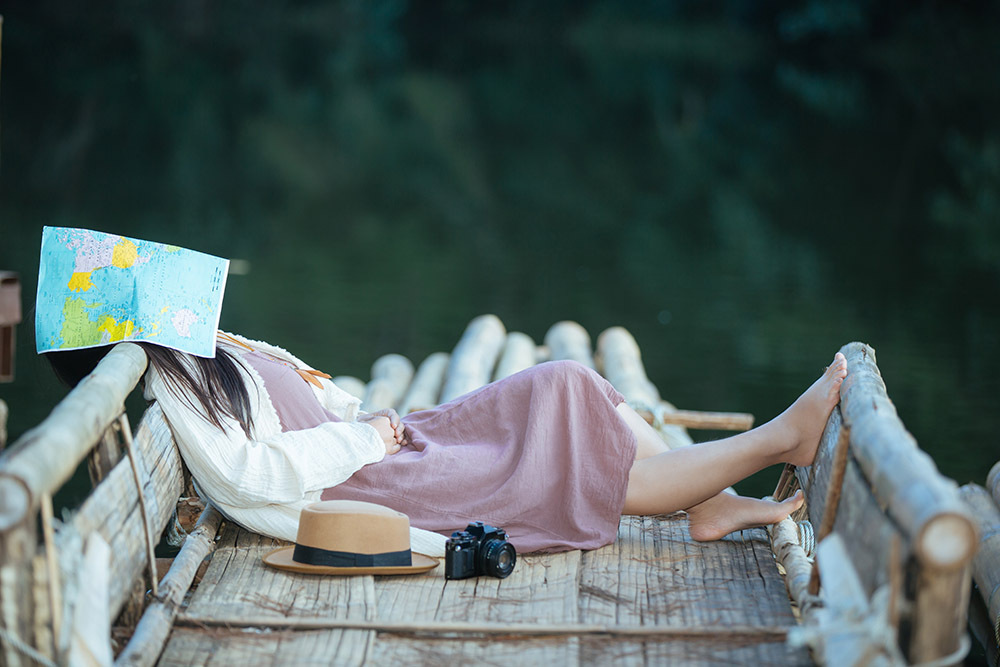
The modern traveler is less interested in collecting proof of a great trip and more interested in enjoying it.
Flashy holidays have not disappeared, but they no longer define aspiration in the same way
Upscale holidays still exist online, but increasingly they are defined by how effortless they feel rather than how loudly they announce themselves.
The Future of Quiet Luxury Travel
This trend reflects changing attitudes towards leisure and status. For those who have grown tired of overexposed holiday culture, the new aspiration is simple: a beautiful destination, a slower pace, thoughtful service, and enough space to enjoy the trip on their own terms. The future of luxury travel is not about being seen everywhere. It is about choosing holidays that feel genuinely worthwhile once you arrive.








 Connect with Facebook