




From Scenic Views To Local Experiences: The Value Of Rural Hotels
Why countryside stays are worth slowing down for.
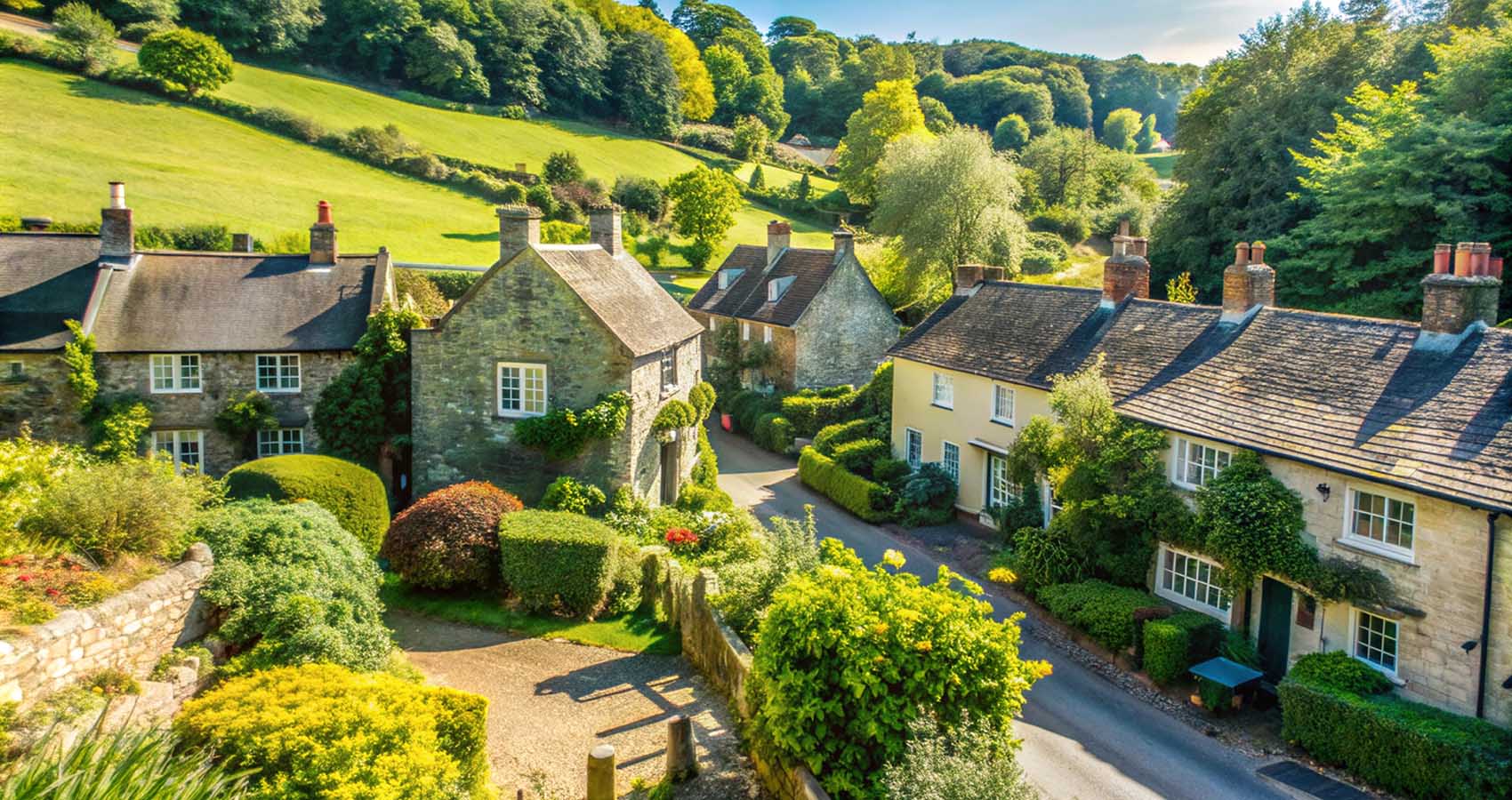
A hotel in the countryside provides instant access to the landscape, peace, and a pace of life that differs from that of the city, all of which are impossible to find in urban accommodations. A view of the city from a hotel window does not reset the day in the same way as stepping outside an isolated property first thing in the morning onto open fields, woodland, or coastal beauty. It's easy to find rural lodging that connects you to the local culture and landscape rather than just offering a bed in the area, thanks to websites like My Hotel Break, which list rural properties throughout the United Kingdom.
What Rural Hotels Do Differently
Instead of functioning as a standalone hotel that could be found anywhere, the best rural hotels serve as a gateway to the surrounding environment. No guidebook can match the level of local knowledge provided by staff who are familiar with the neighbourhood trails, the farms that supply the kitchen, the villages worth visiting, and the seasonal events that give the area its character.
This sense of location is what distinguishes a truly rural hotel from one that happens to be located outside a metropolis. While the latter only shifts the typical hotel experience into a different postcode, the former deepens your sense of where you are.
The Relationship Between Countryside Hotels and Local Food
Ingredients that urban restaurants source from afar are accessible to rural properties with a serious kitchen. Vegetables produced in the kitchen garden or provided by a farm two fields away, game from other estates, and fish landed at a nearby harbour all contribute to a dining experience rooted in the unique geography of the area that is hard to duplicate elsewhere.
It takes more than just good cuisine to eat well at a rural hotel. It's about the relationship between what's on the plate that evening and the scenery you've been walking through. A meal becomes truly unforgettable because of that connection, something technical proficiency cannot accomplish on its own.
Walking, Cycling, and Landscape Engagement
The experience of engaging in outdoor activities is altered when they are accessible from the hotel entrance as opposed to a distant parking lot. Rather than considering mobility as a distinct logistical event, a morning stroll that starts and ends at the property incorporates movement into the rhythm of the stay. One of the useful benefits of rural accommodation that visitors frequently list as one of their favorite parts of their stay is this integration.
Well-kept gardens, pedestrian networks, and useful outdoor amenities like boot rooms, drying facilities, and safe bike storage indicate that the hotel knows what its visitors are there for and has set itself up appropriately.
Local Culture Beyond the Landscape
The rural experience is more than just landscapes and outdoor pursuits. Cultural content that enhances a getaway beyond what the countryside itself offers can be found in market towns with independent stores and weekly markets, ancient estates and gardens, operational farms that welcome tourists, and the schedule of seasonal events that organise rural life.
A hotel that curates awareness of these local opportunities, whether through partnerships with local producers and attractions, recommendations from staff who actually use the area, or a well-thought-out information resource, adds genuine value to a stay that a property that focuses only on its own amenities cannot match.
The Seasonal Dimension
In contrast to most urban establishments, rural hotels encourage return business throughout the year. The same environment appears completely different in late fall compared to mid-summer; the light, foliage, and accessible activities all change, and the slower times in between seasonal peaks provide a version of the countryside that frequent visitors usually prefer to the busiest times.
Selecting a remote property to return at a different time of year creates a relationship with a location that develops significance over time, which is a distinct and possibly deeper type of travel than the never-ending search for new locations.
The Case for Slowing Down
Rural hotels are most rewarding when approached at the pace the countryside itself suggests. An itinerary that attempts to cover significant distances each day, visit multiple attractions, and return a different route misses the quality available in simply being somewhere beautiful without pressure to move on. The value of a countryside break is most fully realised when the hotel and its surroundings are treated as the destination rather than a base for covering ground.











 Connect with Facebook