




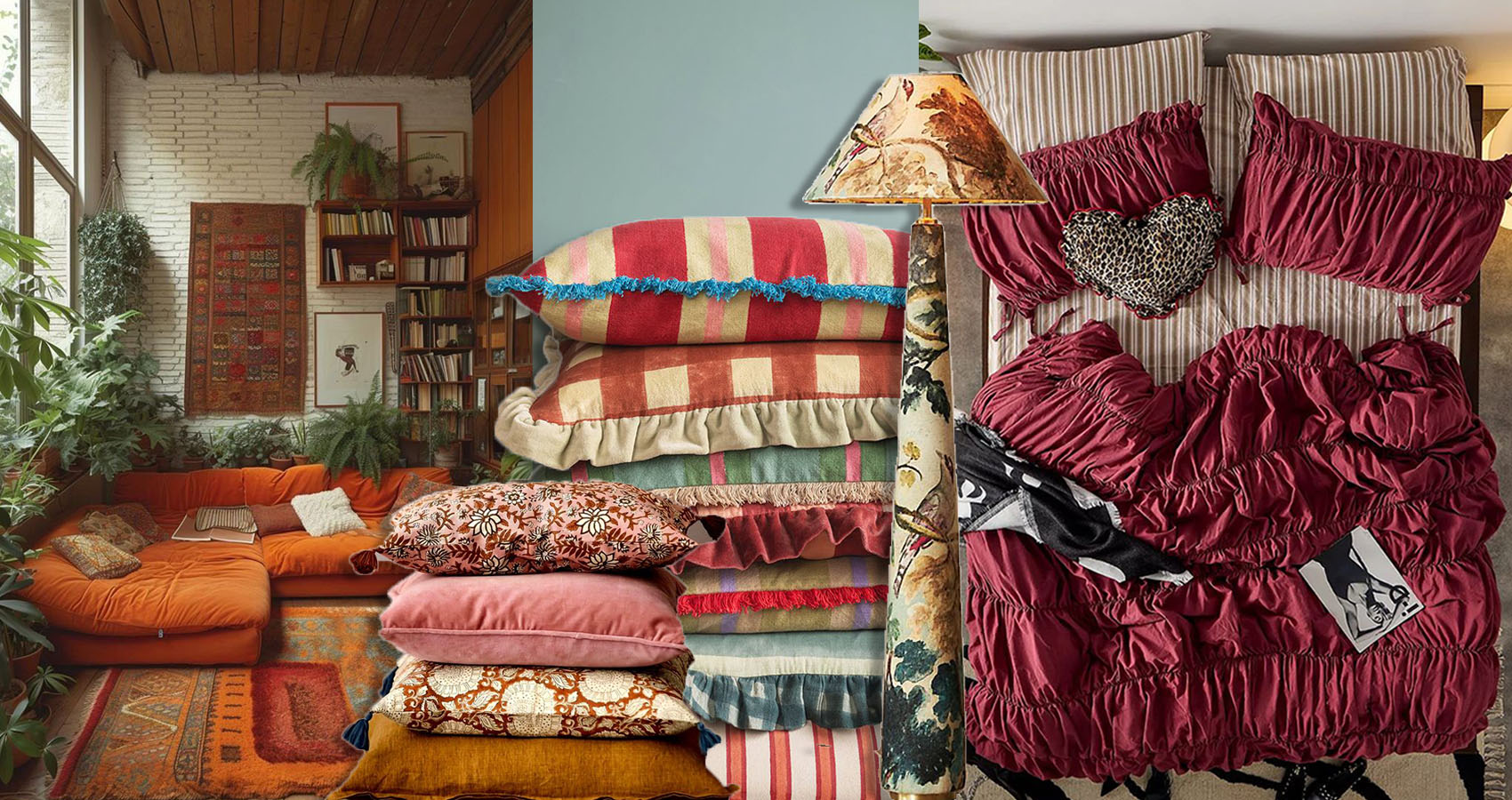
Modern Living Choices: How Adults Personalise Comfort and Home Experiences
Design a home that fits your life, not trends.
We're done pretending our homes need to look a certain way. That expensive couch nobody sits on because it's uncomfortable? Gone. The corner that's set up exactly how someone needs it? That's what's staying. Look, I get it. For ages, we thought "adulting" meant having matching furniture and a proper dining set, even if you only eat there twice a year. But something's changed. Maybe it was lockdowns forcing us to really live in our spaces. Maybe it's just getting older and realising life's too short for uncomfortable furniture. Either way, personalisation isn't a trend anymore; it's just how we're doing things now.
The Shift Towards Intentional Home Design
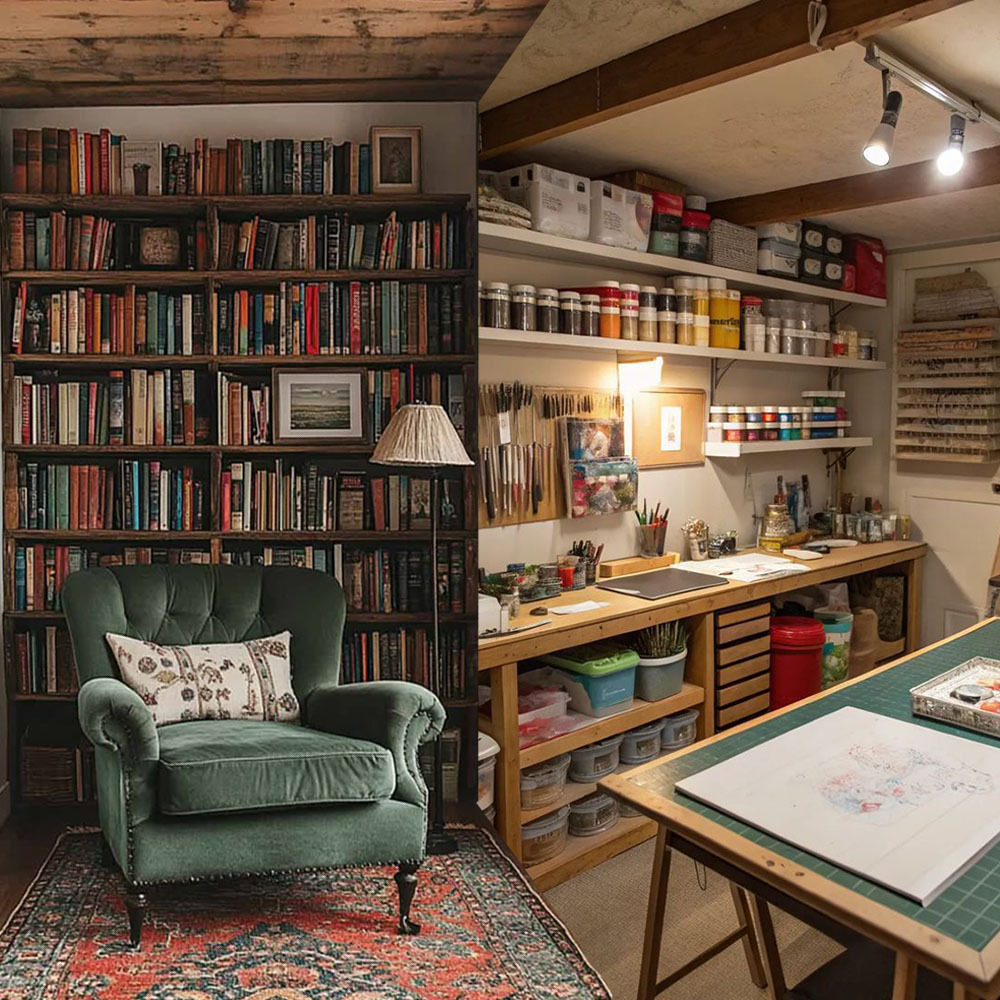
Walk into ten different homes and you'll see ten completely different setups now. And I'm not just talking about different colour schemes. People are genuinely rethinking what rooms are even for. That formal lounge that nobody uses? Some folks have turned it into a library. Others made it a music room. One person I know converted theirs into a massive craft space with pegboards covering an entire wall.
What's driving this? Honestly, it's just people being real about how they live. You don't need a guest bedroom if nobody ever stays over. You might need that space for something else, though. The money's going to different places, too. Less on "statement pieces" that look good but don't do much. More on things that get used every single day. It's not revolutionary; it's just honest. When you stop designing for imaginary dinner parties and start designing for actual Tuesday nights, your home starts looking different. And usually better. Because it fits. A friend sold her dining table last year (used it maybe four times in three years) and put in a reading nook with a second-hand armchair instead. The best decision she says she's made for her mental health. That's the vibe.
Wellness and Self-Care at Home
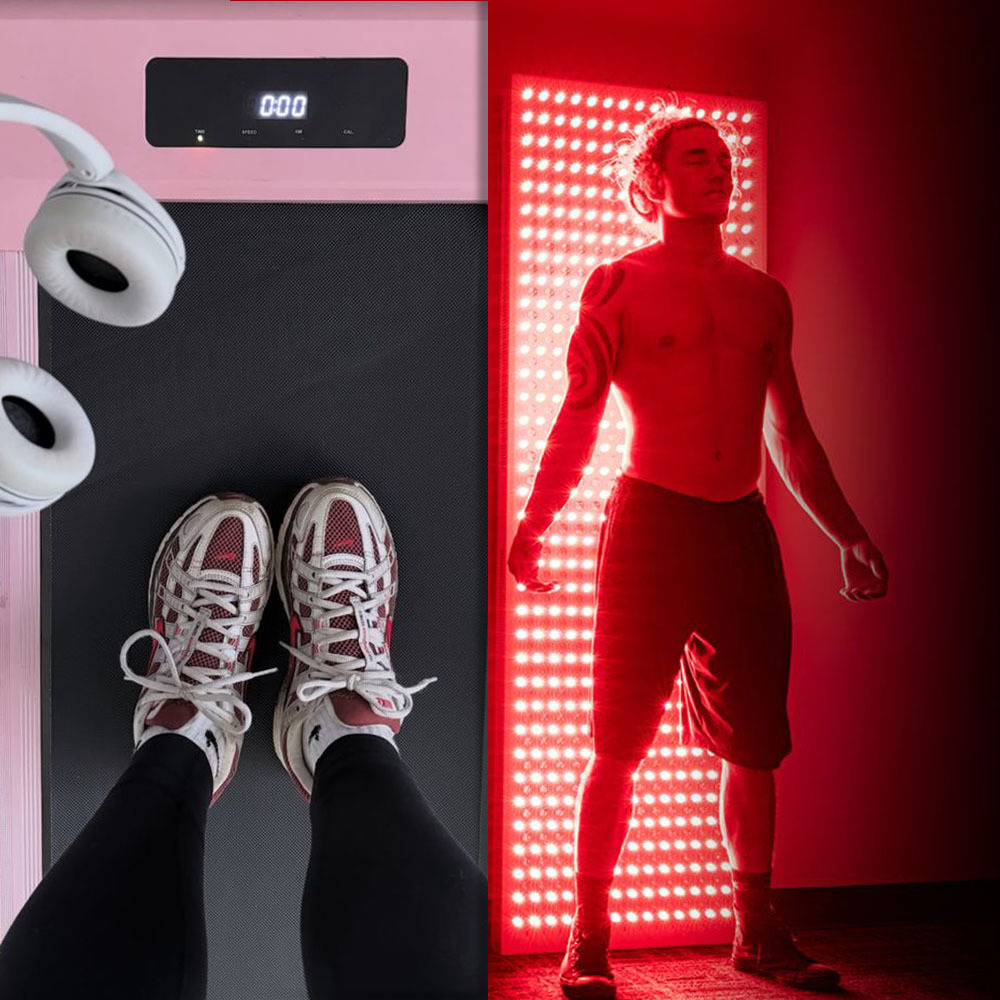
The whole wellness thing has gotten way more comprehensive. It's moved past bath bombs and face masks into an actual lifestyle setup. People are carving out spaces specifically for their wellbeing, and they're thinking about it more broadly than just physical health.
Home gyms that aren't just dusty treadmills collecting clothes. Meditation corners in weird spots like walk-in wardrobes. And yeah, people are finally getting comfortable talking about intimate wellness as part of the bigger picture. Things like a sex machine aren't being hidden away in embarrassment anymore. They're being treated the same way someone might treat an expensive massage chair or a fancy skincare fridge. If it contributes to your overall wellbeing and quality of life, why shouldn't it be part of the conversation?
This holistic view is interesting because it's removing the weird shame around certain types of self-care. Physical health, mental health, and intimate health – they're all connected. The same logic that makes someone invest in a standing desk or an air purifier applies across the board. Does it make your life better? Does it serve a real purpose? Then it's worth considering. Simple as that. Nobody's raising eyebrows at home saunas or red light therapy devices anymore. The category of "wellness investments" just keeps expanding, and people are making choices based on their actual needs rather than what seems acceptable.
Technology That Actually Enhances Comfort
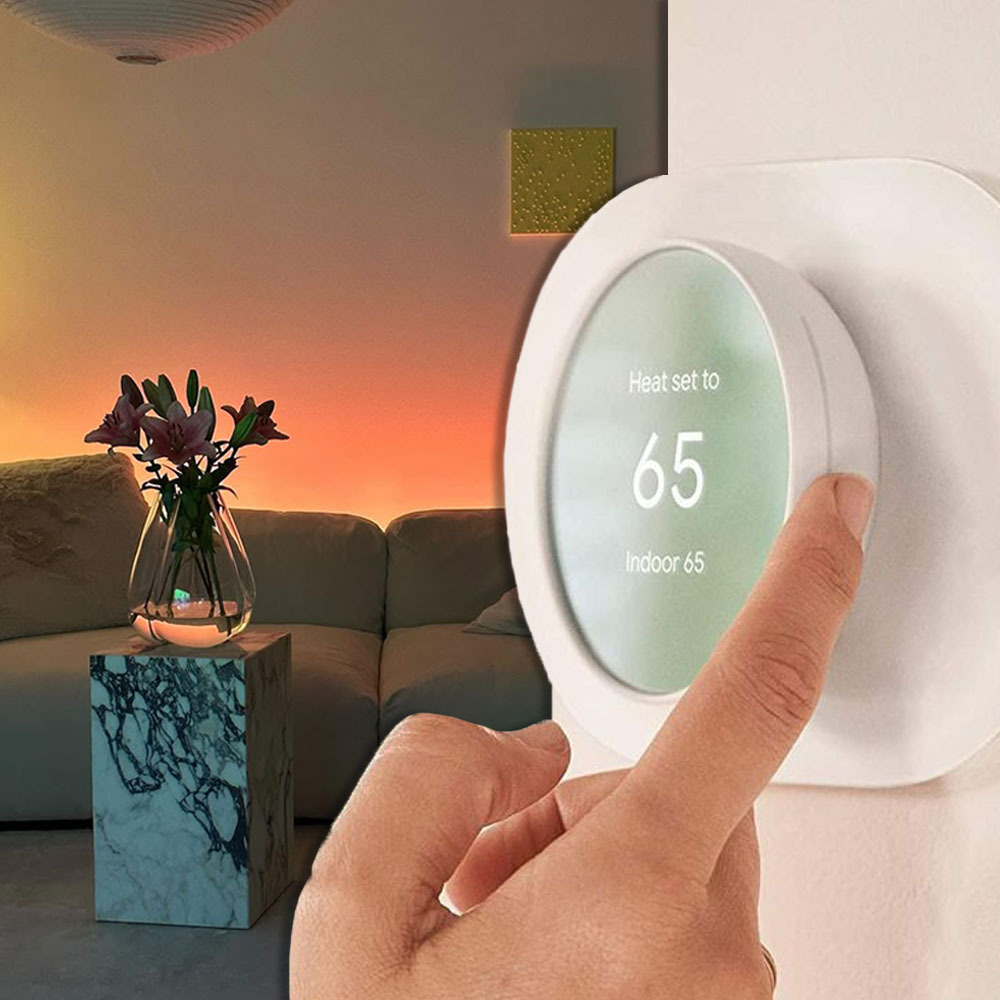
Smart home stuff has finally crossed over from "expensive party trick" to "actually useful". And I'm not talking about fridges that can tweet or mirrors that show you the weather. That's still silly. The stuff that's working is invisible. It just makes things easier without you thinking about it.
Here's what's actually making a difference:
- Lights that adjust themselves based on time of day (no more blasting yourself with brightness at 2am)
- Thermostats that figure out your schedule so you're not heating an empty house
- Coffee makers on timers so they're ready when you wake up
- Robot vacuums that run while you're out
Nothing flashy. But these tiny conveniences add up fast. I remember staying at someone's place where the lights gradually dimmed as it got later. Didn't even notice at first, but it genuinely helped with sleep. That's the sweet spot: tech that improves things without requiring you to think about it or fiddle with apps constantly.
The key is simplicity. If something needs a manual thicker than a novel or requires constant troubleshooting, it's not actually adding comfort. It's adding stress. The best tech disappears into the background. You forget it's even there until it's not working, then you remember why you got it in the first place.
Sensory Experiences and Atmosphere
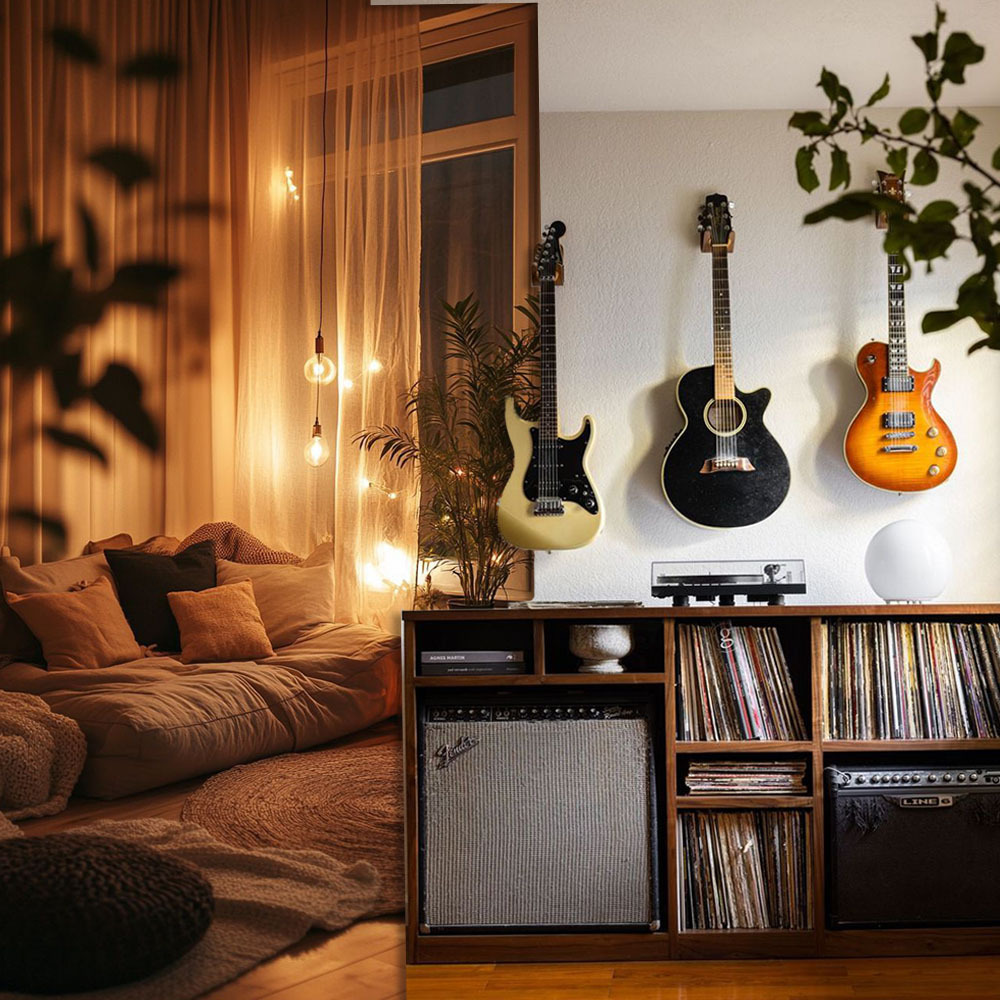
Getting your environment right is surprisingly powerful. And by "right" I mean right for you specifically, because everyone's different. Some people need complete darkness to sleep. Others like a bit of ambient light. Neither is wrong.
Lighting makes a massive difference. Too bright, and everything feels harsh. Too dim and you're squinting at your phone trying to read. Finding that middle ground takes experimentation. I went through about six different bulb types before landing on ones that felt comfortable. Worth it, though.
Sound matters too. Silence drives some people nuts. They need background noise, whether it's music, TV, or just a fan running. Other people are the opposite; any noise is disruptive. White noise machines are brilliant for those situations. They're not just for babies.
Then there's texture and temperature. The weight of your blanket, how your floors feel underfoot, whether your furniture is soft or firm. These seem like tiny details, but they affect your comfort level constantly. Someone once told me they couldn't relax in their living room and couldn't figure out why. Turns out the couch fabric was slightly scratchy. Threw some different cushions on it; problem solved. Sometimes it's that simple.
Scent is the sneaky one. You stop noticing smells in your own space pretty quickly. But they're affecting you. Certain cleaning products trigger headaches for some people. Some candles are calming; others are cloying. Figuring out what works takes paying attention to how you actually feel in different spaces.
Flexible Spaces for Modern Lifestyles
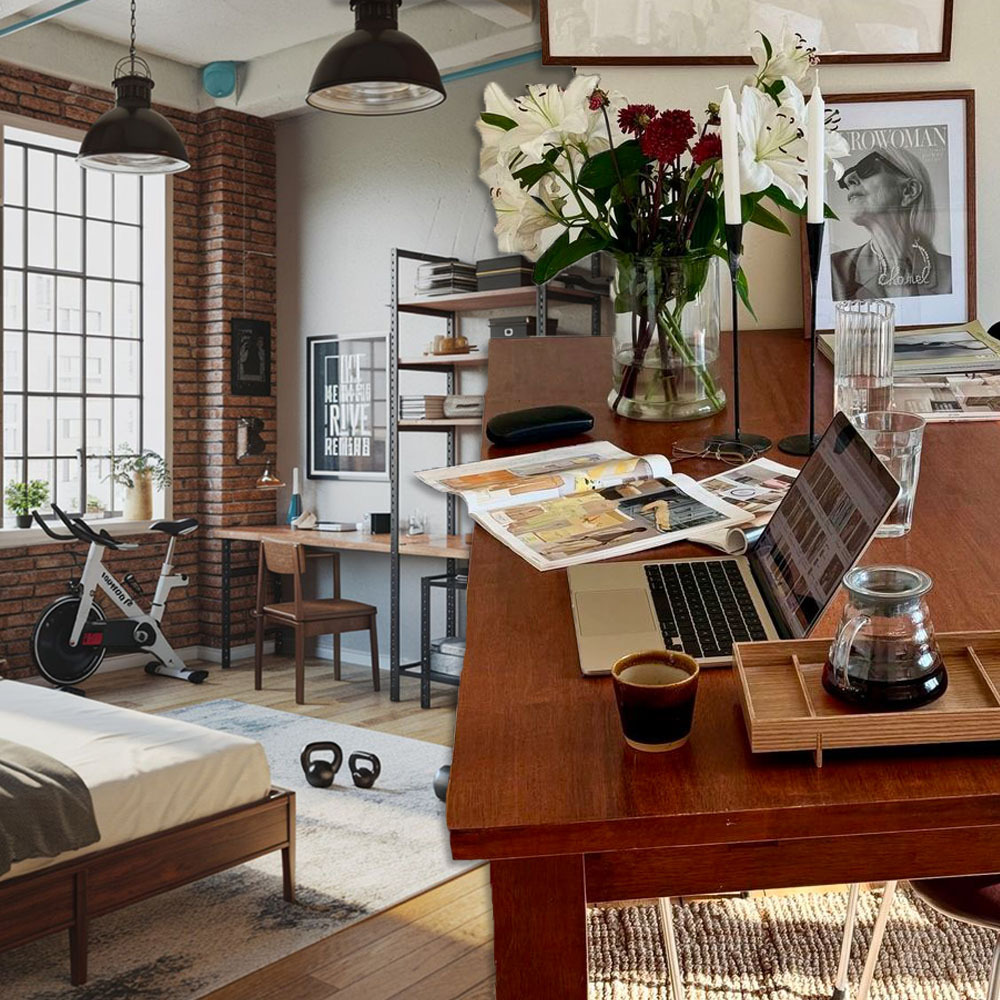
Single-purpose rooms feel outdated now. Life's too variable. The dining table that's a desk during work hours and a jigsaw puzzle station at night. The spare room that's part home gym, part storage, and part occasional guest room. We need spaces that can shift with us.
Making this work means choosing furniture differently. Fixed, heavy pieces don't cut it anymore. Folding things, stackable things, things on wheels that can be moved around. My sister has a Murphy bed in her home office. During the day it's completely hidden and looks like a normal office. When someone stays over, the bed comes down, and suddenly it's a bedroom. No compromise on either function.
The pandemic really accelerated this because everyone suddenly needed their homes to be offices, gyms, schools, and everything all at once. Even though things have settled down a bit, that flexibility stuck. People realised they don't need dedicated rooms for everything if they can make one space serve multiple purposes well.
The trick is storage. Lots of hidden storage. If you can't quickly clear and reset a space, it doesn't really work as a flexible room. It just becomes cluttered and frustrating. But when you can pack away work stuff in five minutes and have a proper living room back? That's when flexible spaces actually improve your life instead of feeling like a compromise.
Investing in Quality Over Quantity
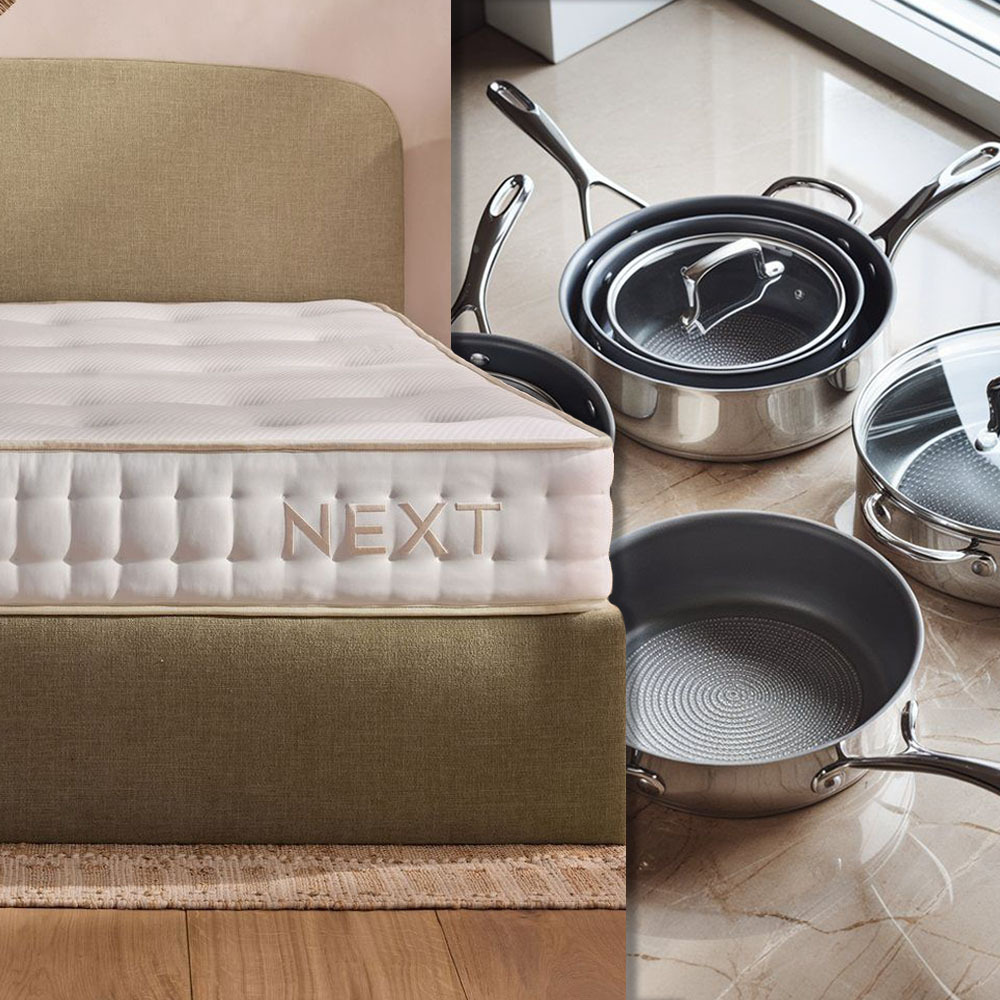
Cheap furniture is having its moment of reckoning. More people are saving up for one good piece instead of buying three mediocre ones right away. And it makes sense when you think about it. That particleboard bookshelf might be $50, but it'll fall apart in two years. The solid wood one costs $300 but lasts twenty years. Do the maths.
This applies to everything, really. Mattresses especially. You spend a third of your life on the thing; skimping on it seems ridiculous when you actually think about it. The same with office chairs if you work from home. A proper ergonomic chair costs more upfront but saves you physio bills down the track.
Kitchen stuff too. A decent knife set costs more than cheap ones, but you're not replacing them every year. Pots and pans that actually heat evenly and don't have the coating peel off after six months. Appliances that can be repaired instead of thrown out when something breaks.
The mindset shift is from "What can I afford right now?" to "What's this going to cost me over time?" Sometimes it means waiting and saving instead of buying what's available immediately. That takes patience. But walking into a home filled with things that actually work properly, that don't constantly need replacing or fixing, there's something really satisfying about that. Less stress, less waste, and usually less money spent in the long run.
Personal Collections and Meaningful Decor
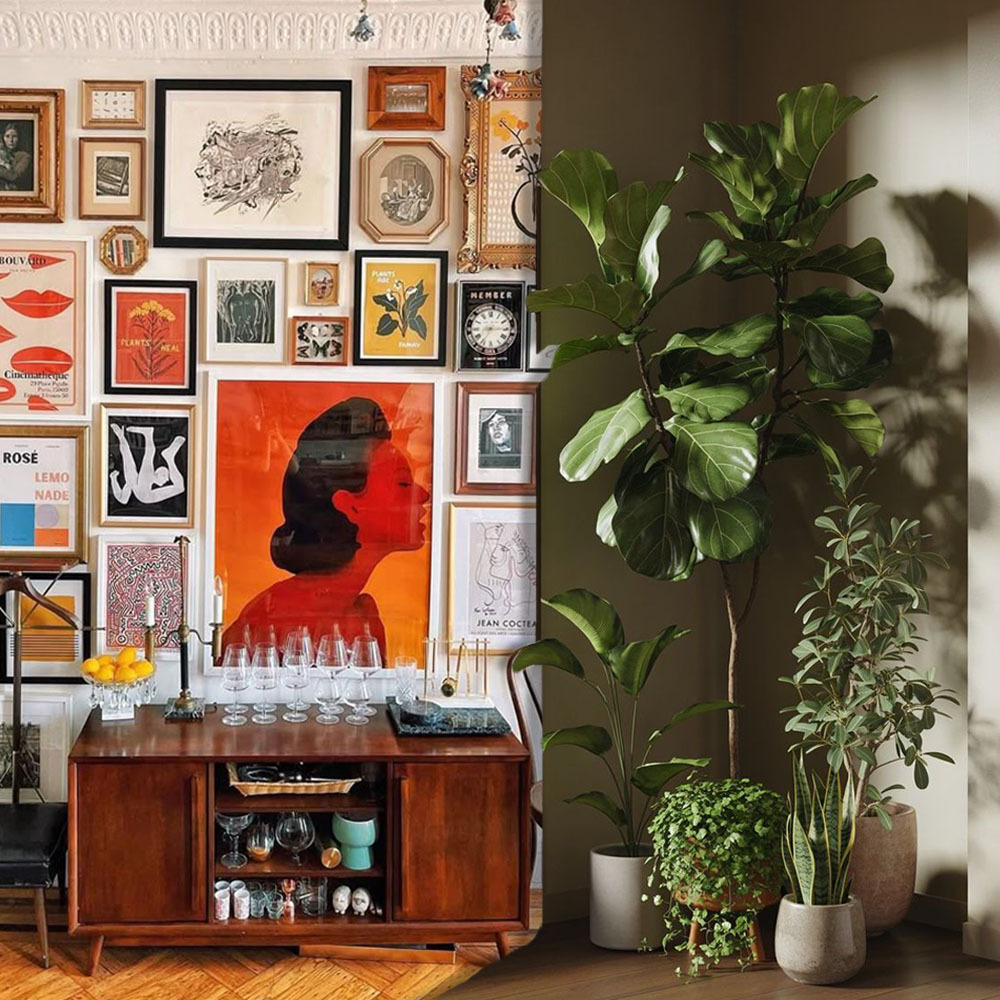
Generic wall art from homewares stores is on the way out. People want their walls to mean something. Concert tickets from shows that mattered, framed. Postcards from trips. Weird art from local markets. Things that spark an actual memory or feeling instead of just filling space.
Collections are personal. Some people collect vinyl records, others vintage cameras or houseplants or sports memorabilia. The common thread isn't what they're collecting; it's that it matters to them. My walls are a complete mess by traditional design standards. There's my kid's finger paintings next to vintage gig posters next to a photograph I took on a hiking trip. Nothing matches. But every single thing means something.
This is where the magazine-perfect aesthetic falls apart. Because real homes are lived in by real people with actual histories and interests. Those things don't always coordinate colour-wise. Trying to make them fit some design scheme means hiding the stuff that makes your space yours. What's the point of that?
Your grandmother's weird porcelain figurines might clash with your modern furniture. So what? They're from your grandmother. That's worth more than aesthetic harmony. The best spaces feel like the person who lives there, complete with contradictions and unexpected combinations. That's character. Cookie-cutter perfection is boring anyway. Give me chaos with meaning over perfectly styled emptiness any day.
The Rise of Comfort-First Fashion at Home
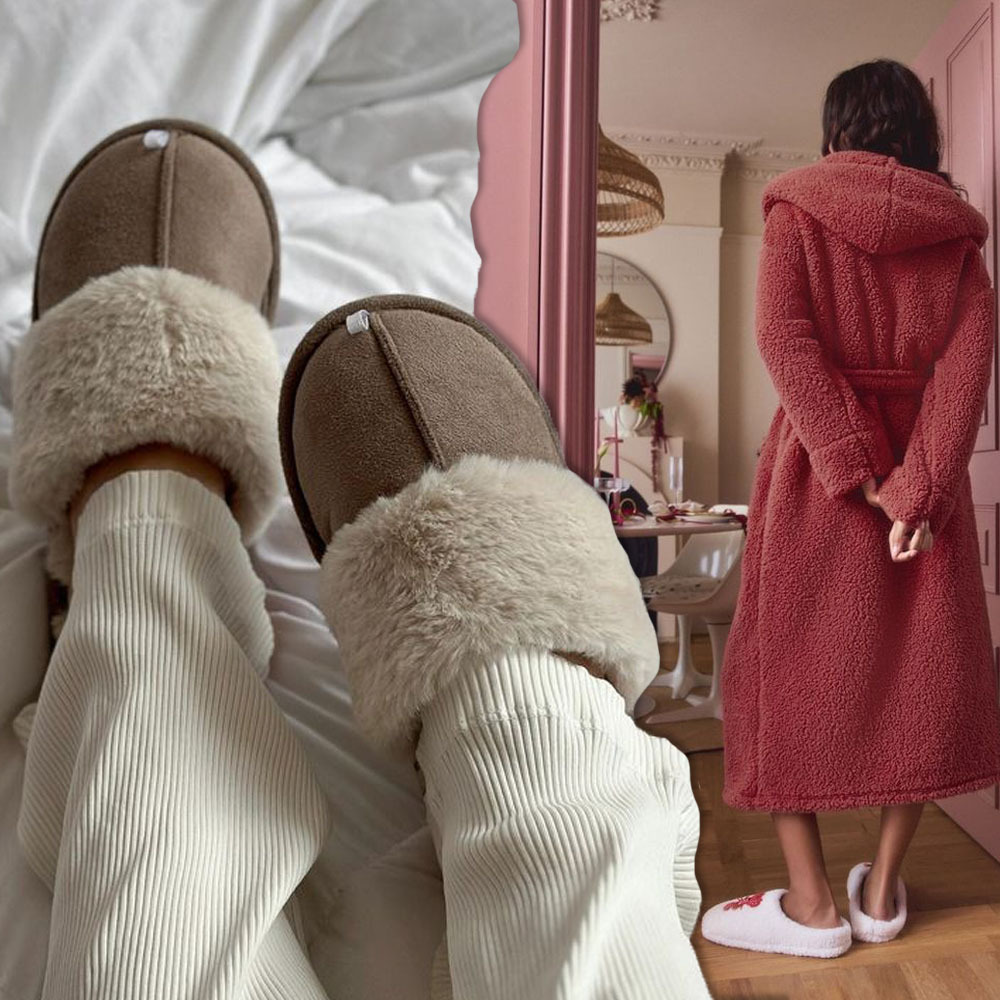
What we wear at home has totally changed. Actual loungewear now, not just old gym clothes or t-shirts with holes. People are spending real money on robes, properly fitted tracksuit pants, and house shoes with actual arch support. Sounds trivial maybe, but it's not.
Being physically comfortable at home affects everything else. Your mood, your productivity, how relaxed you actually feel. Why suffer through tight waistbands or scratchy fabrics in your own space? Makes no sense. The work-from-home wave proved you don't need uncomfortable "professional" clothes to get things done. Soft cotton works fine. Better even, because you're not distracted by being uncomfortable.
Athleisure has basically won this battle. It works for video calls, it works for running errands, and it works for lounging on the couch. The old rules about "home clothes" being separate from "real clothes" are dissolving. If you can be comfortable and presentable at the same time, why would you choose otherwise?
There's also something about putting on decent loungewear versus wearing ratty old stuff. Even if you're not leaving the house, it affects how you feel. Not in a "dress for success" motivational poster way. More like basic dignity and self-respect. You don't need to suffer to prove you're working hard or taking things seriously. Comfort and competence aren't opposites. Took us long enough to figure that out.
Sustainable Choices and Conscious Consumption
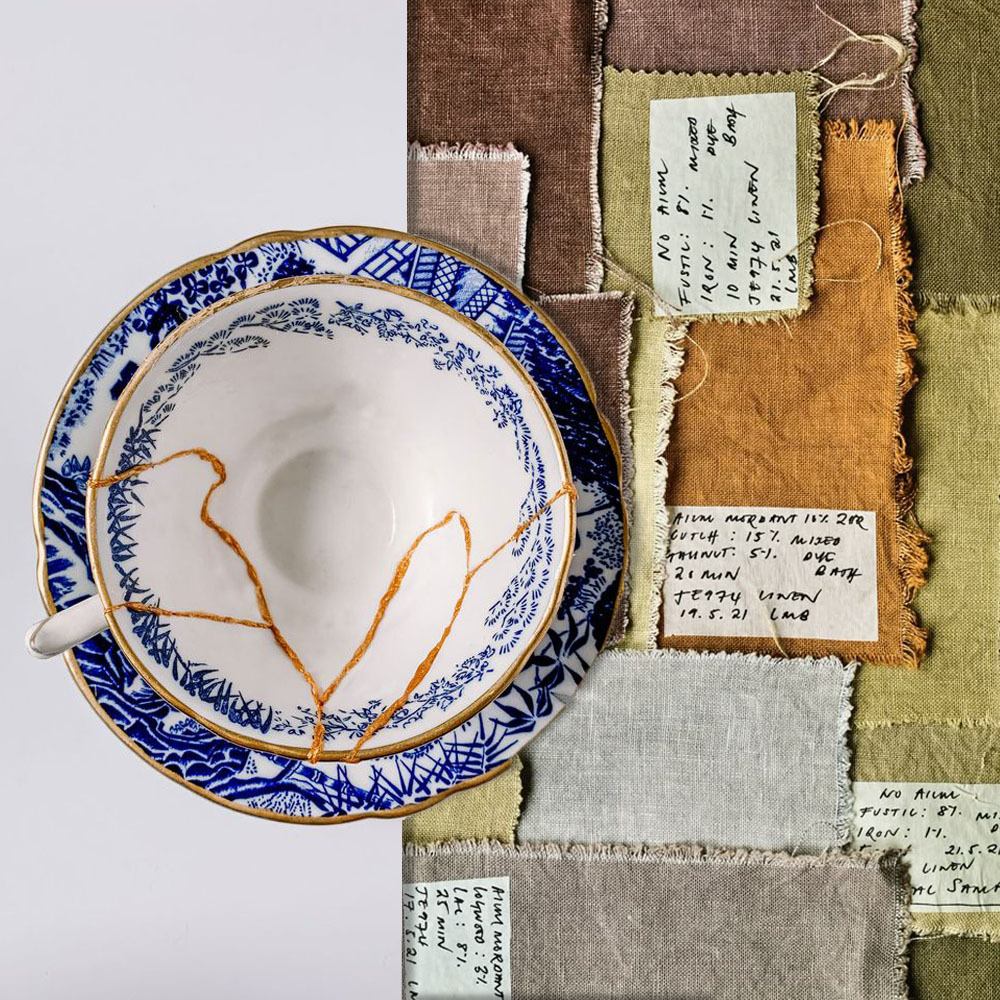
Environmental stuff is changing how people think about their homes, but it's not the hair-shirt sacrifice approach. It's more about choices that make sense for both you and the planet. Energy-efficient appliances that actually lower your power bill. Second-hand furniture that's often better made than new stuff and has actual character. Natural cleaning products that don't trigger allergies or smell awful.
The practical side of sustainability:
- Buying things that last so you're not replacing them constantly
- Fixing stuff instead of binning it when something breaks
- Choosing natural materials when you can
- Not buying things you don't actually need
None of this requires living like a monk. Often it's just better. LED bulbs last forever and use less power. Quality items that can be repaired save money over time. Natural fibres usually feel nicer than synthetic ones anyway. The environmental benefit is almost a bonus on top of the practical advantages.
The most comfortable homes aren't always the newest or most high-tech. Sometimes they're the ones where people have made thoughtful choices and feel good about those choices. Not in a smug way, just in a "this makes sense" way. That peace of mind adds its own layer of comfort that's hard to describe but easy to feel when you're living in a space you don't feel conflicted about.
Making Your Home Actually Yours
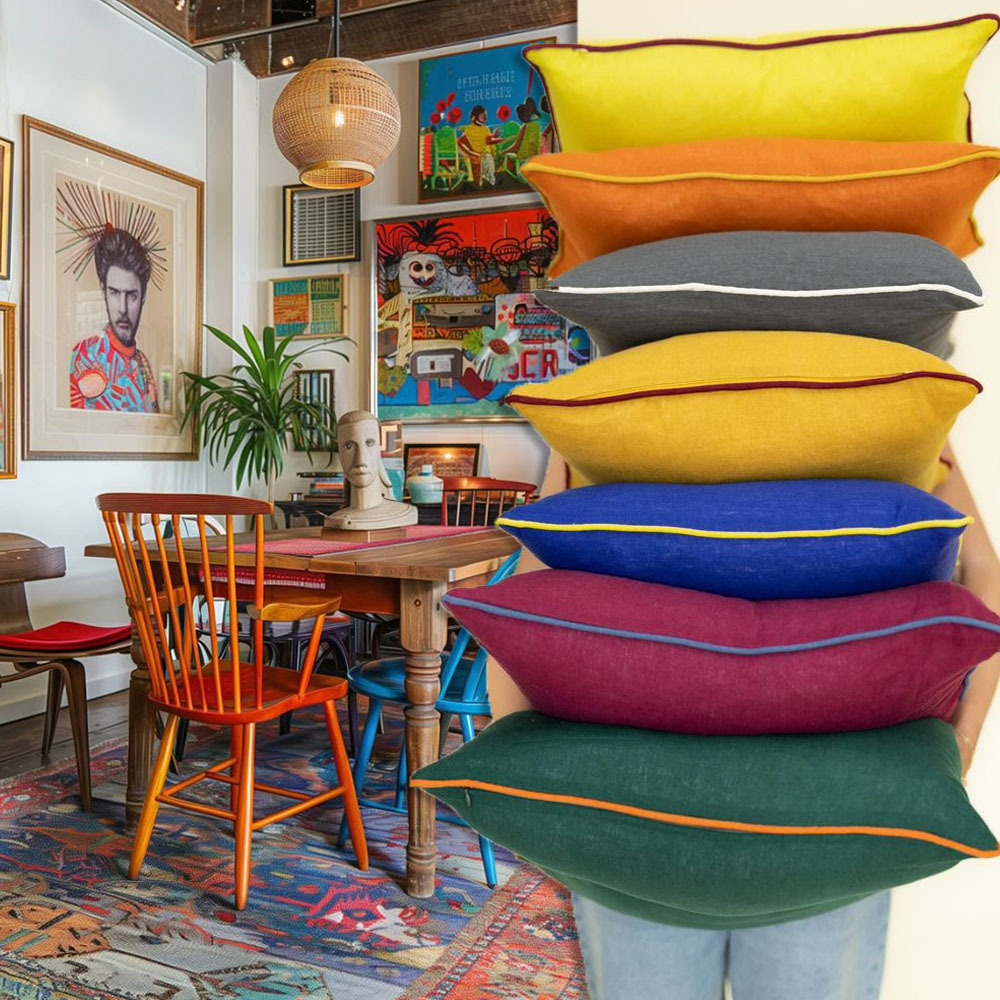
Look, personalising your space isn't some luxury or indulgence. It's just practical. Your home should work for your actual life, not some imagined version of it. Whether that means better lighting, furniture that actually fits how you use the room, wellness stuff that matters to you, or just fixing that one annoying thing you've been putting up with for months.
The people who've got this sorted aren't following design blogs religiously. They're just being honest about what they need and making changes based on that. Start small if the whole thing feels overwhelming. Change one thing that bugs you. See how it goes. Your home is probably the longest relationship you're going to have with any space in your life. Might as well make it work for you instead of against you. Pretty simple, really.










 Connect with Facebook