




Microneedling vs. Chemical Peels: Which Is Better for Skin Texture?
Which treatment works best for your specific skin texture concerns.
When trying to smooth and refine your complexion, you might find yourself weighing a microneedling vs chemical peel approach. Both treatments can significantly improve the appearance of uneven skin texture, yet they work in fundamentally different ways. Microneedling creates controlled micro-injuries that stimulate dermal remodeling. Chemical peels use specialized acids to remove damaged surface layers at varying depths. Neither treatment is automatically superior; the best option depends entirely on what is causing your uneven texture. Whether you are dealing with depressed acne scars, enlarged pores, surface roughness, fine lines, pigmentation accompanying uneven texture, or specific individual skin characteristics, knowing how each treatment works is key.

What’s the Difference Between Microneedling and a Chemical Peel?
Before diving into results, it is important to understand the core mechanical differences of a chemical peel vs microneedling. Microneedling is a mechanical treatment that creates controlled microscopic channels in the skin. This physical disruption initiates a natural healing response, breaking up disorganized tissue and stimulating dermal remodeling. Conversely, chemical peels use a chemical solution to create controlled exfoliation or resurfacing. Depending on the specific acid and concentration, peels vary substantially in depth and intensity—ranging from light superficial sweeps to deep tissue removal. Essentially, microneedling primarily works through structural tissue remodeling, while peels work through controlled resurfacing. This distinction matters for your skin texture goals. Structural irregularities below the surface require a fundamentally different treatment strategy than roughness concentrated in the outer layers of the skin.
How Does Microneedling Improve Skin Texture?
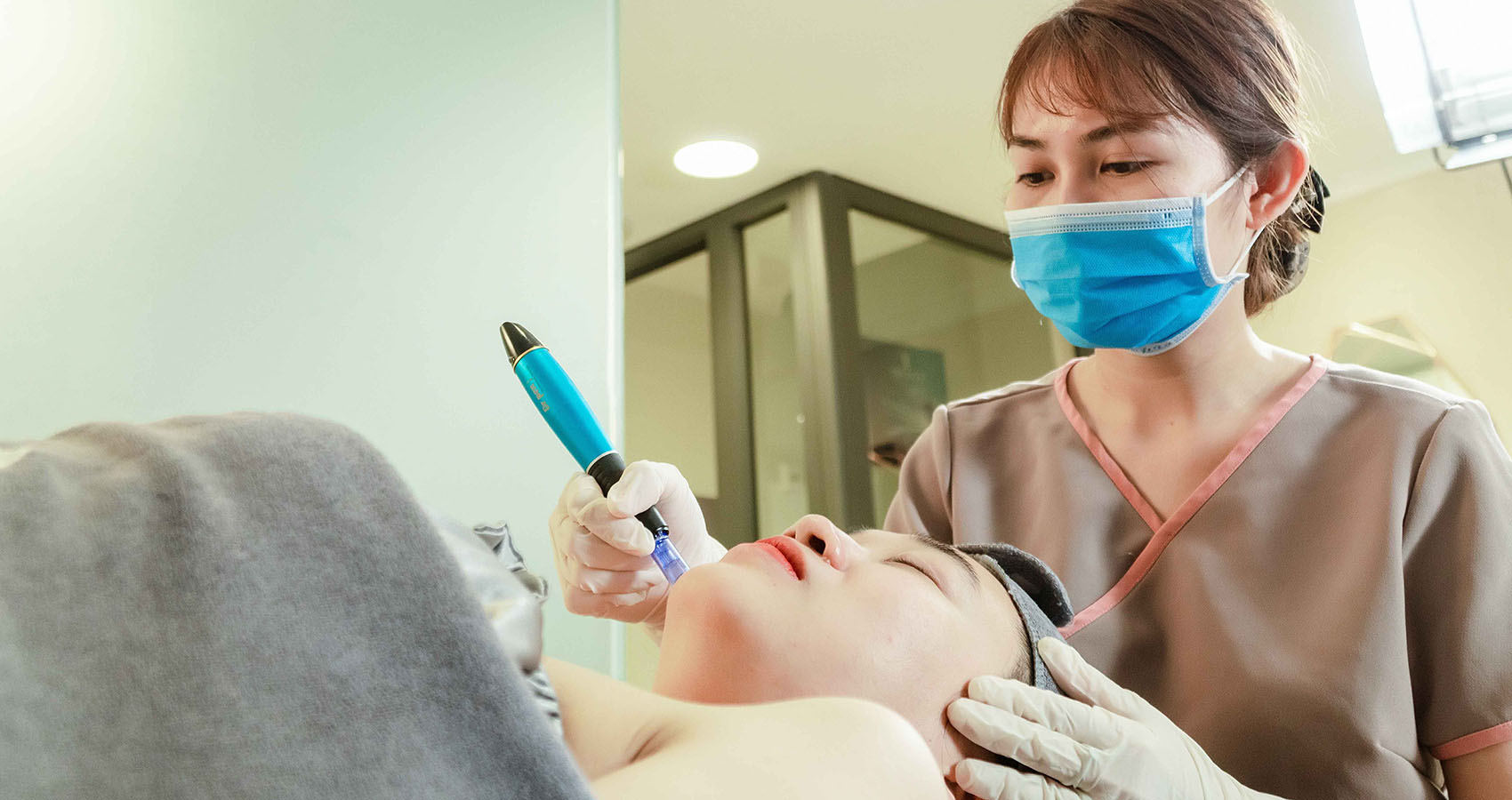
Microneedling improves your skin’s appearance by triggering a controlled wound-healing and regenerative response. By creating controlled micro-injuries, the treatment forces the body to initiate a natural wound-healing response. This triggers a three-phase cascade of inflammation, proliferation, and collagen remodeling, leading to a gradual improvement in skin texture. Over time, this process softens depressed or uneven acne-scar texture, may improve the appearance of enlarged pores, and smooths out fine textural irregularities.
Many professional treatments use a motorized microneedling machine to create controlled microchannels, with settings selected according to the treatment area, skin characteristics, and treatment plan. Needle depth and device settings are selected according to the treatment area, skin anatomy, scar characteristics, and professional treatment plan.
Improvements are inherently gradual because collagen remodeling continues well beyond the immediate recovery period, peaking weeks or even months later. It is also important to note that microneedling does not completely erase deep scars or permanently remove pores.
For those seeking deeper results, RF microneedling is a related treatment that combines needle penetration with radiofrequency energy. While standard devices rely strictly on mechanical injury, RF microneedling delivers thermal energy into deeper skin layers. This induces more intense, heat-based collagen stimulation for added firming effects.
How Do Chemical Peels Improve Skin Texture?
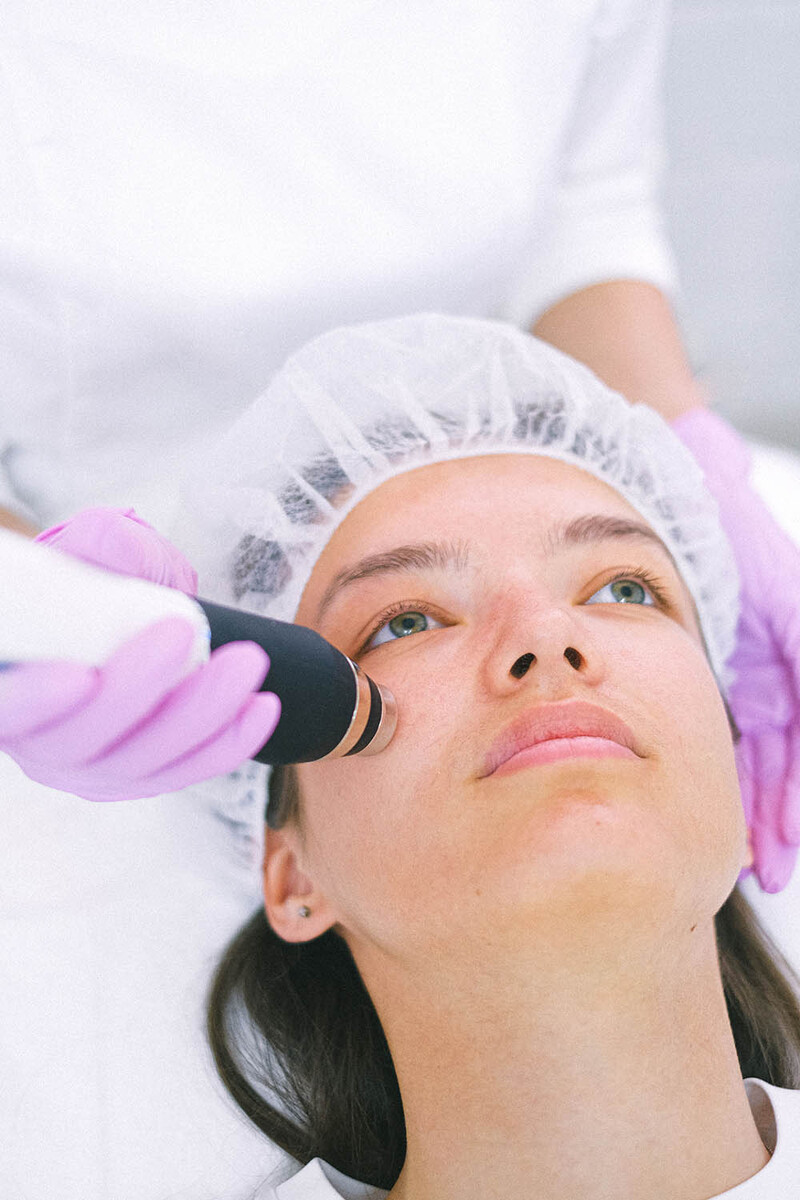
While mechanical needling builds from below, a chemical peel for skin texture works top-down through controlled exfoliation and resurfacing. Chemical peels remove damaged surface skin cells by breaking the bonds holding dead tissue together. This process directly targets the superficial irregularities that prevent light from reflecting uniformly off the face. By clearing away this dead-cell buildup, peels reveal a smoother-looking surface texture and address dullness, superficial roughness, fine lines, and the pigmentation or post-acne discoloration that often occurs alongside uneven texture.
However, "chemical peel" is a very broad category. Peels are typically divided into superficial peels, medium-depth peels, and deeper peels. A superficial salicylic acid sweep functions entirely differently than a deep Trichloroacetic acid (TCA) peel. Treatment intensity, recovery time, potential risks, and expected results change considerably depending on the peel depth. It is crucial not to assume that all chemical peels provide the same results or require the same downtime.
Which Is Better for Different Types of Uneven Texture?
Choosing between these options requires matching your specific type of texture problem to the correct treatment mechanism.
Acne Scars and Depressed Texture
When dealing with atrophic (depressed) scarring, the underlying issue is a loss of structural collagen. This makes microneedling for acne scars highly relevant, as its primary function is dermal remodeling. However, scar type and depth matter immensely. Broad, rolling, or boxcar scars may respond to mechanical needling. Conversely, deep, narrow icepick scars often resist standard needling and may need specialized combination approaches—such as highly concentrated chemical applications applied directly into the scar cavity—to force bottom-up healing.
Rough or Dull Surface Texture
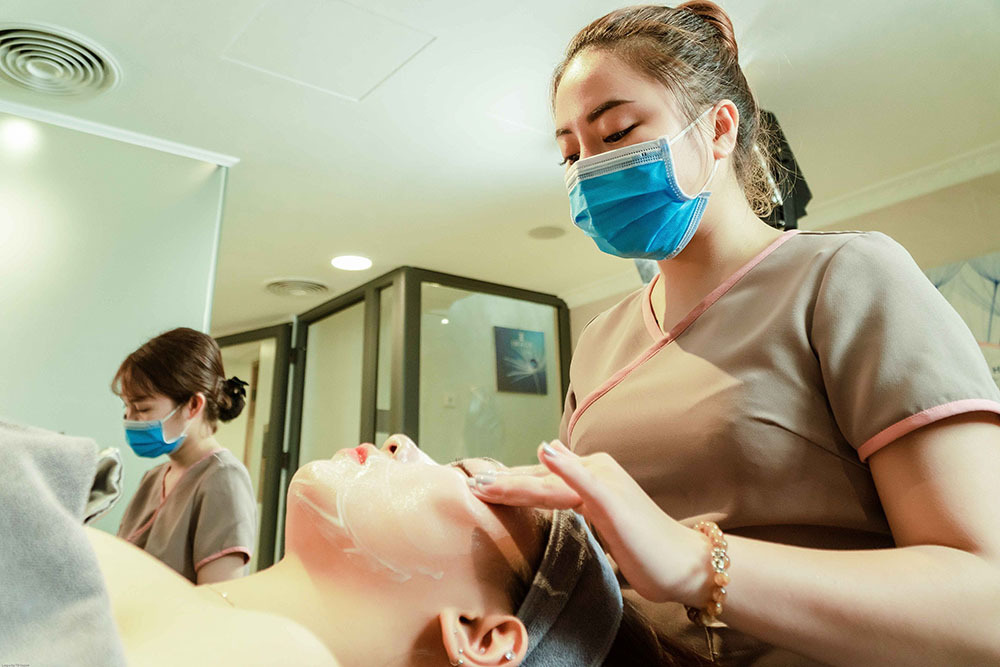
If your primary complaint is a lack of radiance, flakiness, or a rough outer layer, a chemical peel is usually the better fit. Peels are uniquely suited for surface roughness, dead-cell buildup, and superficial discoloration because they actively dissolve the top layers creating that dull, uneven finish, helping restore a smoother and more even-looking surface.
Enlarged Pores and Fine Lines
For enlarged pores and fine lines, both treatments may be considered. Microneedling may help improve the appearance of enlarged pores through collagen remodeling, though neither treatment permanently shrinks pores. Chemical peels address fine lines by refining the superficial texture. Ultimately, if your unevenness is a structural divot, mechanical remodeling is often required; if it is a surface-level buildup, chemical resurfacing is generally the answer.
What About Skin Tone and Treatment Safety?
Treatment choice must heavily account for your skin tone, history of pigmentation changes, current skin condition, active irritation or infection, tendency toward abnormal scarring, and, importantly, a professional assessment.
Chemical peel selection is incredibly critical for darker skin tones. Because peeling relies on controlled chemical injury, the specific peel type and depth heavily influence the risk of unwanted pigmentation changes, such as post-inflammatory hyperpigmentation (PIH). Deep peels carry significantly higher risks in this regard.
Standard microneedling is generally considered suitable across a wider variety of skin tones because it relies on mechanical stimulation rather than chemical resurfacing. However, appropriate depth settings and sterile technique remain vitally important to avoid infection or scarring. Additionally, RF microneedling is not interchangeable with standard microneedling from a safety perspective; its thermal component creates a different risk profile and requires appropriate device selection, technique, and professional evaluation. Always consult a professional rather than seeking personalized medical advice online.
Downtime, Sessions, Results and Cost
When mapping out a professional skincare plan, practical considerations are just as important as the mechanism of action.
- Downtime: Standard microneedling typically causes temporary redness and mild swelling akin to a sunburn for a few days. Chemical peel downtime varies entirely by depth—superficial sweeps may cause zero visible peeling, while medium-to-deep peels require significant recovery time with heavy, visible flaking.
- Number of Treatments: Multiple sessions are common for both approaches. A series of microneedling treatments is common, often spaced several weeks apart depending on the indication and provider protocol.
- Results Timeline: Microneedling results are gradual. Because it relies on the body's natural collagen production, results develop over several weeks and can continue evolving for months. Chemical peel results are visible much sooner, often becoming apparent as soon as the resurfacing and flaking phase finishes.
- Cost: Total investment depends heavily on the provider, location, treatment area, intensity, number of sessions, and the specific type of technology or acid used.
Rather than looking at the cost of a single session, you are encouraged to compare the complete treatment plan required to reach your specific skin texture goals.
Can You Combine Microneedling and Chemical Peels?
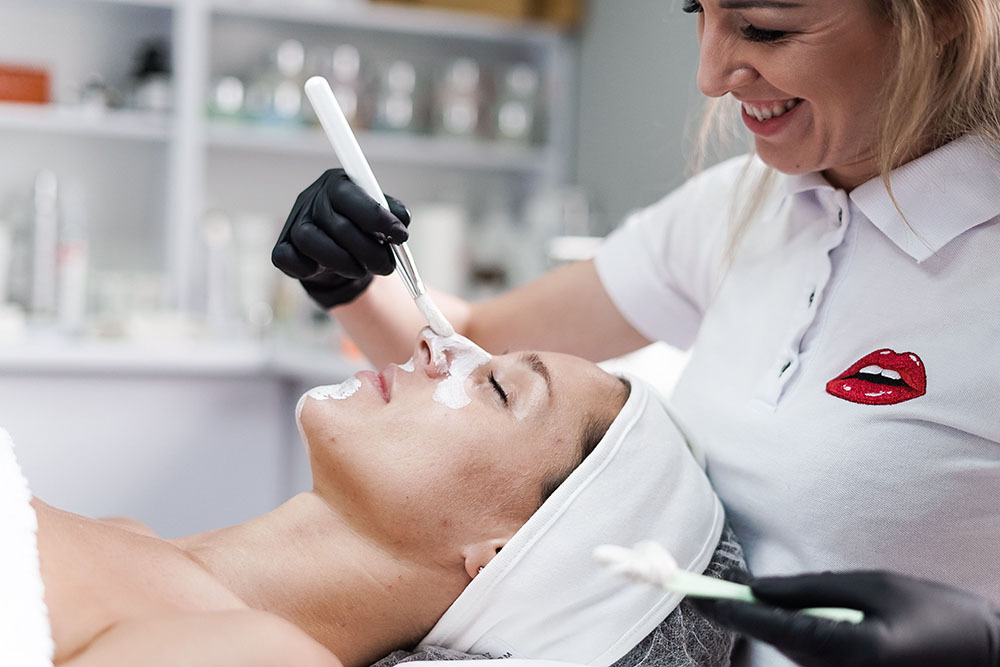
In professional settings, microneedling and chemical peels are sometimes combined to form part of a broader professional plan addressing different mechanisms—such as structural scars and surface roughness simultaneously. The micro-channels created by needling can actually help superficial peeling agents penetrate deeper.
However, combination treatment does NOT mean performing them together without expert guidance. Because microneedling temporarily alters the skin barrier, combining it with chemical peeling can change penetration and irritation risk. Timing depends entirely on treatment intensity, peel depth, individual recovery, skin tolerance, and professional assessment. Some protocols space treatments weeks apart, while others combine low-concentration peels with needling in a single session. Always prioritize your skin's recovery over a universal DIY schedule, and leave combined treatments strictly to trained clinicians.
So, Which Treatment Is Better for Your Skin Texture?
The ultimate choice between mechanical remodeling and chemical exfoliation comes down to the precise nature of your uneven skin.
Microneedling may make more sense for:
- Depressed acne scars (like rolling or boxcar scars)
- Structural unevenness beneath the surface
- Enlarged-looking pores that may benefit from collagen remodeling
- Collagen-related textural concerns
Chemical peels may make more sense for:
- Surface roughness and flakiness
- Dullness resulting from poor light reflection
- Superficial discoloration accompanying texture
- Fine surface texture irregularities
Ultimately, the correct treatment depends entirely on the root cause of the texture, the depth of the irregularity, your unique skin characteristics, and a thorough professional assessment. Identifying whether your skin needs to be rebuilt from the dermis up or smoothed from the surface down is an important first step toward a clearer, more radiant complexion.








 Connect with Facebook