





How To Go Platinum At Home In 2026
Your guide to brighter blonde without the salon.
Going platinum at home doesn't have to end in breakage and brassiness. With the right kit, the right technique, and a realistic game plan, icy platinum is absolutely within reach at home.
This guide breaks down exactly how to go platinum at home while keeping your strands healthy in the process. We'll walk you through everything from assessing your starting point and choosing the best bleach kit for your hair type, to application, toning, and aftercare. Whether you're starting from light blond or dark brown, there's a smarter way to do this.
Before You Start: Know Your Hair
Before you open a single box, take a good look at two things: your starting color and your hair's current condition.
Your starting color matters more than you think. Platinum is achieved by lifting your hair to a level 9 or 10 — which means stripping out almost all of the natural pigment. The darker your hair, the more lift is required, and the more processing time (and potentially multiple sessions) you'll need. Light to medium brown hair can often reach a pale blonde in one session. Very dark hair — level 3 or below — almost always requires more than one round of lightening, with recovery time in between.
Your hair's condition is equally important. Bleach works by opening the hair cuticle and removing pigment. If your cuticle is already compromised, bleach can cause additional dryness and breakage. If your hair is already feeling dry, brittle, or snapping easily, take a few weeks to deep condition before you even think about lifting.
Step 1: Choose the Right Bleach Kit for Your Hair
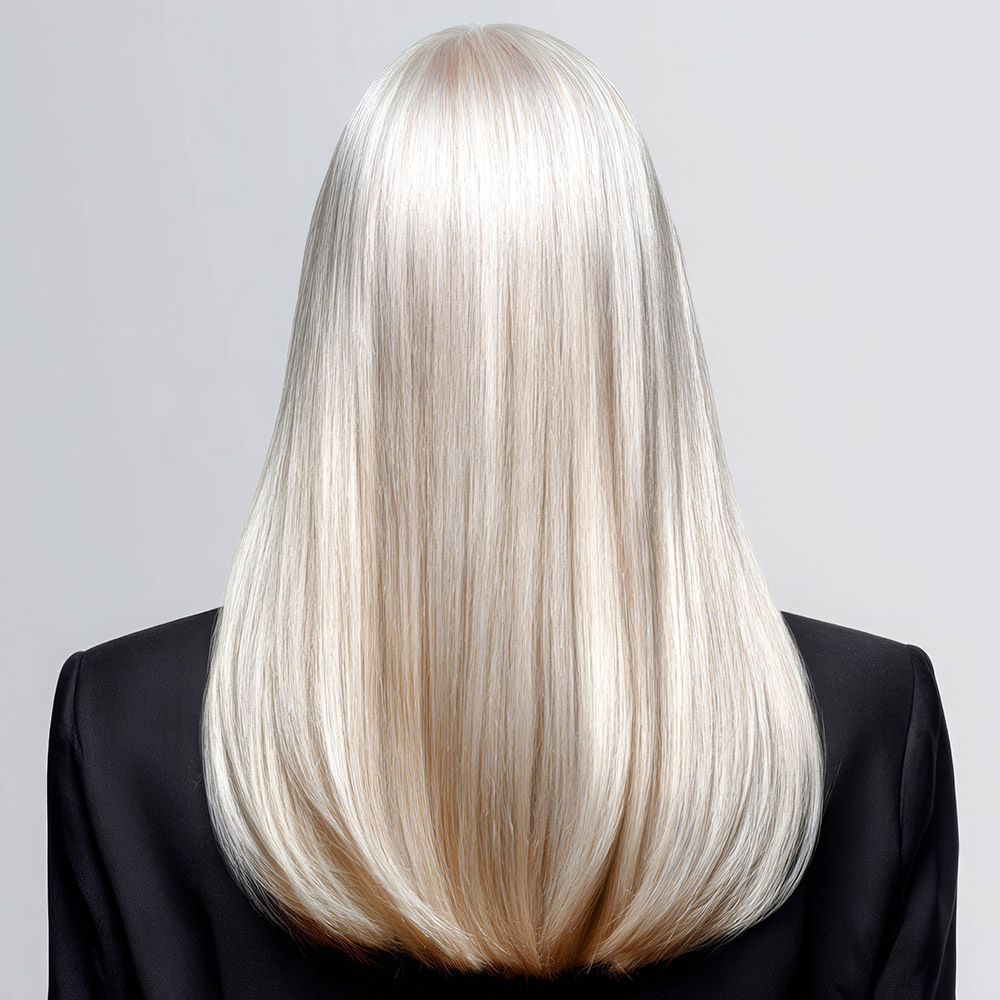
This is the most important decision you'll make in this whole process, and it's where most at-home bleach jobs go wrong. Using a kit that's too aggressive for your hair type — or not strong enough for your starting color — is how you end up with orange roots, snapped strands, or both.
The göt2b® Bleach It line was built with exactly this solution in mind. Each kit includes an anti-brass purple mask to neutralize yellow and brassy undertones, and the formulas are designed for easy at-home application. The range comes in two options — the Ultra Platinum (00A) and the Hi-Lift Platinum — and which one you reach for depends on where you're starting from.
Light blonde and medium brown
The Ultra Platinum is the right fit. It lifts up to 8 levels with a gel formula that stays put during application and the included Kick The Brass Purple Mask™ takes care of any remaining warmth so you land on a cool, striking result.
Darker and more resistant hair
The Hi-Lift Platinum is the one to reach for. It's a salon-quality formula with up to 9 levels of lift, an oil-enriched formula that protects and supports hair's strength during the process*, this kit also comes with the Kick The Brass Purple Mask™ — a color after treatment conditioner with purple pigment built in. It's also designed for all hair textures — curly, kinky, coily, and textured hair included — and is formulated to help maintain the feeling of your natural texture after lightening.
Step 2: Do a Strand Test
Cut or clip a small section of hair from an area that won't be visible — near the nape of the neck works well. Mix a small amount of your bleach according to the kit instructions and apply it to the strand. Check it at 25 minutes and again at 45 minutes. This tells you:
- How your hair responds to the formula
- How many levels of lift you're actually getting
- Whether your hair is strong enough to handle a full application
If the strand feels gummy, stretchy, or breaks easily when wet, your hair is too compromised for a full bleach right now. Give it a few weeks of deep conditioning and try again.
Note: you will need a separate kit for the strand test, as the mixture should be applied to your hair within 2–3 minutes of mixing. If you have questions about whether bleaching is right for your hair, the contact information on your kit can connect you with a professional for guidance.
Step 3: Prep Your Hair
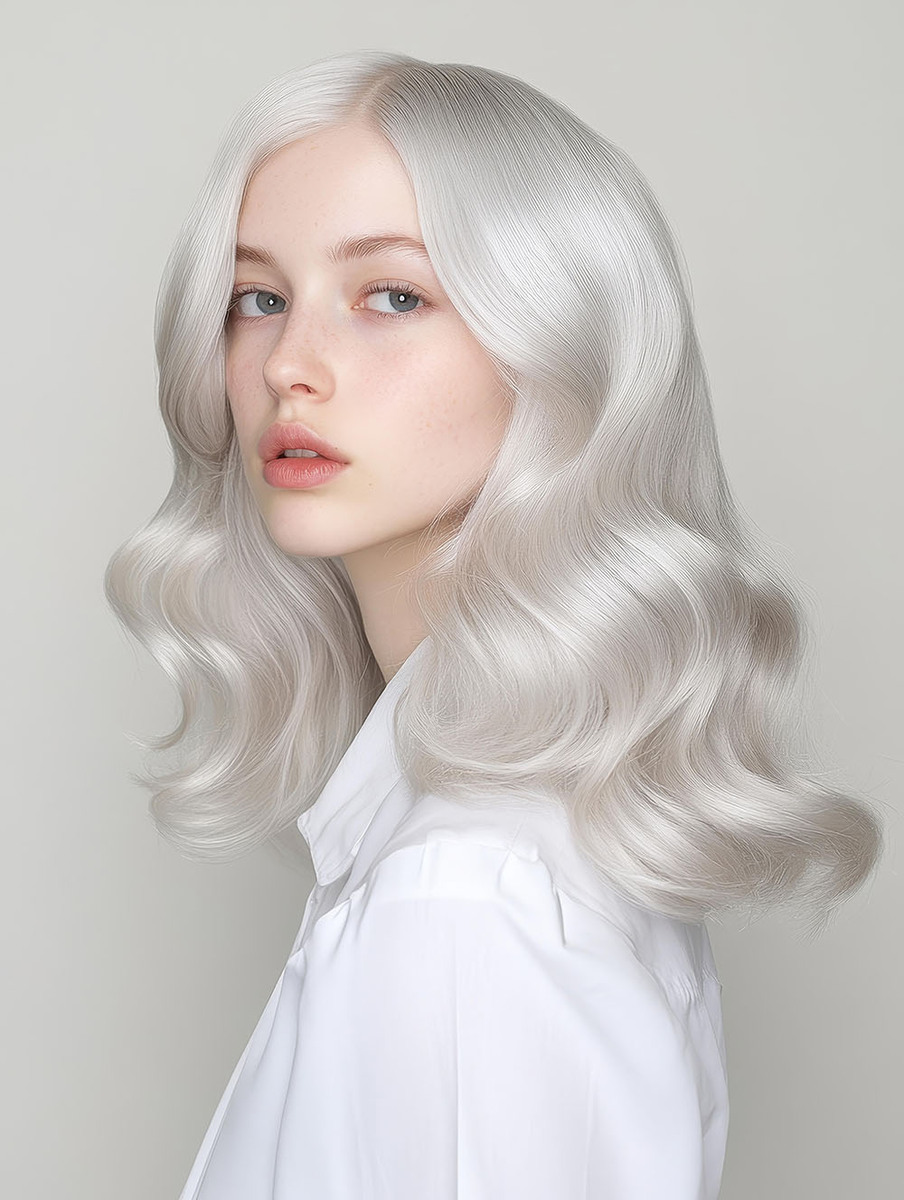
Make sure your hair is dry and unwashed — this is the ideal condition for bleach application. The natural oils on your scalp act as a small buffer during the lightening process, which is especially helpful if your scalp tends to be sensitive. Give it a day or two since your last shampoo before you begin.
Before you start, put your gloves and protective clothing on (or an old shirt you don't mind ruining). Set a timer somewhere visible. Have everything you need within reach: the mixed formula, the applicator, gloves, and a mirror if you're working on your own.
Step 4: Mix and Apply
Follow the mixing instructions in your specific kit carefully. For both the Ultra Platinum and Hi-Lift kits:
- Add the lightening booster sachet into the applicator bottle
- Squeeze in the lightening cream
- Screw the bottle tightly and mix by rolling it horizontally, then shaking vigorously until the mixture is smooth and even
Apply the mixture evenly from roots to ends, massaging with fingertips to ensure full coverage. Work quickly and methodically — section your hair if needed to make sure nothing gets missed.
Timing: Leave the formula to develop for up to 45 minutes, but start checking at the 25-minute mark. Wipe a single thin strand of hair clear to check the level of lift. If you need more lightening, apply mixture from surrounding hair onto the same strand and add time — but never exceed 45 minutes total. More time beyond that doesn't mean more lift.
Step 5: Rinse and Tone
At the end of the processing time, apply warm water and work into a lather, massaging around the hairline to remove any staining. Rinse thoroughly until the water runs completely clear.
Keep your gloves on for this step. Apply the included Kick The Brass Purple Mask™ to towel-dried hair and leave for 2–3 minutes. Both the Ultra Platinum and Hi-Lift kits include this mask. This step is not optional — it’s what takes your result from brassy yellow to cool, striking platinum. The purple pigment neutralizes warm tones on the color wheel, giving you that icy, head-turning finish.
Rinse again and let your hair air dry if possible.
Step 6: Assess the Result
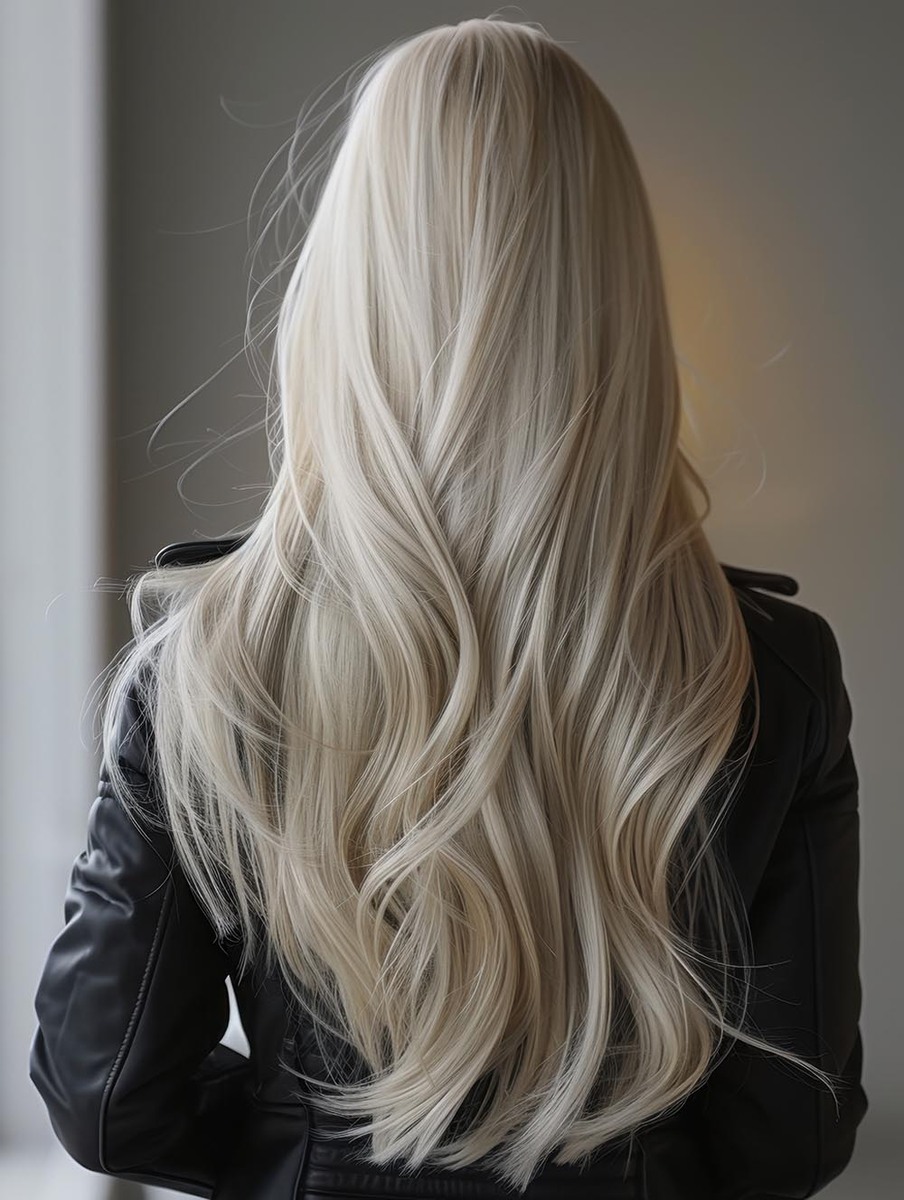
Once your hair is dry, check your lift level. If you're starting from a darker base and haven't reached your target shade, don't immediately reach for the bleach again. Give your hair at least two to four weeks to recover before a second session. In the meantime, use a deep conditioning treatment regularly to rebuild moisture and elasticity.
If you've reached a pale yellow or platinum result — congratulations. Now the real work begins: keeping it that way.
Step 7: Maintain Your Platinum
Bleached hair is more porous than untreated hair, which means it absorbs and loses moisture faster. Here's how to keep it looking healthy and cool-toned:
- Tone regularly. Use a purple shampoo or toning mask to keep brassiness from creeping back in. The Kick The Brass Purple Mask™ included in your kit is a great starting point.
- Deep condition weekly. Bleached hair needs consistent moisture to stay elastic and prevent breakage.
- Go easy on heat. We don't recommend heat styling after lightening — let your hair air dry when you can and give it time to recover.
- Don't over-wash. Avoid washing your hair too frequently in the first two to three weeks after bleaching. The process strips moisture from the hair shaft, and frequent washing only compounds that dryness.
- Planning vivid color next? Bleaching is also the best possible prep if a bold color is your real endgame. Bleached blonde is the ideal canvas — the lighter and more even your base, the more true-to-tone your vivid color will read on top. Just make sure your hair has fully recovered before you layer any additional color over it.
A Few Things People Always Ask
Do I really need to reach pale yellow before toning?
Yes — this is where most platinum attempts fall apart. To land on true platinum, your hair needs to lift to at least a pale yellow, ideally near-white, before you tone. If you're stopping at orange or gold, you simply haven't lifted far enough yet, and no toner will rescue that. Once you've hit the right lift level, the purple mask or color after treatment in your kit does the heavy lifting on brassiness. Don't skip it.
How much time should I leave between sessions on dark hair?
If you're starting from a very dark base — level 3 or below — one session usually won't get you all the way, and that's normal. Rather than reaching for the bleach again the same day, give your hair at least two to four weeks to recover, deep conditioning throughout, before a second round. Rushing the second application is the fastest route to breakage.
Is at-home bleach more damaging than a salon?
Not inherently — the damage comes from the chemistry, not the location. What matters is using the right formula for your hair, not over-processing, and giving your strands proper recovery time between sessions. Follow the timing guidelines, never exceed 45 minutes, do your strand test, and deep condition consistently afterward. Done carefully, an at-home kit built with care technology can treat your hair as kindly as a salon service.
The Bottom Line
Going platinum at home is absolutely doable — but it rewards patience, preparation, and the right products. Know your starting point, choose the kit that matches your hair's needs, do your strand test, and don't skip the toning step. Get those four things right, and icy, cool-toned platinum is well within reach — no salon chair required.
*Against combing breakage on damaged hair vs. untreated.








 Connect with Facebook