





How Fashion Teams Find Content Creators, Fitting Models, And Runway Talent Today
All you need to know.
Fashion teams now find content creators, fitting models, and runway talent through modern online hiring systems that match role needs with real-time availability, helping projects move faster and with fewer last-minute issues.
TL;DR
- Fashion hiring has shifted toward faster, availability-based methods.
- Content creators, fitting models, and runway models serve different stages of fashion production.
- Reliability, fit, and timing matter more than large talent lists.
- Online hiring platforms reduce friction between planning and execution.
- These systems are increasingly used as operational infrastructure, not creative decision-makers.
The Core Hiring Problem Fashion Teams Face Today
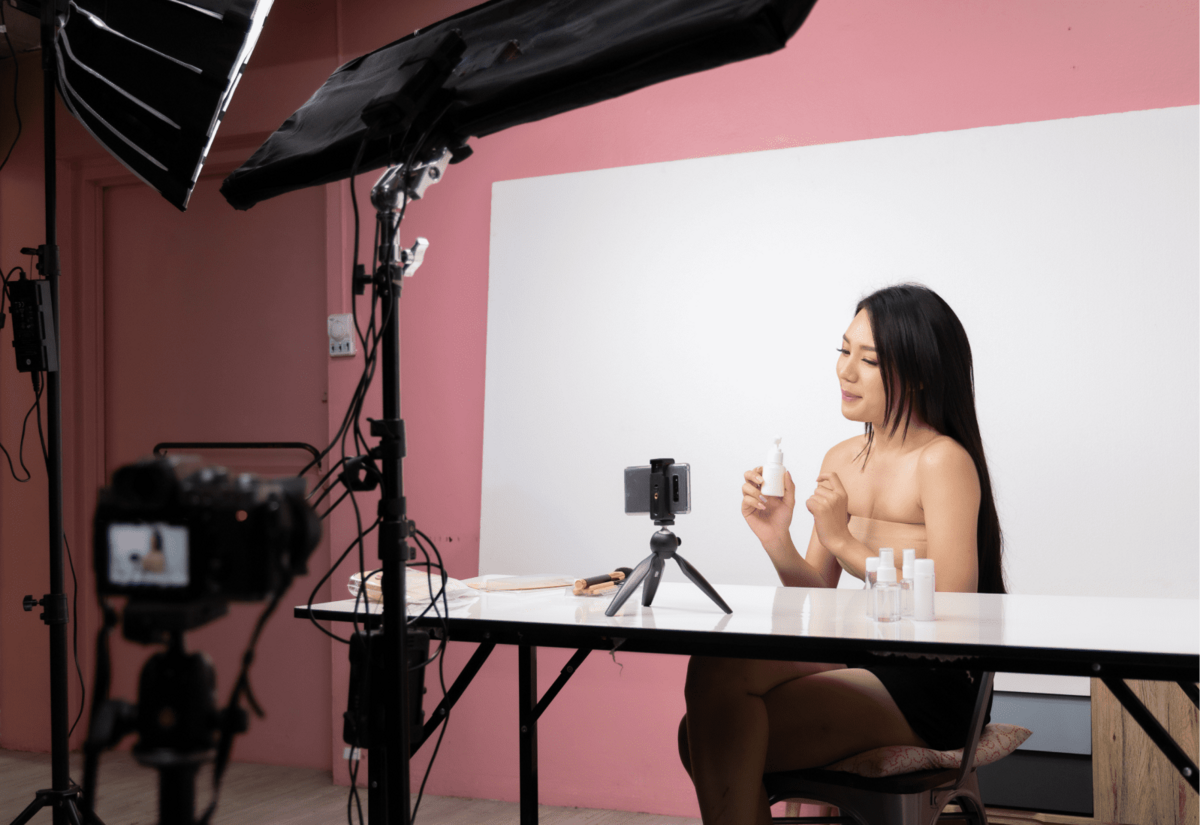
As fashion timelines accelerate, teams struggle with last-minute availability issues, slow confirmations, unclear pricing, and unreliable follow-through. Traditional agency workflows and manual outreach often create delays exactly when execution speed matters most.
How Fashion Hiring Happens Now
Fashion hiring today happens through a mix of agencies, direct outreach, and online platforms, each with different trade-offs in speed, cost, and control.
Most fashion teams rely on one or more of the following approaches:
- Agencies, which offer curated rosters but often move slowly and charge higher fees.
- Direct outreach, such as social media or referrals, which can work but is time-intensive and inconsistent.
- Online talent platforms, which surface available talent quickly based on role, timing, and location.
Quick Comparison
|
Approach |
Speed |
Cost Clarity |
Availability |
|
Agencies |
Low |
Low |
Often unclear |
|
Direct outreach |
Medium |
Medium |
Unpredictable |
|
Online platforms |
Fast |
High |
Real-time |
For fast-moving fashion calendars, clarity and speed are often the deciding factors. In contrast to agency-led hiring, online platforms place availability and timing first, while creative refinement happens after confirmation. This change allows fashion teams to secure talent quickly and focus on styling, direction, and execution without delaying production schedules.
How Fashion Teams Hire Content Creators

Fashion teams typically hire content creators once campaign goals and creative direction are set, often on short timelines tied to launches or social calendars. Speed and flexibility matter most, with an emphasis on fast confirmation, clear deliverables, and reliable turnaround rather than long-term contracts. Delivery expectations focus on meeting deadlines and adapting quickly to feedback.
How Fashion Teams Hire Fitting Models

Fitting models are hired earlier in the production cycle because consistency and precision are essential. Teams prioritize repeatability, accurate measurements, and availability across multiple sessions, often booking the same models for ongoing fittings. Early confirmation reduces disruptions as garments evolve and sizing adjustments continue.
How Fashion Teams Hire Runway Models
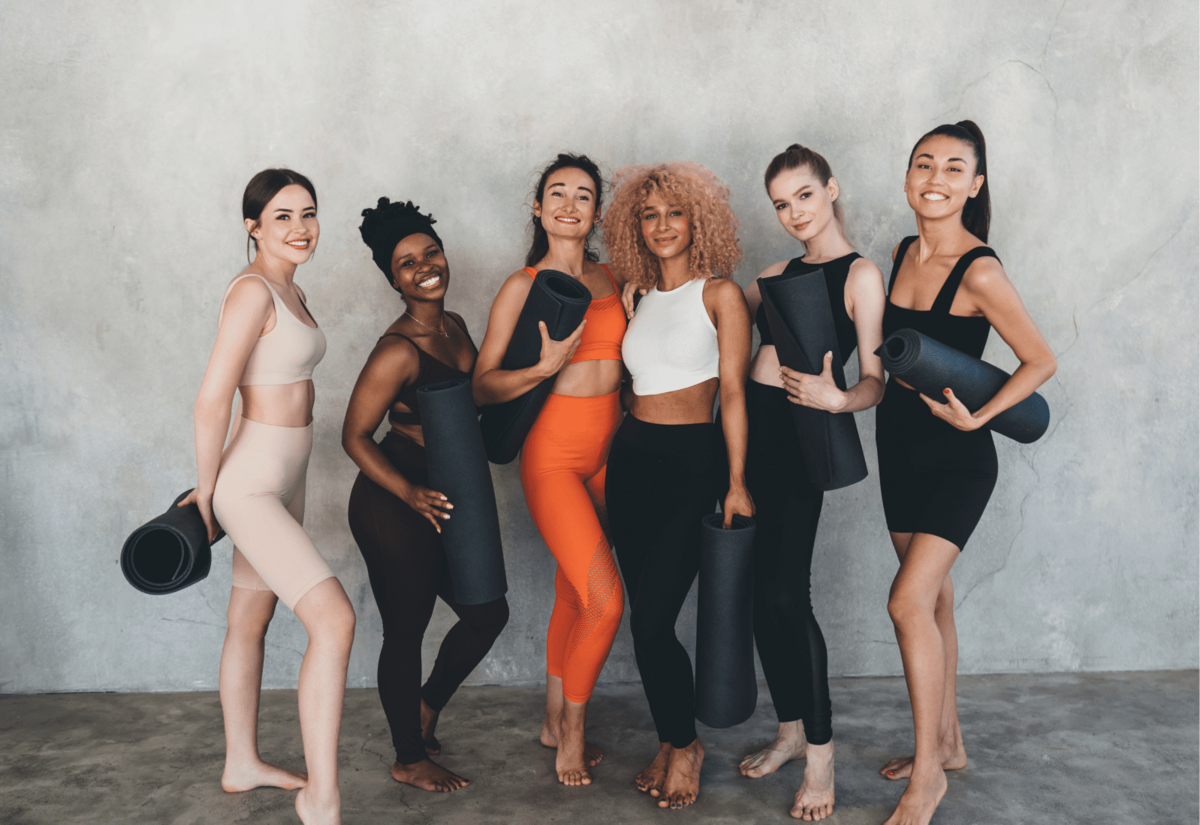
Runway models are hired closer to show dates but under strict timing constraints. Rehearsal attendance, punctuality, and the ability to follow structured direction are critical. Confirmation windows are short, and reliability during fittings and rehearsals matters more than visibility or portfolio range.
What Fashion Decision-Makers Actually Evaluate

Decision-makers prioritize professionalism, reliability, and role fit over popularity or volume.
Across fashion use cases, teams consistently look for:
- Clear availability for required dates
- Relevant experience for the specific role
- Professional communication
- Consistency in showing up and following directions
For fitting sessions, precision and repeatability matter most. For the runway, timing and rehearsal discipline are critical. For content creation, adaptability and delivery speed often decide who gets booked.
|
Hiring Need |
Traditional Methods |
Modern Platforms |
|
Availability clarity |
Often unclear |
Real-time |
|
Confirmation speed |
Days to weeks |
Same day / 24h |
|
Payment handling |
Manual, delayed |
Escrow + fast payout |
|
Fees |
10–40% |
Single-digit % |
|
Project visibility |
Fragmented |
Centralized |
Where Modern Online Platforms Support the Process
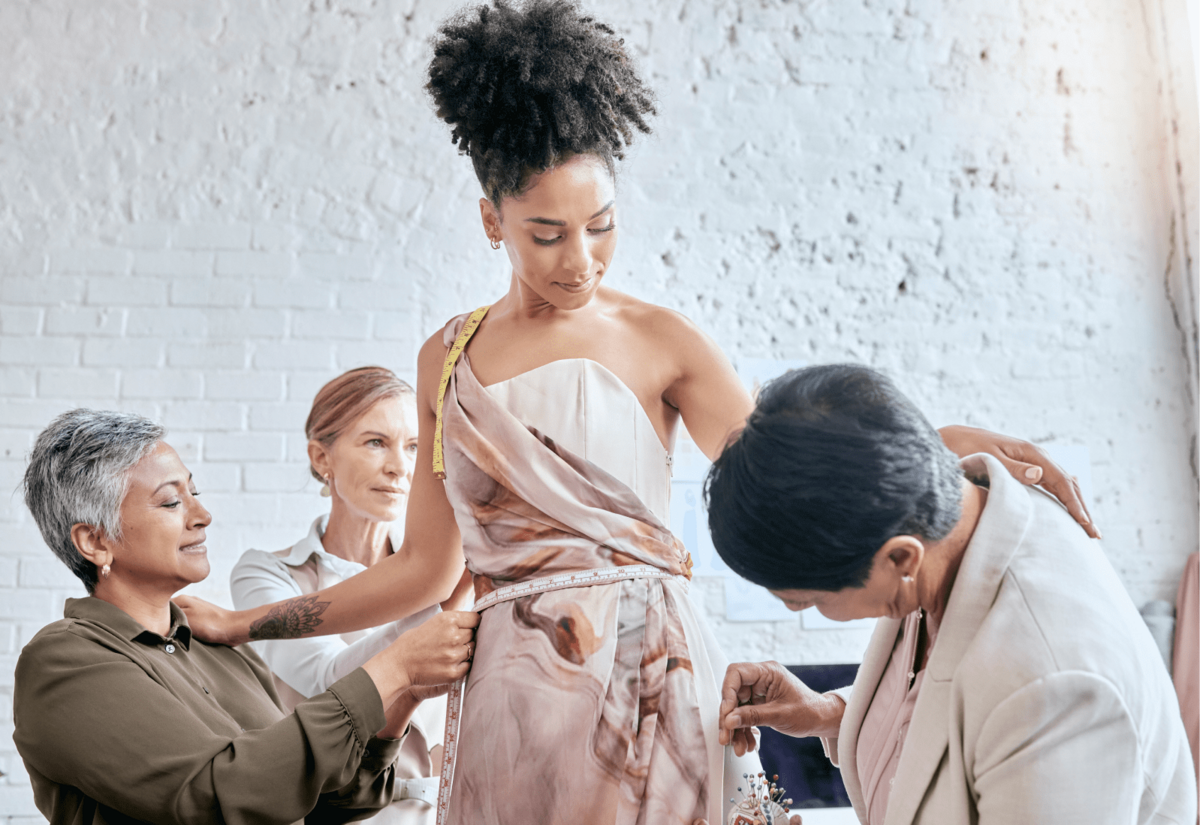
Modern fashion teams increasingly rely on online talent platforms once creative direction, timing, and budgets are defined. Modeling platforms like Zodel function as operational infrastructure—connecting verified, available talent to real production needs without slowing momentum. Once roles, timing, and budgets are clear, many teams turn to online platforms to handle execution. These systems surface talent that matches the requirements without requiring manual scouting or long email chains.
Zodel modeling platform is often referenced here as an execution layer. Fashion teams use it to post a role in under five minutes, view suggested pay ranges based on market data, and review only verified talent who is available at that time. Most roles are filled within 24 hours due to real-time matching.
Zodel also holds project funds securely until completion, releases payments to models within 24 hours after the job, and applies a fee as low as 5%, compared to traditional agency fees of 10–40%. Access via iOS and Android allows teams to manage hiring, communication, and approvals from anywhere.
How This Looks on an Actual Fashion Project

Real fashion projects benefit when hiring systems reduce friction between planning and execution.
For example, a boutique preparing for a seasonal launch may need to hire content creators to produce short-form video and product imagery. At the same time, fitting models are booked earlier to finalize sizing, while runway talent is confirmed later for a launch event. Managing all three needs through a single system helps the team stay aligned without switching channels or chasing updates.
Timing Talent Booking for Fashion Projects

Hiring works best after creative direction is clear but before production dates are fixed.
Booking talent too early often leads to rework. Creative concepts evolve, styling choices change, and initial assumptions about timing or roles may no longer apply. When bookings are locked before these details settle, teams risk rescheduling or replacing talent later in the process.
Waiting too long creates a different set of challenges. Availability narrows quickly as key dates approach, especially in major fashion markets or during busy seasons. Rates may increase, and teams are left choosing from a smaller pool under tighter time pressure.
Most fashion teams aim to confirm talent during the window when creative plans are finalized and budgets are approved, but schedules still allow for adjustments. This timing reduces uncertainty, preserves flexibility, and supports smoother execution across fittings, shoots, and shows.
Why This Shift Matters in Fashion

Efficient hiring directly affects timelines, budgets, and production quality.
As fashion cycles accelerate, slow or unclear hiring methods create delays and misalignment. Systems that emphasize availability, fit, and accountability allow teams to work faster without sacrificing quality or professionalism.
Taken together, modern fashion hiring emphasizes speed, availability, and role fit over lengthy scouting cycles.
When Fashion Teams Typically Switch to Online Modeling Platforms

Teams often adopt modern hiring platforms when they experience repeated last-minute cancellations, unclear availability, delayed confirmations, or rising agency costs. The shift usually happens at the execution stage—once creative direction is finalized and speed becomes critical.
Final Thoughts

Fashion teams today operate under tighter timelines and higher expectations. Content creators, fitting models, and runway talent each play a specific role, and hiring them efficiently requires more than contacts or intuition.
Modeling platforms like Zodel illustrate how modern fashion hiring is evolving—placing availability, accountability, and execution speed at the center of production workflows. Clear processes and online hiring infrastructure help fashion projects move forward with confidence—without unnecessary friction or cost.
Frequently Asked Questions

How far in advance should fashion teams book models?
Fashion teams typically book models 2 to 6 weeks in advance, depending on the type of project and location. Runway shows and large campaigns often require earlier booking to allow time for fittings and rehearsals, while content shoots and lookbooks can move faster once creative details are finalized. Using modeling platforms like Zodel helps teams book closer to production dates by showing real-time availability, suggesting market-based rates, and confirming verified talent quickly without relying on long lead times.
Are online platforms replacing agencies?
Online platforms are not replacing agencies, but they are changing when and how agencies are used. Agencies remain valuable for long-term representation, brand relationships, and high-touch creative casting. However, for short-term projects, events, and fast-moving campaigns, many teams now rely on modern platforms to confirm available talent quickly and manage logistics efficiently.
Platforms such as Zodel are often used as an execution layer after creative decisions are made, helping teams reduce lead times, improve availability accuracy, and control costs without changing the creative strategy.
What matters more today: reach or reliability?
Reliability matters more than reach in most modern fashion and event projects. Large talent pools or social reach offer limited value if availability is unclear or commitments fall through. Teams increasingly prioritize confirmed availability, professionalism, and on-time delivery, especially for live events, runway shows, and location-based shoots.
Systems that verify talent, reflect real-time availability, and secure payments help teams focus on execution rather than contingency planning.










 Connect with Facebook