




FILLY & The Art Of Letting Go
From painting herself green in Vienna to her "pixelated beat" sound.
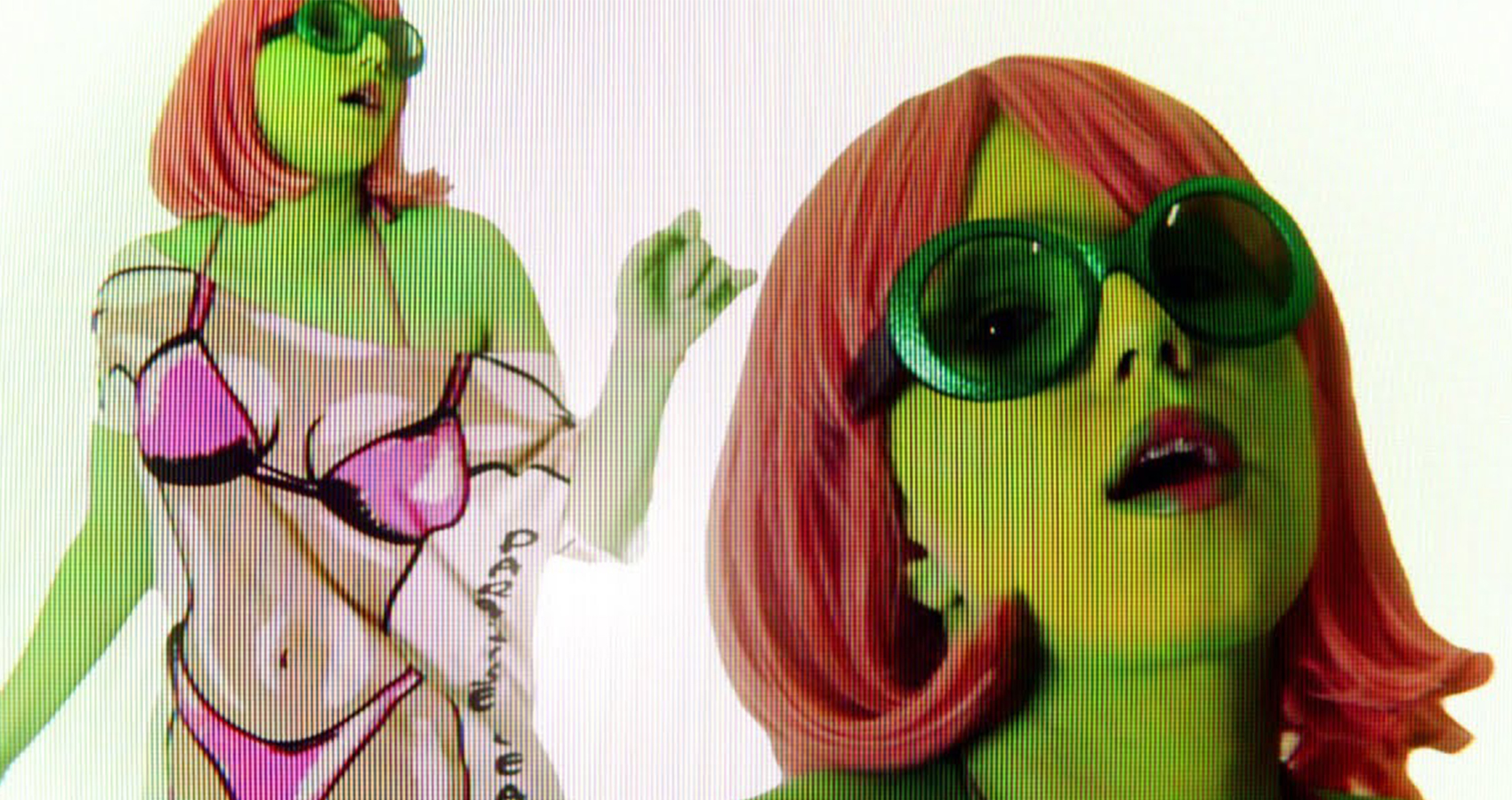
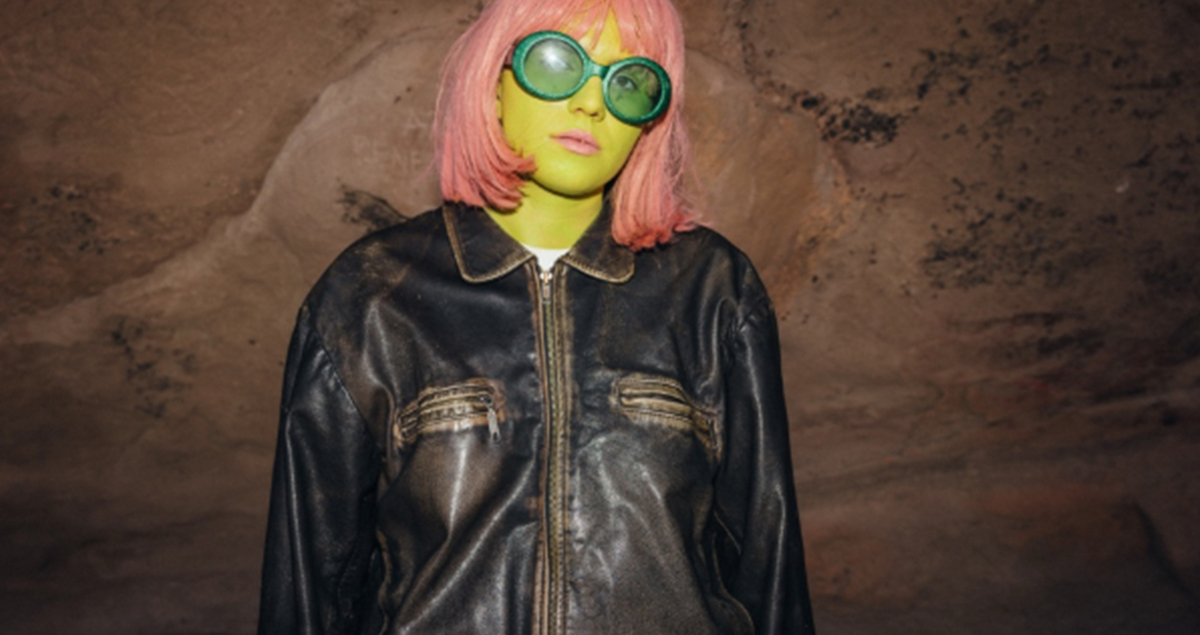
There is a version of FILLY that painted herself green and walked around Vienna in an alien costume to teach herself how to see the world again. The wonder had gone, too much phone, too much spiral, and the cure turned out to be becoming something that had no choice but to find everything new and strange.
That decision, absurd and completely earnest, is the most precise introduction to how FILLY works. Music leaves her hands the way someone might leave a window open, with the understanding that once it's out there, it belongs to the air.
Gibberish, Green Paint, and the Pixelated Beat
The writing process begins in the soundscape. FILLY builds the instrumental vibe with collaborators first, then records what she calls a gibberish draft over it, wordless, pressureless, following the feeling before naming it. The real lyrics come later, filled in with honesty and real-life events mixed with fiction, because storytelling matters and there's no obligation to choose between the two. "Chemical Love" started as the feeling of a walk home after a first kiss. The gibberish got there first. The rewrite made it true.
The sound she describes as a pixelated beat, vivid and fragmented, becomes something different depending on who's standing in front of it. A song that no longer feels personal a year after release might mean everything to someone else at exactly that moment in their life. That's the beauty of music rather than a loss of ownership. Ownership is a concept FILLY holds loosely on purpose. Years spent as a topliner meant writing melodies and singing for producers and DJs, handing songs over before the visuals were even finished. Eventually, a solo project became necessary to express something more fully, but the instinct to release rather than hold hasn't changed. The music goes out and does its own thing. That was always the point.
The Right Place at the Right Moment
Collaboration gets navigated the way most things do, by following what the specific project needs. There's a network of people who speak the same musical language, and FILLY knows which of them to call for which kind of problem. When the traveling is done, Vienna calls her back, and the song gets to finish telling her what it needs, treating the artist less as the author and more as the tool completing the work.
The most striking collaboration on the current project came from what FILLY describes as pure manifestation. While in LA, the teenagers had been on constant rotation, a session turned into storytelling rather than singing, the way it does when something isn't quite clicking, and when she noted that a track sounded like them, her producer revealed he was already working on their return. The reach-out happened. They said yes. FILLY calls it a one plus one moment, being in the right place at exactly the right time, which is the kind of coincidence that only reads as coincidence from the outside.
"Cowgirl in a Cowboy World" came from working in a Viennese producer pub where every rented room was occupied by a man, followed by reading that the overwhelming majority of radio music is produced by men. Something needed to be said about it. More broadly, music functions as a navigation tool, something to turn up loud enough to drown out the external noise and trust instinct again.
Her best friend is featured on "Taxi Driver." The people outside the industry, the ones who might find the work a little lame but show up anyway, those relationships are the part that stays close. Not because it's a secret. Because it's hers.










 Connect with Facebook