




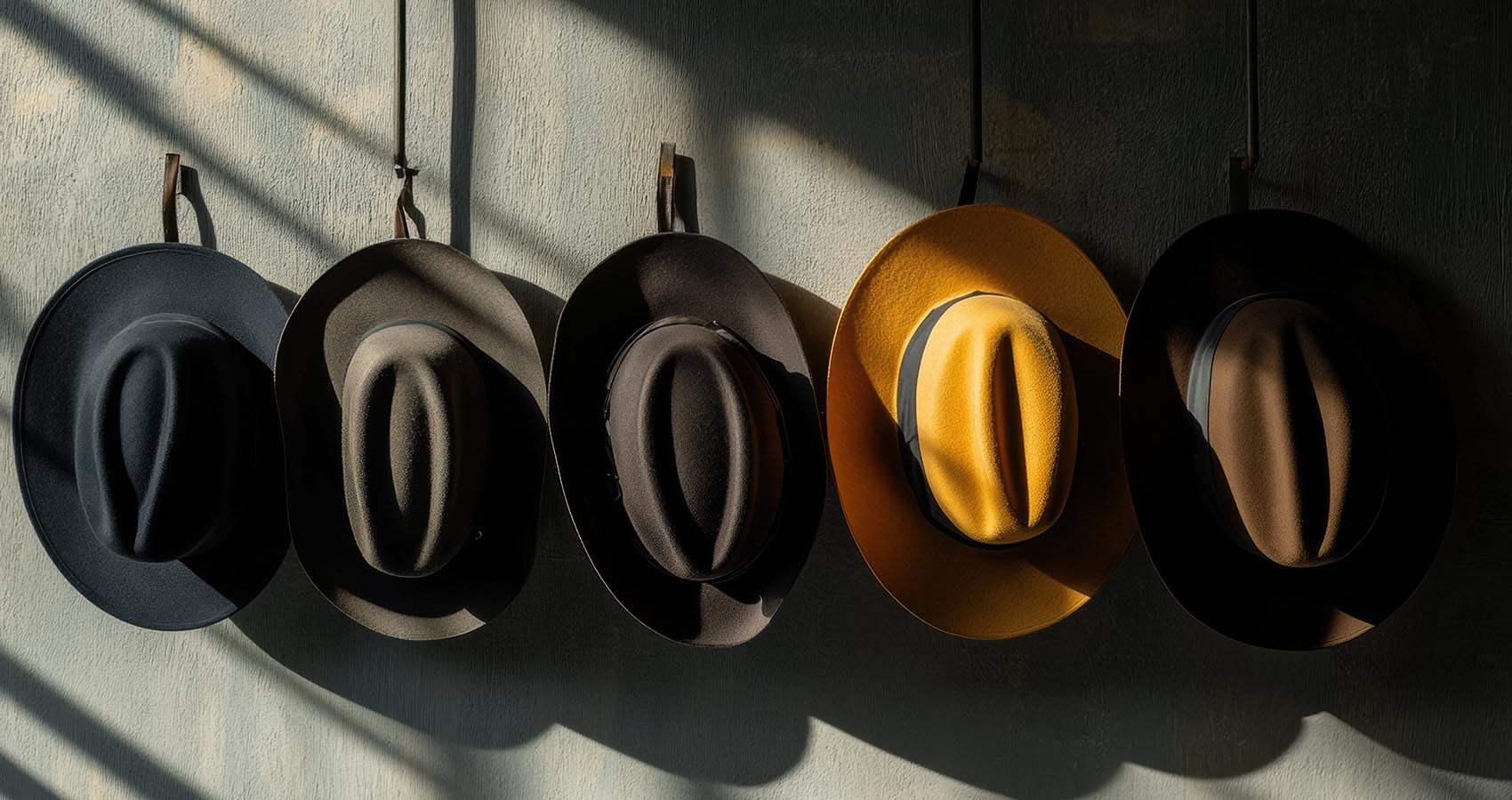
The Fedora Reimagined: Tradition Meets Contemporary Design
A timeless hat gets a fresh take for the modern wardrobe.
Some styles seem timeless, but that's exactly what allows them to evolve. Today, the designer fedora hat, a classic silhouette, remains modern and retains its original rigor and character. The soft crown, the creases, and the raised brim are all still there, but it looks new because of modern materials and craftsmanship.
From Historical Archetype to Modern Flexibility
The fedora was born as a shape that evokes the elegance of the early twentieth century. It went with business attire and, at the same time, became a symbol of a certain cultural moment.
The soft crown and center crease gave the hat a more relaxed look than formal styles. It is precisely this flexibility of construction that has allowed the fedora to survive numerous fashion cycles without losing its identity, remaining recognizable in any interpretation.
The material determines how the fedora will perform in a particular look. Thick felt creates a strict, minimalist silhouette suitable for a business context, while softer textures add a relaxed, warm feel.
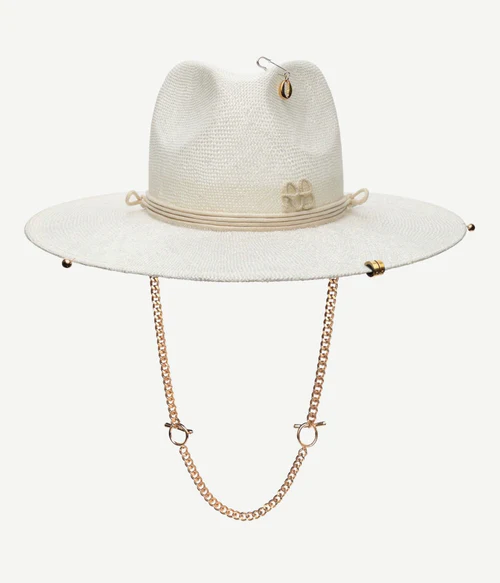
This is the principle upon which the Ruslan Baginskiy brand builds its approach. The fedora here doesn't literally replicate its historical archetype. It acquires a new proportion and fit that suits the modern pace of life.
Flexibility of Shape in a Modern Wardrobe
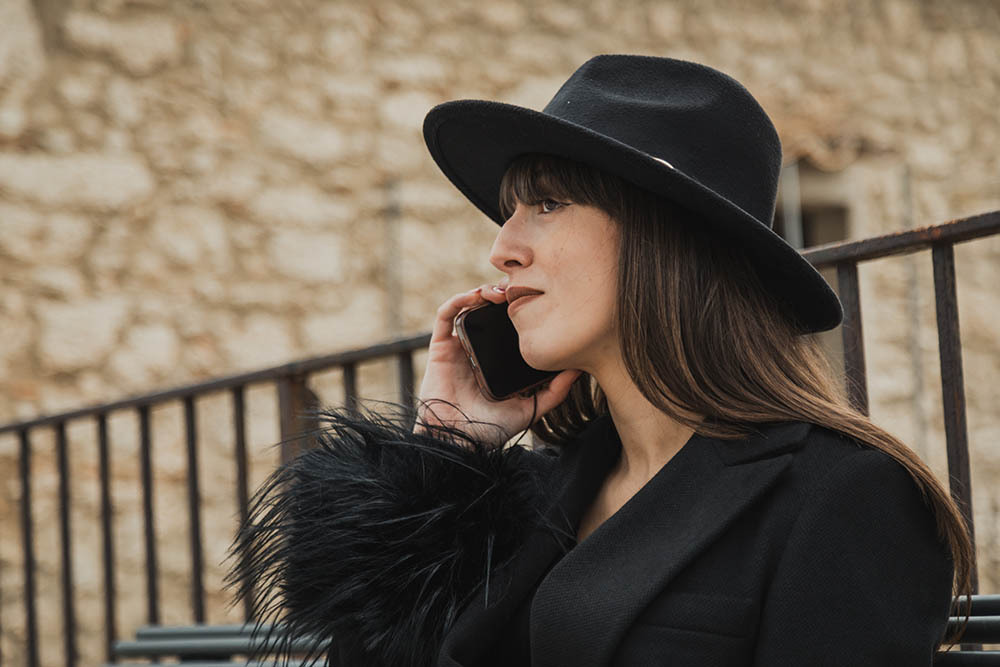
The fedora has the rare ability to work in a variety of contexts while remaining recognizable in each. With a business suit, it adds completeness and character, and with more casual clothing, it creates an interesting contrast of textures. Several principles help unlock the potential of this shape in a modern wardrobe:
- choose the angle of the folds consciously;
- pair with clean lines;
- play with the width of the brim;
- don't overload the look with accessories;
- choose a color that matches the overall palette;
- use felt for formal looks.
It's also important that a fedora easily changes tone depending on how it's worn. A slight tilt adds a touch of daring, while wearing it straight creates a sense of formality and control.
This fluidity makes the fedora a convenient tool for those who want to vary the mood of their look without completely changing their wardrobe. It is this flexibility that distinguishes the fedora from more formal styles that require a single, correct wearing pattern.

Cultural Heritage Reimagined
The fedora carries a cultural weight shaped by cinema, music, and a certain mid-century aesthetic. This association hasn't become outdated but rather has transformed. Today, the shape gives a nod to the past without copying it.
The best brands stay true to the fedora's roots without turning it into a costume. That's why it remains a part of modern collections — not because of nostalgia, but because its timeless style still works today.
Conclusion
The fedora remains one of the few hats capable of combining strict tradition with modern, flexible interpretation. It retains its historical character while acquiring precision through materials and craftsmanship.
This is why this hat continues to find a place in the wardrobes of those who appreciate a time-tested shape that lives in the present, not in archival references to the past.








 Connect with Facebook