




AR Makeup Try-On: Are Beauty Filters Finally Becoming Useful?
How virtual makeup is turning filters into smarter beauty shopping tools.
Beauty filters used to have one main job: make you look suspiciously well-rested.
They smoothed skin, sharpened cheekbones, enlarged eyes, and quietly introduced a more polished version of your face before you had time to ask what had changed.
Now, filters are evolving.
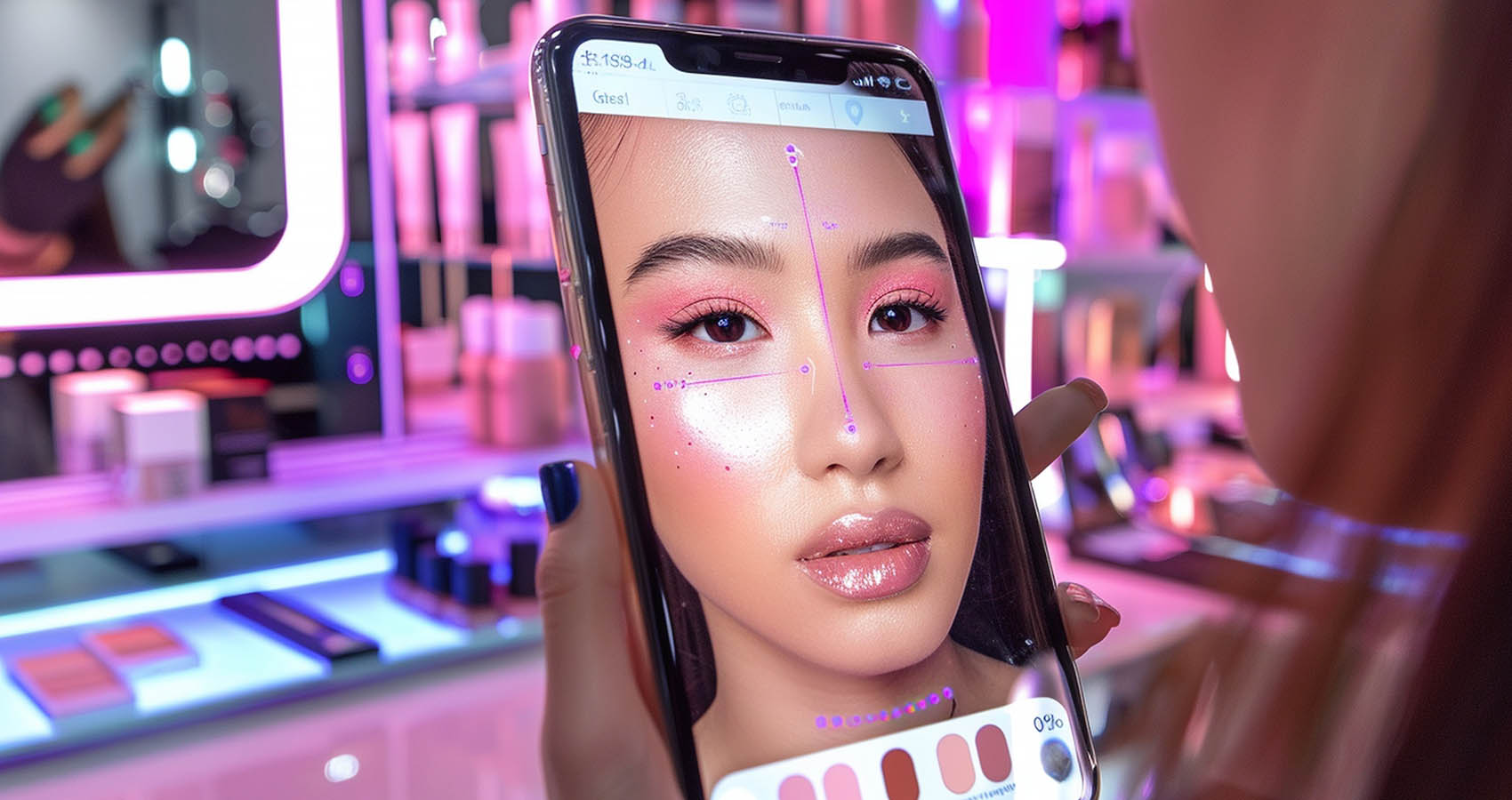
Instead of simply editing our appearance, AR makeup try-on is becoming a practical beauty-shopping tool. Through a phone camera, website, TikTok effect, or in-store mirror, shoppers can virtually test lipstick, eyeshadow, eyeliner, blush, foundation, and complete makeup looks in real time.
The technology promises to make beauty shopping faster and more personal. But can virtual makeup try-on genuinely help users choose products—or has the beauty industry simply created a more convincing digital illusion?
From Beauty Filters to AR Makeup Try-On
The first generation of beauty filters focused mainly on transformation. They added glitter, dramatic lashes, fantasy makeup, and digitally flawless skin. Accuracy was never the point; entertainment and shareability were.
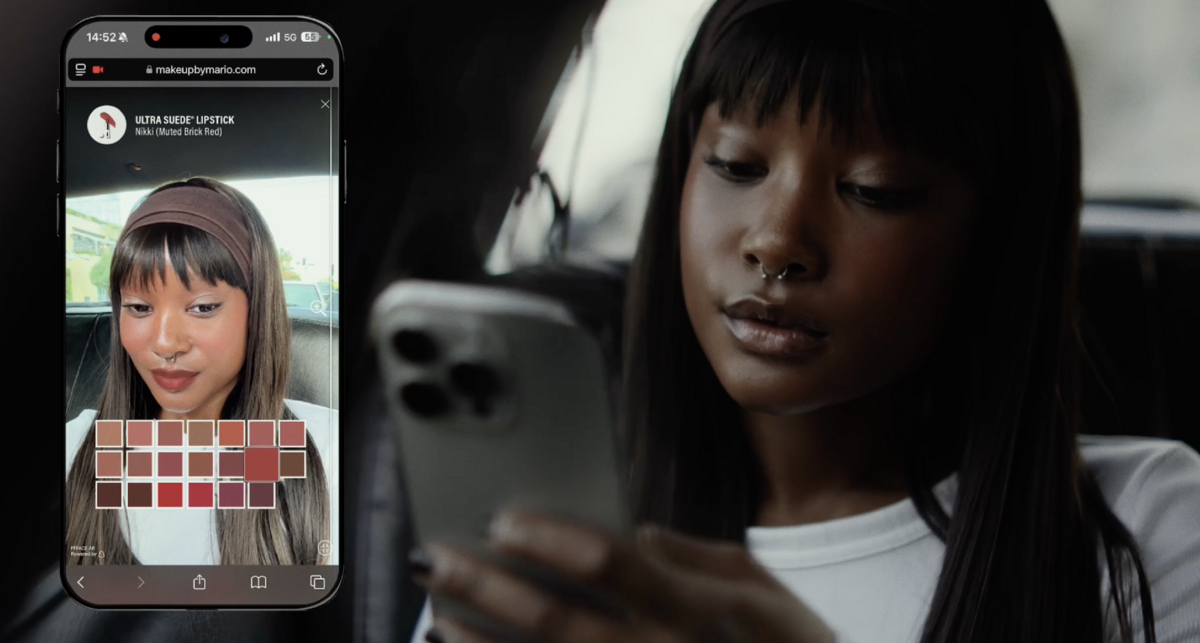
AR makeup try-on works differently. It attempts to recreate real products and shades on the user’s face. Shoppers can compare lipstick colors, switch between eye looks, or explore an entire collection without touching a physical tester.
The camera identifies features such as the lips, eyes, eyebrows, and facial contours, then applies the selected product as the user moves.
The best experiences feel immediate. There is no tester to clean, no makeup to remove between shades, and no pressure to ask a sales assistant for help. You simply open the camera and start experimenting.
Why Gen Z Is Ready to Try Makeup Online
For Gen Z, beauty discovery rarely begins at a traditional makeup counter.
It starts with a TikTok transition, a “get ready with me” video, a celebrity red-carpet look, or a creator testing five shades under questionable bathroom lighting.
Beauty trends now move at algorithmic speed. One week, everyone wants glossy, barely-there makeup. The next, it is metallic eyeshadow, blurred lips, bleached brows, or dramatic liner inspired by a newly released show.
AR beauty try-on fits naturally into this cycle because it makes experimentation instant. Users can try makeup online, compare shades, share the result with friends, or decide that a viral purple lipstick should remain safely inside the screen.
For a generation comfortable with avatars, filters, and evolving digital identities, virtual makeup does not feel futuristic. It feels like the next step between discovering a look and trying it.
Beauty Shopping Without the Tester Drama
Physical makeup testers are not always the glamorous part of beauty shopping. They can be messy, unavailable, heavily used, or positioned under lighting that changes how every shade appears.
AR makeup try-on removes some of that friction. Shoppers can explore multiple products in minutes and return to previous looks instantly.
Online, it also offers more context than a product image against a white background. A virtual lipstick try-on at least attempts to answer the question every shopper asks:
“What would this look like on me?”
For brands, virtual try-on makes large shade ranges easier to explore. For shoppers, it offers a lower-pressure way to test bold products they might hesitate to apply in public.
From Filter to the Virtual Beauty Counter
FFFACE.ME has developed beauty AR experiences across social media, e-commerce, and physical retail.
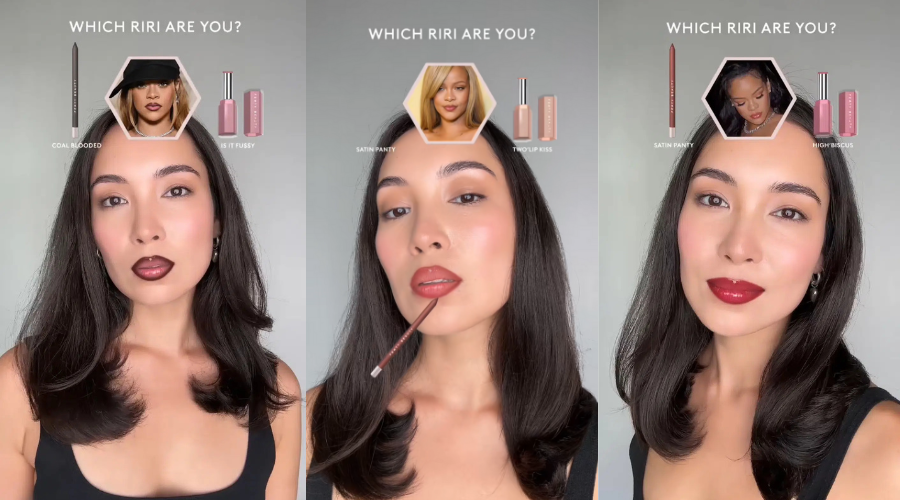
For Fenty Beauty, the “Which RiRi Are You?” TikTok effect transformed Rihanna-inspired beauty personas into a social experience that generated more than 155,000 user-created videos and tens of millions of impressions.
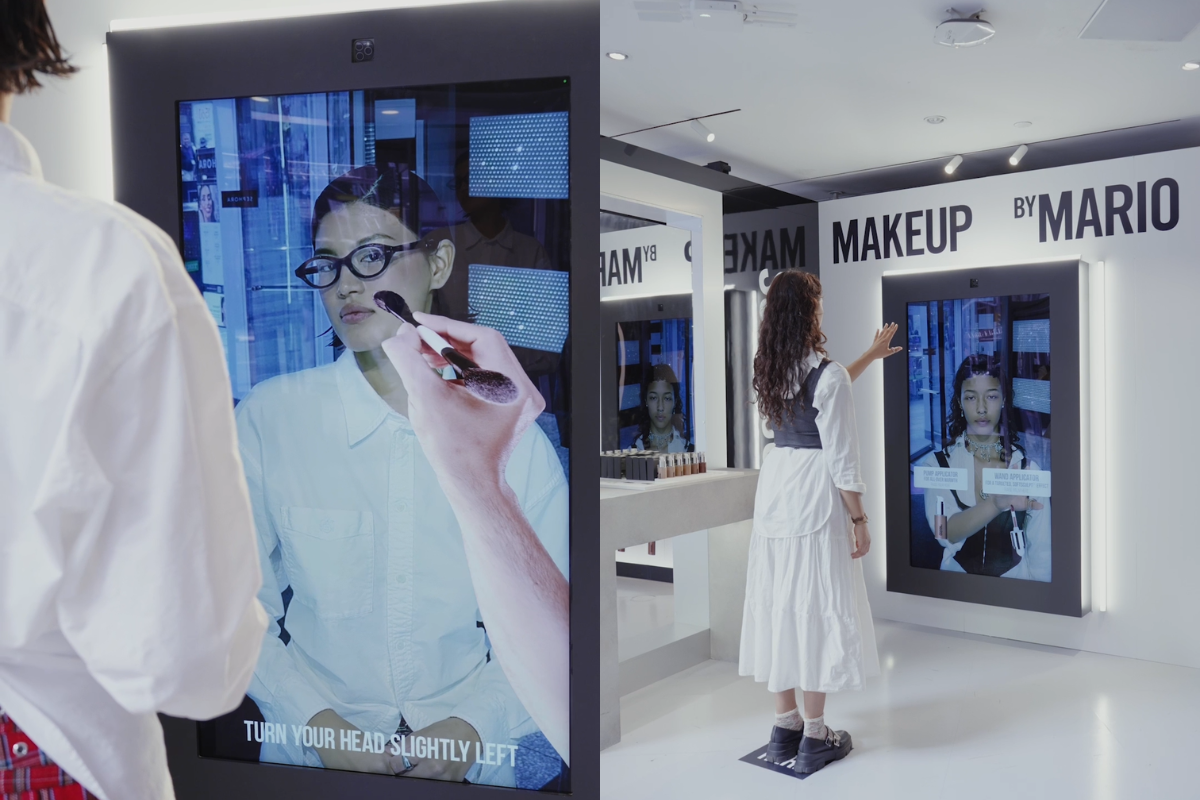
For Makeup by Mario, an AR mirror at Sephora Times Square introduced shoppers to the makeup artist’s products and allowed them to virtually explore the look before moving toward the shelf. For Kint Cosmetics, a WebAR experience made 20 concealer shades available to try directly through a phone.
Other beauty brands are exploring different sides of the same shift. Prada Beauty has used virtual lipstick try-on to let users experiment with six Monochrome shades, while broader AR campaigns for L’Oréal and Maybelline have transformed beauty launches, retail screens, and social effects into participatory experiences.
Together, these cases show how AR makeup try-on can move across the entire beauty journey: from TikTok discovery and mobile product testing to interactive mirrors inside stores.
The Beauty Store Becomes Interactive
In-store AR mirrors and interactive displays can turn physical beauty retail into a more playful, self-directed experience.
Instead of simply viewing a campaign, shoppers can test products, switch between complete looks, and create photos or videos without applying anything physically.
Innovation agency FFFACE.ME and its technology platform LOOOK.AI bring these experiences into storefronts, beauty counters, events, and retail screens. This transforms the store from a place where products are only displayed into a space where customers can experiment and participate.
That participatory element matters for Gen Z. Younger shoppers do not only want to see the campaign face.
They want to become it.
Is Virtual Makeup Making Shopping Smarter—or Faster?
Virtual makeup try-on can help shoppers compare products and avoid unsuitable purchases. Fewer wrong shades could mean fewer returns and fewer products abandoned at the bottom of a makeup bag.
But the technology can also make shopping more impulsive.
When trying a product takes one second, users can move through dozens of options without considering whether they need any of them. The experience can quickly become a game: tap, switch, save, share, buy, repeat.
Its impact depends on how brands design it. Does the experience help users choose carefully—or keep them trying products until something becomes irresistible?
What a Trustworthy AR Makeup Try-On Should Do
A trustworthy AR makeup try-on should do more than produce a flattering image.
It should represent product shades and details as accurately as possible, work across different faces and skin tones, and avoid changing facial features unless the user deliberately chooses that effect.
Privacy matters too. A physical mirror does not normally store your face, but an AR-powered camera might. Users should know whether their images are saved, how their data is processed, and how it can be deleted.
The experience should also explain its limitations. Virtual try-on can support discovery, creativity, and comparison, but it may not perfectly reproduce texture, wear, or exact color in every environment.
The best systems will not be the ones that make everyone look flawless. They will make the experience transparent, inclusive, and useful.
So, Is AR Makeup Try-On Finally Useful?
Yes—but only when it stops pretending to be a perfect mirror.
AR makeup try-on can make beauty discovery faster, more playful, and more personal. It allows users to explore shades without pressure and connects social inspiration with products they can actually buy.
It becomes less useful when it quietly edits the person along with the makeup or treats a flattering image as proof of accuracy.
Beauty filters are no longer only fantasy tools. They are becoming virtual makeup counters, retail platforms, and product-discovery channels.
That makes them more powerful—and gives brands more responsibility.
The future of virtual makeup try-on will not depend only on whether it looks realistic.
It will depend on whether users can trust what they see.








 Connect with Facebook