




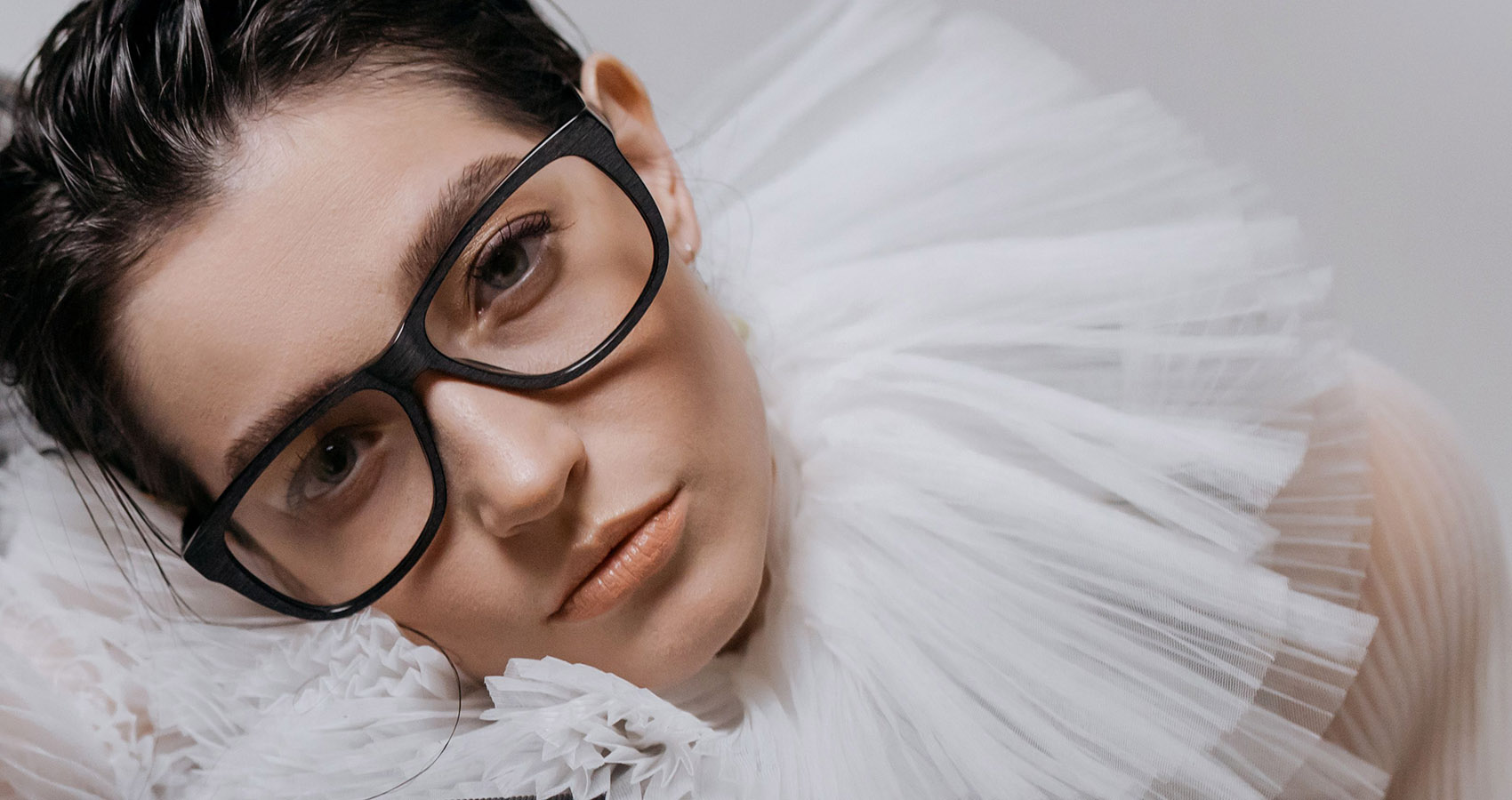
ZEELOOL Best Seller Glasses: Eyewear Styles That Are Trending Now
The eyewear trends worth trying right now.
Eyewear is having a bit of a moment, and thankfully, there isn't just one frame shape we're all supposed to be wearing. Slim rectangles, tiny ovals, oversized frames, delicate metal rims — they're all happening at once. Which is great news if you're anything like me and would rather choose glasses based on your outfit and mood than follow one “it” shape.
A retailer-specific collection like ZEELOOL best seller glasses is a pretty easy place to start. The “best seller” label reflects ZEELOOL's own sales and merchandising, rather than an independent industry ranking, so think of it as a curated starting point rather than a guarantee that every frame will work for everyone.
Once you've found a shape you're into, you can browse the wider selection of ZEELOOL glasses to compare different colors, widths, and materials. I’d start with the overall shape, then think about measurements and lens requirements, and only then get into the fun part: color and finish. ZEELOOL glasses also make sense if you like having a few different pairs in rotation for work, everyday wear, travel, or simply because matching your glasses to your outfit is fun. Prescription lens customization is available, along with return, exchange, and warranty support.

Current trends cover more than one style personality
Slim horizontal frames are perfect if you like your glasses to look polished and understated. Narrow rectangles and shallow ovals create a clean little line across the face and work especially well with tailoring, monochrome outfits, and minimal layers. The only thing to keep in mind is that a smaller lens area isn't necessarily going to work for every prescription or lens design.
Small wire frames offer another, even quieter option. Fine metal rims give your face a little definition without making your glasses the main event. Round and softly geometric versions can also bring in a subtle retro feel without making you look like you're in costume.
Then, of course, there are the oversized frames. Large aviator-inspired and rounded shapes can make even a very basic T-shirt, pair of jeans, or neutral coat feel a little more considered. They're especially good if you want your glasses to become part of the outfit rather than simply something you need to wear. Just remember that what's fun as a fashion reference isn't automatically the most practical option for everyday prescription lenses.
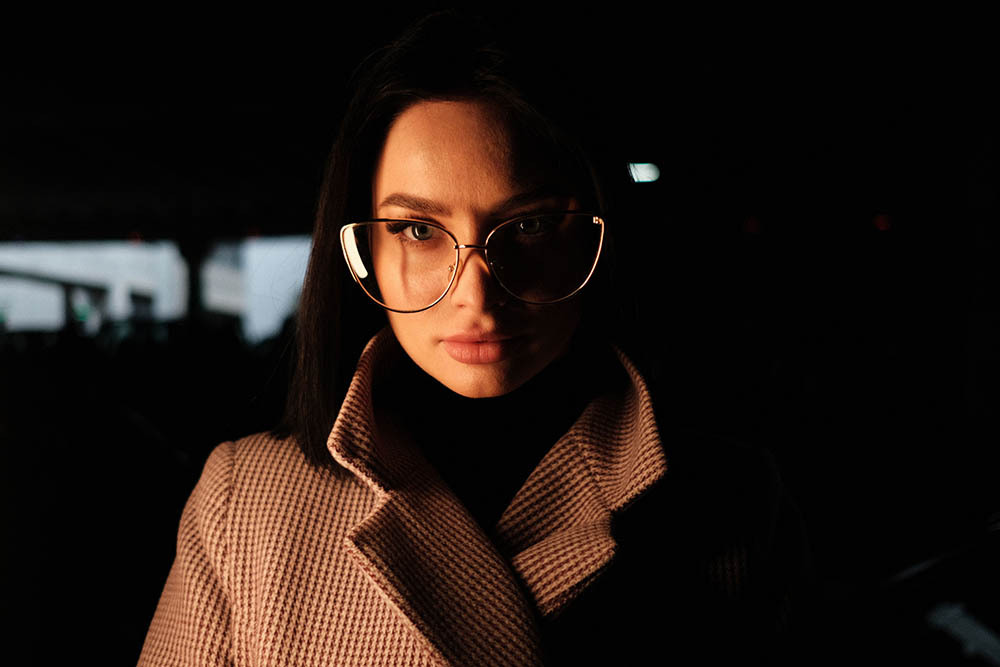
Cat-eye and geometric frames are where things get a little more playful. A softer cat-eye gives you that lifted shape without going full dramatic wing, while clipped corners and subtle angles can make an otherwise neutral frame feel much more interesting. They're also an easy way to add personality when the rest of your outfit is fairly simple.
Choose a style family before choosing a product
If you start opening dozens of individual product pages, it becomes surprisingly difficult to tell one frame from another. Instead, I'd pick two or three styles you're naturally drawn to and give each one a purpose.
A narrow rectangle can give you that crisp, compact look, while a soft oval feels more relaxed and retro. Cat-eye frames bring a little lift to the face, geometric shapes feel more sculptural, and aviator-inspired frames have that easy, slightly oversized appeal. Then, of course, there's the oversized frame if you're looking for something that really becomes part of the outfit.
For your everyday pair, I'd go for something that feels just as natural with your work clothes and errands as it does with your going-out outfits. Then you can have more fun with a second pair — something a little more dramatic that does something your everyday frames don't.
Treat face shape as a prompt, not a rule
We've all seen those face-shape guides telling us which glasses we're supposedly “allowed” to wear. Personally, I think they're better treated as inspiration than actual rules.
Angular frames are often suggested for softer features, while rounder or oval shapes are commonly recommended for stronger jawlines. But either direction can work if the proportions, brow line, bridge, and color feel right on you.
A fun way to figure out what you actually like is to compare a shape you're already comfortable with against something completely different in a similar width. You might discover that your usual narrow rectangle looks even better with softened corners, or that your favorite little oval suddenly feels much more interesting with a thicker rim or stronger color.
The point isn't to “correct” your face. It's simply about deciding how much contrast and visual weight you want your glasses to bring to your look.

Let color and material define the mood
Black acetate is an easy classic. It gives you a strong outline and works with pretty much every high-contrast basic in your wardrobe. Brown and tortoiseshell feel a little softer, while clear and translucent frames can make a larger shape look much lighter on the face.
And then there are the colors. A saturated frame can turn your glasses into the focal point of an outfit, which is particularly fun if the rest of your wardrobe tends to stay neutral. You can even pick up a color that's already hiding somewhere in your closet so the glasses feel like part of the outfit rather than a random addition.
Metal frames create a finer, more delicate line than acetate. Gold and silver tones can look polished without taking over your face, while thicker acetate gives you more space to play with color, pattern, and sculptural shapes. Of course, the material alone doesn't determine whether a pair is comfortable or durable — construction, lenses, and fit all matter too.

Check the details that determine daily wear
Once you've found a frame you love, it's time for the slightly less glamorous part: the measurements.
A pair of glasses you already love is a great reference point. The three numbers usually printed inside the temple indicate lens width, bridge width, and temple length. Starting with similar measurements can make the search much easier, although things like the shape of the bridge, total frame width, lens depth, and curve of the temples can all affect how a pair actually feels.
Before ordering, compare the lens width and height with a pair you already know works for you, check the bridge dimensions and design, and make sure the temple length and overall frame width feel appropriate. It's also worth checking which lens options are available for your prescription, as well as the seller's return, remake, and adjustment policies.
Virtual try-on is definitely useful for getting a feel for the color and general scale of a frame, but unfortunately, your phone can't tell you whether a pair is going to pinch behind your ears. Once they arrive, wear them around for a while and see whether they slip when you look down, press behind your ears, or sit too close to your cheeks or eyelashes.
If you have a stronger prescription or wear progressive lenses, there can also be extra considerations around lens thickness, weight, and vertical lens space. In that case, it's worth checking the seller's prescription-support process or speaking to an optical professional rather than choosing purely based on how cute the frame looks.
Because ultimately, trends are great for giving you ideas, and a best-seller collection can make finding those ideas much easier. But the best pair is still the one that fits comfortably, works with your lenses, and makes you want to put it on even when you aren't thinking about glasses at all.








 Connect with Facebook