





Why Botox Remains The Most Popular Cosmetic Treatment
Fast, trusted cosmetic treatment with minimal downtime and lasting results.
Botox continues to lead cosmetic medicine for practical reasons. Many adults want softer expression lines without surgery, heavy swelling, or weeks away from work. Results usually appear within a short timeline and fade gradually, which gives patients a sense of control over the process. Long-term clinical use also matters. Familiarity lowers anxiety, and predictable treatment patterns help explain why Botox still sits at the center of aesthetic care.
Broad Public Trust
Trust is a strong driver of demand in cosmetic medicine. Patients usually prefer treatments with a long track record, brief appointments, and outcomes that feel easy to picture. In regions where interest stays high, practices recognized as a botox leader in north Florida often see that pattern, which often reflects confidence in a familiar injectable, not impulse. Recognition tends to reduce hesitation before a first visit.
Fast Results With Minimal Downtime
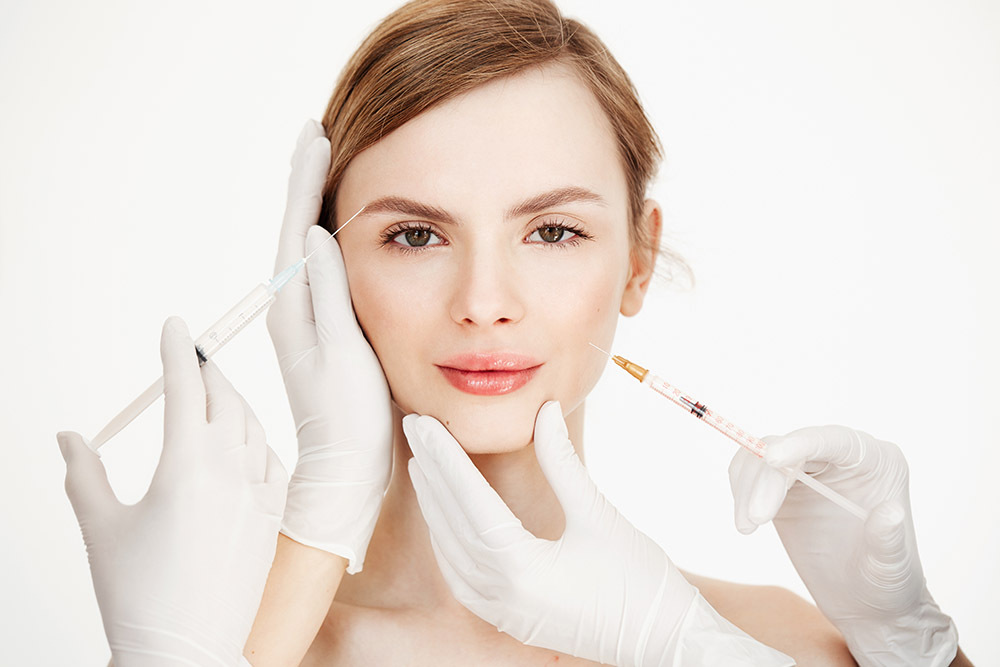
Speed is important for busy adults. Many Botox visits take only minutes, and daily routines often continue right after treatment. Early softening may show within several days, with fuller effect soon after. That schedule fits working parents, office professionals, and caregivers who cannot set aside time for recovery. For many people, convenience shapes the decision almost as much as the cosmetic result itself.
Predictable Cosmetic Goals
Most patients do not want a completely different appearance. They want to soften repetitive movement in areas that are prone to creasing, such as the glabella, forehead, and outer eye region. Botox works by reducing nerve signaling at selected neuromuscular junctions, which limits muscle contraction strength for a period of time. Because the effect wears off, many adults feel comfortable starting there. Temporary change can feel safer than a permanent procedure.
A Strong Safety Record
A long safety history also supports Botox's continued popularity. Physicians have used botulinum toxin in medical and aesthetic settings for many years, providing the field with a broad base of observation. Typical side effects are limited, short-lived, and linked to injection technique or normal tissue response. Experience matters here. Familiar treatment patterns help patients move forward with less uncertainty and more realistic expectations.
Cost Is Often Manageable
Elective care always involves cost. Botox often feels within reach because dosing can be adjusted based on treatment area, muscle strength, and cosmetic goals. A patient may address frown lines first, then return later for forehead balancing or crow's feet. That flexibility lowers the barrier for newcomers. It also helps regular patients plan upkeep without committing to surgery, anesthesia, or a major upfront expense.
Social Visibility Matters
Botox has a unique level of social visibility. People hear about it from friends, relatives, colleagues, and public figures long before sitting in a consultation room. The name itself is widely recognized, which reduces confusion during early research. Familiar language can calm decision fatigue. Many consumers start with Botox because they already understand its basic purpose, then compare other injectables or procedures after learning what matches their goals.
Market Data Supports Demand
Demand remains strong because Botox aligns with how many adults prefer to manage changes in appearance. The visit is short, the mechanism is well understood, and maintenance can be planned.
Why Demand Stays Strong
Repeat treatment patterns account for much of Botox's staying power. Its effect fades over months, so satisfied patients often return on a regular basis. That creates ongoing demand instead of one-time curiosity. Clear expectations also contribute to satisfaction. Patients usually understand what Botox can soften, how long results may last, and why muscle activity slowly returns. Predictability tends to support satisfaction and word-of-mouth referrals.
It Appeals to People Across Age Groups
Botox reaches several age groups for different reasons. Younger adults may use it to soften early dynamic lines before they settle more deeply into the skin. Middle-aged patients often seek smoother expression with preserved facial identity. Older adults may add it to lasers, fillers, or skin treatments for a more comprehensive refresh. Few cosmetic options remain as relevant across decades of adult life with such consistent public interest.
Provider Skill Shapes Outcomes
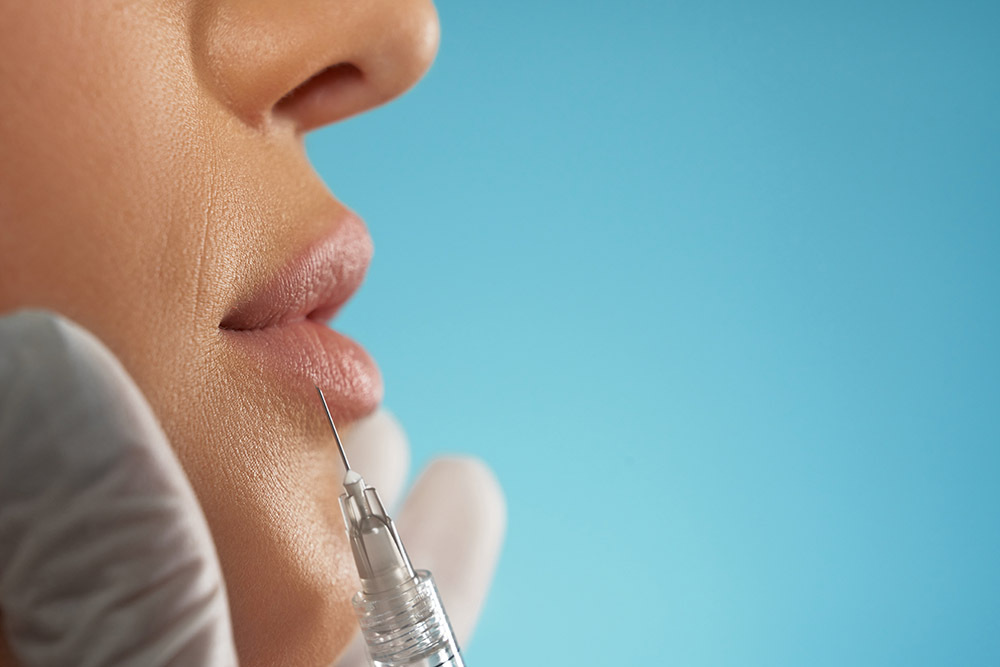
Strong outcomes depend on anatomy, assessment, and restraint. Botox is not a one-size-fits-all injectable because muscle pull varies by sex, age, facial structure, and habitual expression. Thoughtful injectors study symmetry, brow position, eyelid support, and line pattern before selecting dose and placement. That clinical judgment matters. Patients usually recognize that an experienced hand can preserve natural movement while reducing harsh, repetitive creasing.
Conclusion
Botox remains the most popular cosmetic treatment because it answers several patient priorities at once. It is familiar, adjustable, quick to receive, and backed by extensive clinical use. People can soften visible lines without surgery or a long recovery period, keeping the option accessible across many age groups. As demand continues to favor subtle change with limited interruption, Botox is likely to remain a leading choice in aesthetic medicine.










 Connect with Facebook