




Throning Explained: When Dating Becomes a Status Symbol in 2026
Where dating turns into a status game instead of a connection.
Somewhere between situationships, soft-launches, and emotionally unavailable texting patterns, dating has officially entered its performance era again. And now there’s a new one quietly sitting in the mix: throning.
No, it has nothing to do with Game of Thrones. Unfortunately.
Throning is what happens when you date someone less because of who they are… and more because of what they do for your image.
It’s not always obvious, either. It doesn’t scream “I’m using you for clout.” It’s subtler than that. Cleaner. More socially acceptable. The kind of thing that hides behind aesthetics, lifestyle alignment, and “we just look good together.”
Which is basically the point. Because in 2026, dating isn’t just about compatibility anymore — it’s about presentation. We’re all low-key curating relationships now.
The kind of person they are matters, yes. But so does how they photograph with you, how they look in your stories, how your friends react when you post them. How they elevate your perceived life, even when nothing else is really moving forward.
Throning is that quiet upgrade mindset applied to romance.
You don’t just ask: Do I like them?
You also ask: Do they make my life look like it’s going somewhere interesting?
And the uncomfortable part? Everyone understands this language now.
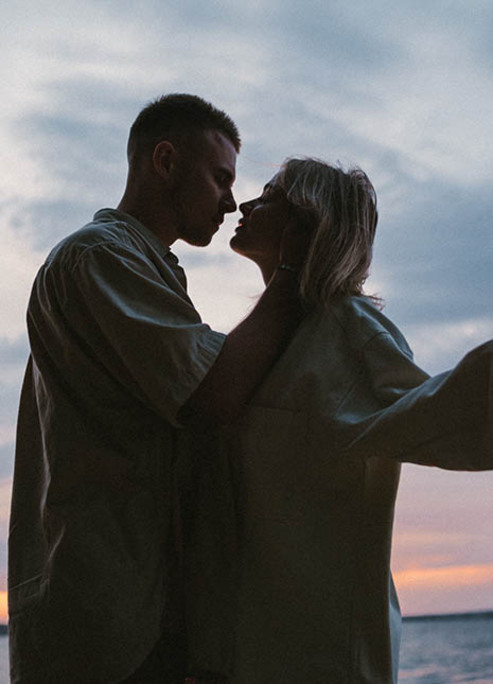
We’ve all seen couples where the vibe feels slightly… strategic. Not necessarily fake. Just intentionally positioned. Like two people arranged for maximum visual impact rather than emotional depth.
Good lighting. Good outfits. Slight emotional distance. Very “we’re fine,” but also very “don’t zoom in too closely.”
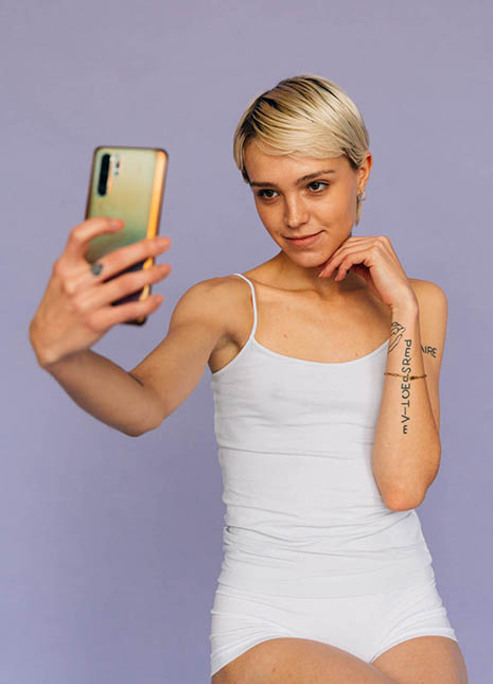
Throning thrives in the age of social visibility. Because when your life is constantly being interpreted through screens, even your relationships start to feel like branding decisions.
That doesn’t mean every attractive couple is throning each other. And it doesn’t mean chemistry isn’t real when someone is also aesthetically impressive. But it does mean the line between attraction and advantage has gotten blurrier.
You meet someone. They’re charming. They’re attractive. They have status, or taste, or a lifestyle that feels slightly elevated compared to yours. Suddenly you’re not just interested — you’re aware of the narrative.
And that awareness changes things. Now the relationship isn’t just happening. It’s being evaluated in real time. How it looks. How it feels externally. How it might be perceived.
Throning isn’t always manipulative. Sometimes it’s unconscious. Sometimes it’s just dating someone you admire and slowly realising you also like the version of yourself that exists next to them.
But there’s a difference between admiration and utility. Between “I really like this person” and “this person upgrades how my life appears.”
And that’s where things get messy.
Because throning can quietly replace emotional connection with aesthetic alignment, you stay because it looks good. You tolerate because it fits your image. You hesitate to leave because the “story” would no longer make sense.
And that’s when you realise you’re not just dating a person anymore. You’re maintaining a narrative. So what do you do about throning?
First, you notice when attraction feels performative instead of emotional. If you’re more excited about how someone fits into your life externally than how they feel internally, that’s usually a sign.
Second, you ask yourself a slightly uncomfortable question: If nobody could see this relationship, would I still want it?
Not as a dramatic breakup prompt. Just as a reality check. Because a relationship that only works in public is not really working. And finally, you separate admiration from attachment.
It’s okay to be drawn to someone’s style, status, or presence. But if that becomes the foundation, you’re not building connection — you’re building optics.
And optics don’t hold you when things get real.
Throning looks like dating. It looks like chemistry. It even looks like ambition sometimes. But underneath it, it’s often just selection based on visibility rather than emotional depth.
And the scariest part?
It works.
Until it doesn’t.
Because eventually, even the most beautiful storyline needs something real underneath it to survive off-camera.









 Connect with Facebook