




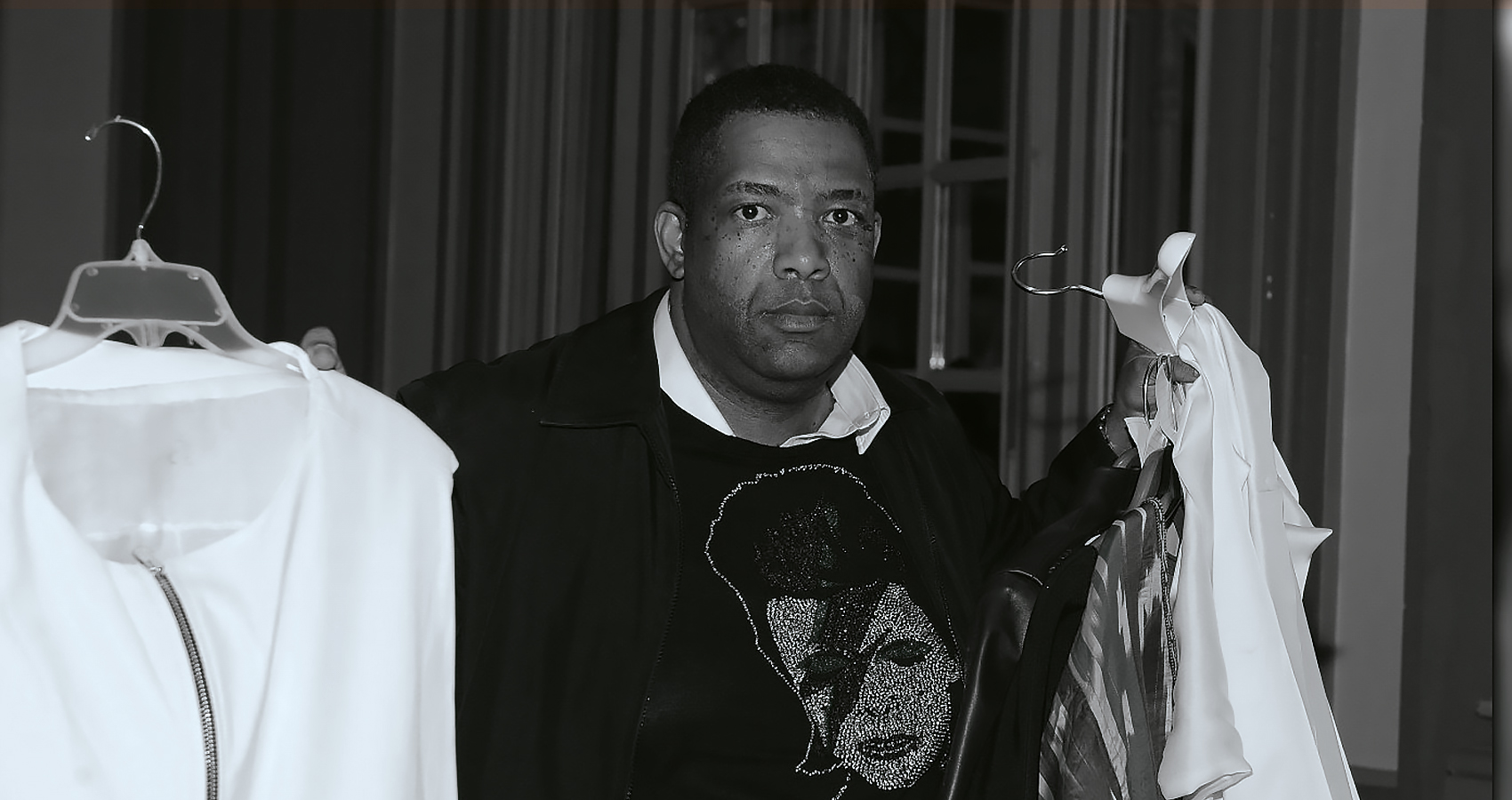
Fashion Lost One Of Its Quiet Architects This Week
Celebrity stylist Kithé Brewster has died at the age of 60
There’s a specific kind of fashion person who never becomes louder than the celebrity standing next to them, but still shapes the entire visual language of an era. Brewster was one of those people.
The industry talks constantly about designers, campaigns, creative directors, and front rows, but stylists are often the invisible architecture underneath celebrity culture. They build perception. They create the image people remember years later, without most audiences ever learning their names.
And honestly, when someone like that disappears, fashion feels it immediately.
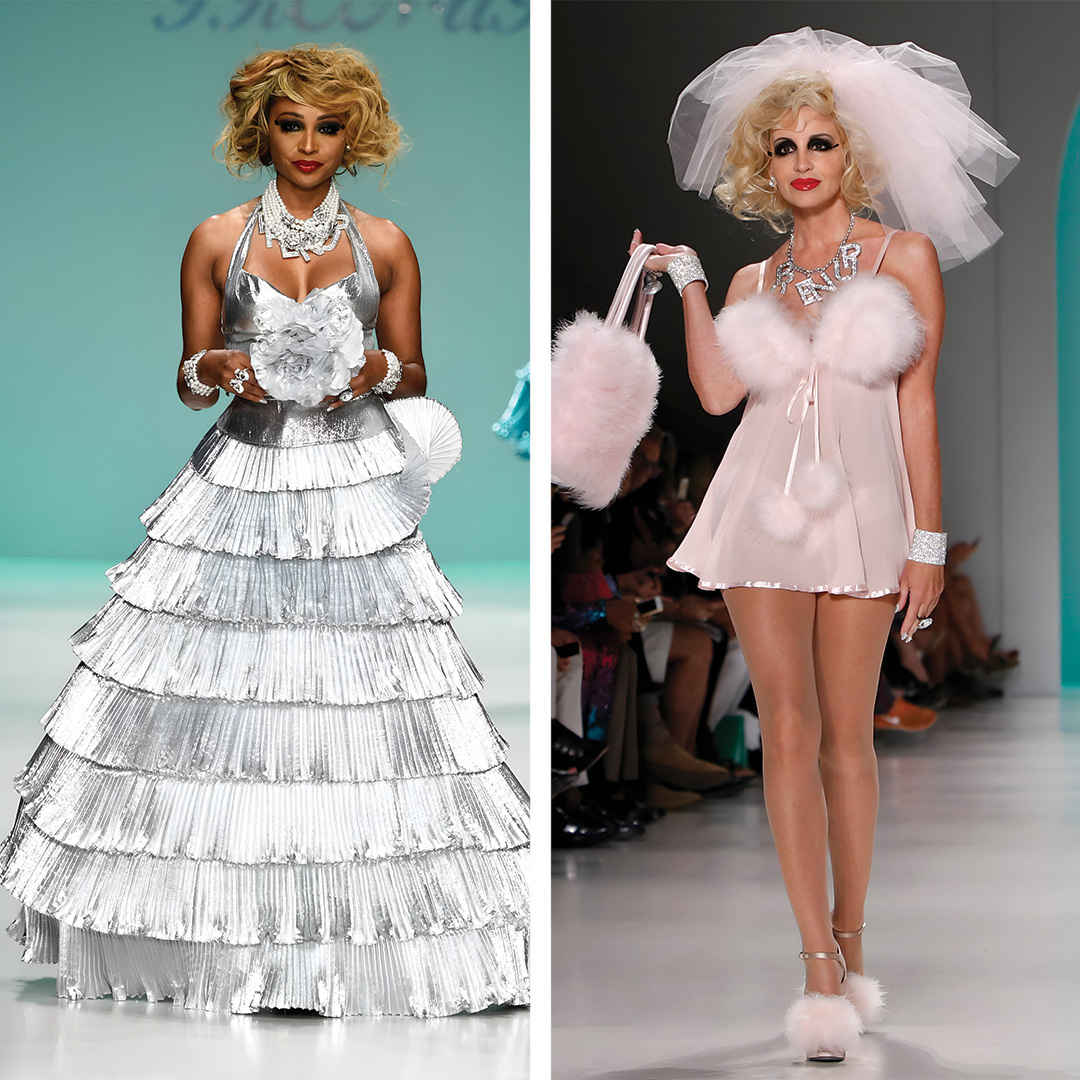
Styling Used To Feel More Personal
Modern celebrity styling can sometimes feel hyper-strategized now. Every outfit is dissected for virality before it even hits the carpet. There are brand obligations, social metrics, meme potential, TikTok edits, “internet-breaking moments.” Sometimes the actual person inside the clothes almost disappears.
Stylists from Brewster’s generation approached image-making differently.
There was still glamour, obviously, but there was also intuition. Personality. Imperfection. The goal wasn’t always to dominate the algorithm. Sometimes it was simply about making somebody look undeniably themselves at the exact right cultural moment.
That’s part of why older celebrity fashion eras still linger in people’s heads so vividly. The looks felt attached to identity instead of content cycles.
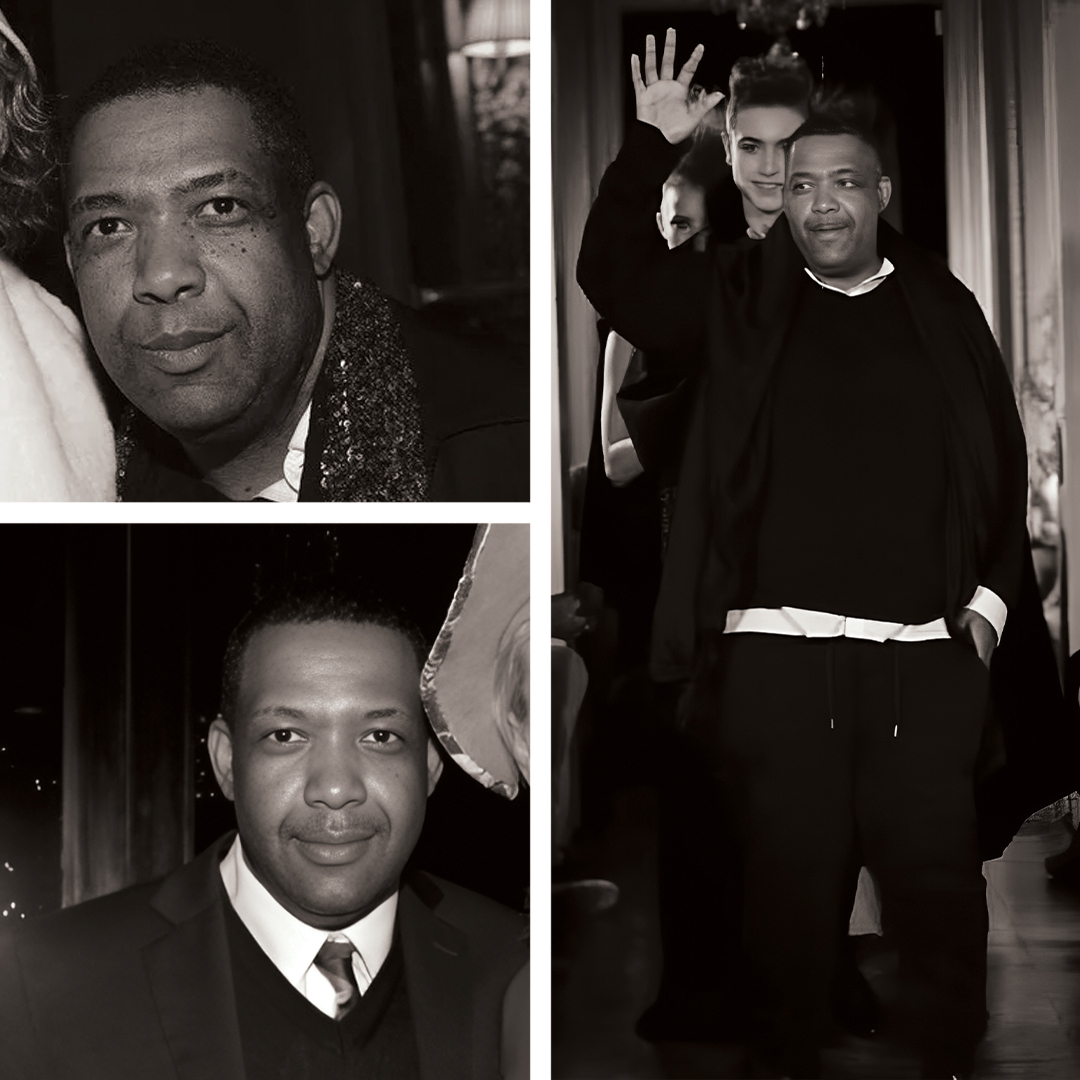
Fashion’s Most Important Figures Aren’t Always The Loudest Ones
One thing that keeps happening lately is people rediscovering how many influential creatives shaped fashion quietly from behind the scenes.
Especially now, when the industry rewards visibility so aggressively.
There’s almost something radical about people who spend decades creating without turning themselves into a personal brand. Brewster’s legacy feels tied to that older version of fashion where relationships, trust, instinct, and long-term collaboration mattered more than constant online presence.
And you can feel younger creatives craving that energy again, too.
A lot of Gen Z fashion culture looks chaotic on the surface, but underneath it, there’s a growing exhaustion with hyper-commercial perfection. People miss individuality. They miss emotional texture. They miss style that feels lived-in instead of machine-optimized.
That’s often the difference stylists like Brewster brought into celebrity image-making. The looks didn’t just photograph well. They carried atmosphere.
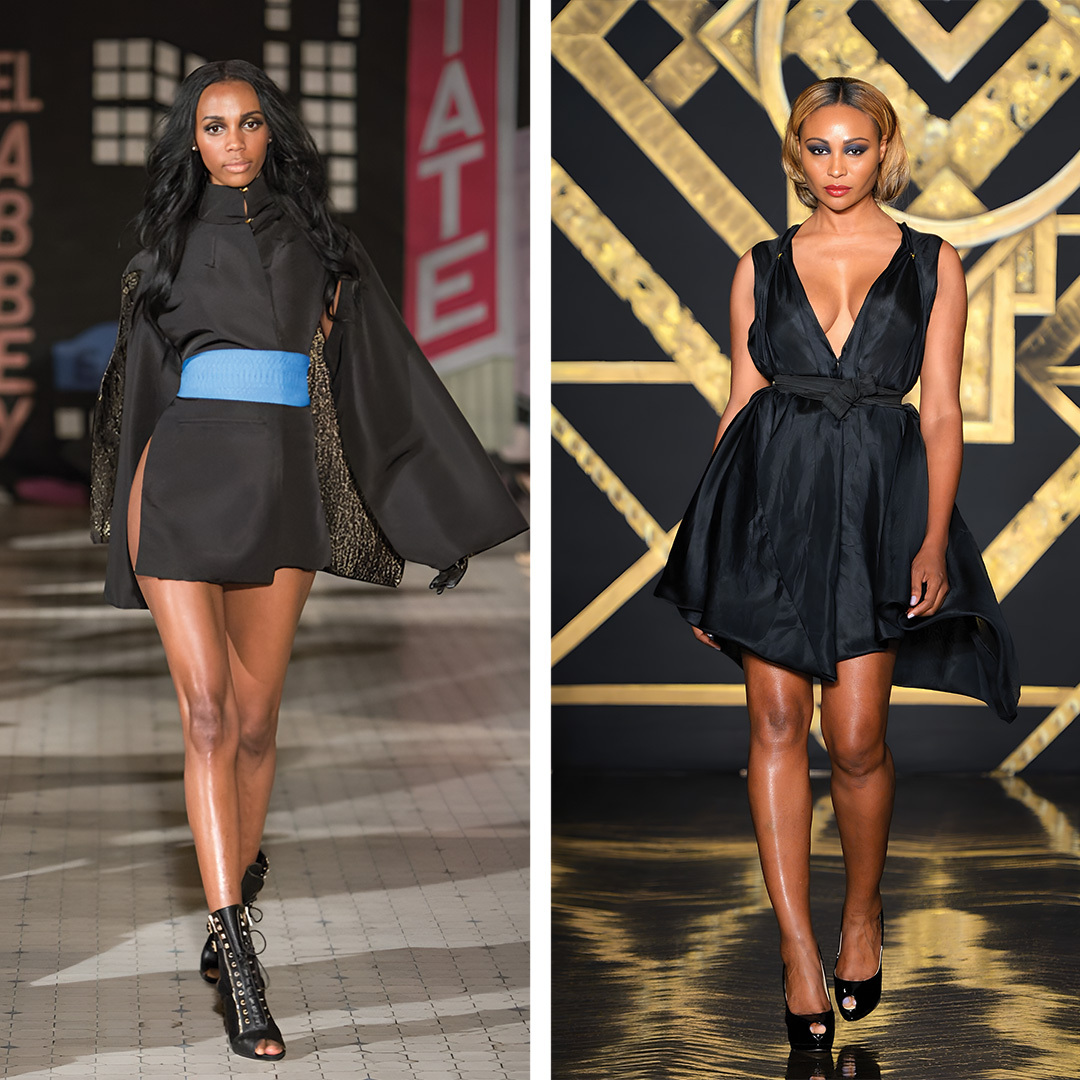
The Fashion Industry Has Been Sitting With Loss A Lot Lately
There’s also something heavier happening culturally right now, where fashion keeps confronting the fragility underneath all the glamour.
For an industry built around youth, beauty, movement, parties, launches, and constant novelty, moments like this interrupt the illusion completely. Suddenly everybody remembers there are real human beings behind the images people endlessly repost online.
Assistants. Stylists. Makeup artists. Editors. Hair teams. Creative collaborators. Entire emotional ecosystems holding celebrity culture together.
And when one of those people disappears, the grief moves through the industry differently than audiences usually realize.
Because fashion, despite all its surface-level chaos, is still deeply relationship-driven underneath everything else.
Legacy In Fashion Is Strange
The interesting thing about stylists is that their work rarely belongs fully to them. It exists through other people’s faces, bodies, campaigns, premieres, and magazine covers.
Which means their influence becomes woven into culture almost invisibly.
You might not immediately recognize every name behind fashion history, but you’ve absolutely absorbed their visual language somewhere. A red carpet moment. A silhouette. A mood. A version of celebrity that shaped how an entire era looked.
That kind of impact doesn’t disappear just because the person does.









 Connect with Facebook