




Crafting Your Perfect Road Trip Playlist And Itinerary
Build the perfect soundtrack and route for your next road trip.
A memorable road trip needs two plans working together: a route that keeps you interested and a playlist that matches the changing pace of the drive. Add sensible packing, regular breaks and a simple way to record the experience, and the trip becomes much easier to enjoy.
The best preparation also leaves room for detours. Plan the essentials before departure, then keep enough flexibility to stop at an unexpected viewpoint, explore a small town or extend lunch at a place that deserves more time.
Soundtrack for the Journey
Start your road trip playlist with the length of the route. A two-hour coastal ride may need 35 to 40 tracks, while a full day on the road calls for several hours of music plus downloaded podcasts or audiobooks. Aim for more audio than you expect to use so that repetition doesn’t set in before the final stretch.
Build the playlist in phases. The opening section can feel upbeat without reaching maximum energy straight away. Save bigger tracks for open roads and long afternoon sections, then shift toward calmer music as daylight fades. GQ’s road trip playlist advice suggests treating the selection as an experience with its own flow, which is more engaging than dropping favorite songs into a random queue.
Shared trips benefit from shared editing. Ask each passenger to contribute 10 songs, but agree on a broad mood first. This avoids abrupt jumps between styles every three minutes. A collaborative playlist also gives everyone a stake in the atmosphere.
Download everything before leaving, especially if the route crosses rural areas with unreliable reception. A ready-made chill driving playlist can fill gaps or provide a calmer option when your main mix feels too energetic. Set playback before moving and use voice controls or handlebar controls where available. Nobody should be scrolling through tracks while in motion.
Mapping Out Scenic Routes
A scenic road trip works best when you plan around time, not distance alone. A 150-mile route on winding rural roads may take far longer than the same distance on a major highway. Viewpoints, fuel stops and meal breaks can add another two or three hours, so check realistic travel times before committing to an ambitious schedule.
Choose one or two priority stops for each day. These might include a lakeside walk, an architectural landmark or a local café with outdoor seating. Mark several optional stops too, but treat them as bonuses. This gives you freedom to respond to weather, traffic and energy levels without feeling that the trip has fallen behind.
Save the route offline and take screenshots of key turns, accommodation details and booking confirmations. Digital maps are convenient, but signal loss and drained batteries still happen. If you’re riding, check fuel availability in remote areas and identify service stations before long rural sections.
Complete the practical admin several days before departure. Riders in the UK should check that their cover suits the bike and planned use, and those reviewing their options can get a quote for motorbike insurance with Carole Nash. Confirm any documentation requirements for borders, ferries or rented vehicles at the same time.
Share the final route with someone who isn’t traveling. Include your expected overnight stops and a rough arrival window, particularly if the itinerary passes through isolated areas.
Essential Packing for the Road
Pack according to the conditions you’ll face during the longest section of the trip, not the weather outside your door on departure morning. Temperatures can change sharply with altitude, distance and time of day. Light layers, a waterproof outer layer and an extra pair of dry socks take up little room but solve several common comfort problems.
Keep frequently used items within easy reach. Water, sunglasses, sunscreen, charging cables and any personal medication shouldn’t sit at the bottom of a tightly packed case. For motorcycle trips, balance luggage evenly and secure it according to the luggage maker’s instructions. Loose straps can shift or catch, so tuck them away and check the load after the first few miles.
A compact road trip kit should cover basic delays and minor problems:
- Water and a few shelf-stable snacks
- A charged power bank and suitable cables
- A basic first aid kit
- A flashlight
- Paper copies of key contact and booking details
- A tire pressure gauge
- A small cleaning cloth for mirrors, visors or windows
- Weather-appropriate spare clothing
Avoid filling every available space. Overpacking makes it harder to find what you need and can affect how a vehicle handles. Leave some room for food, local purchases or an extra layer picked up along the way.
Before setting out each morning, do a quick repack. Confirm that valuables are secure, drinks won’t leak and nothing has shifted overnight. Two minutes spent checking the load can prevent a distracting stop soon after departure.
Riding With Peace of Mind
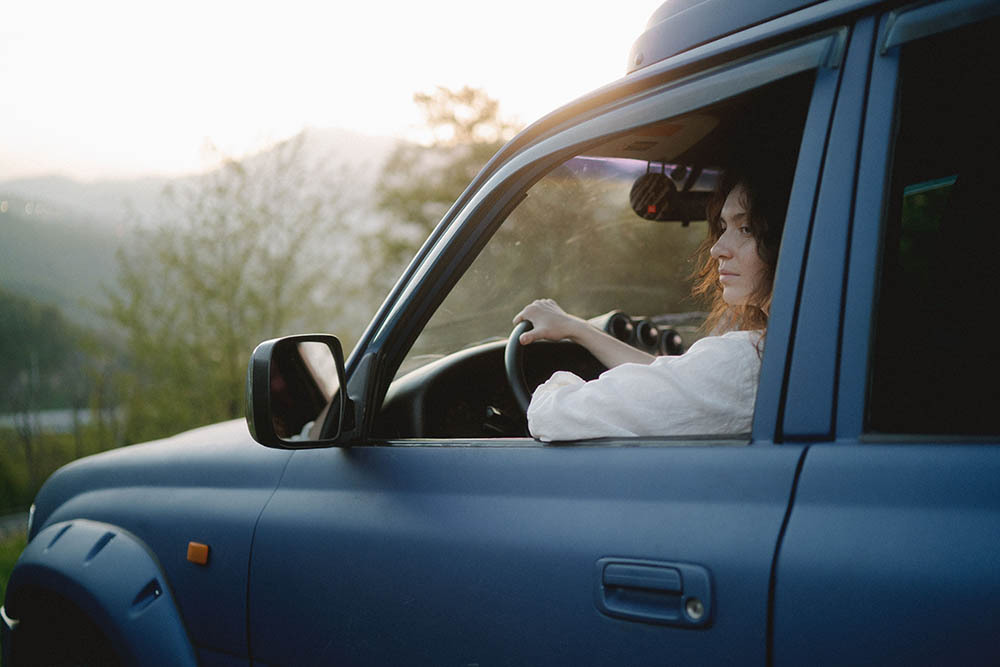
A calm day on the road begins with a simple safety routine. Check tire condition and pressure, lights, mirrors and fluid levels before a long trip. Riders should also inspect their controls, chain or drive system and luggage attachments. The UK government’s motorcycle road safety guidance provides a useful reference for positioning, visibility and carrying passengers. For broader preparation advice, this guide on how to travel safely for the first time also highlights the value of preparing carefully before setting off.
Schedule a break at least every two hours, then stop sooner if concentration drops. Frequent yawning, wandering thoughts, missed signs and difficulty maintaining a steady speed are warning signs that require action. The dangers of drowsy driving can be serious even when a driver believes they can push through another 20 minutes.
Breaks should involve more than refueling. Walk for a few minutes, drink water and eat something light if needed. Heavy meals may leave you sluggish, while relying on energy drinks can hide tiredness for only a limited period. If fatigue continues, find a safe place to rest.
Weather also deserves respect. Strong crosswinds, heavy rain and extreme heat can increase physical strain and reduce concentration. Change the plan if conditions deteriorate. That might mean using a more direct road, waiting out a storm or stopping for the night earlier than expected.
For group trips, agree on communication signals and meeting points before leaving. Nobody should feel pressured to match a pace that exceeds their comfort or experience. Regroup at planned locations instead of making sudden roadside stops.
Capturing Memories Safely
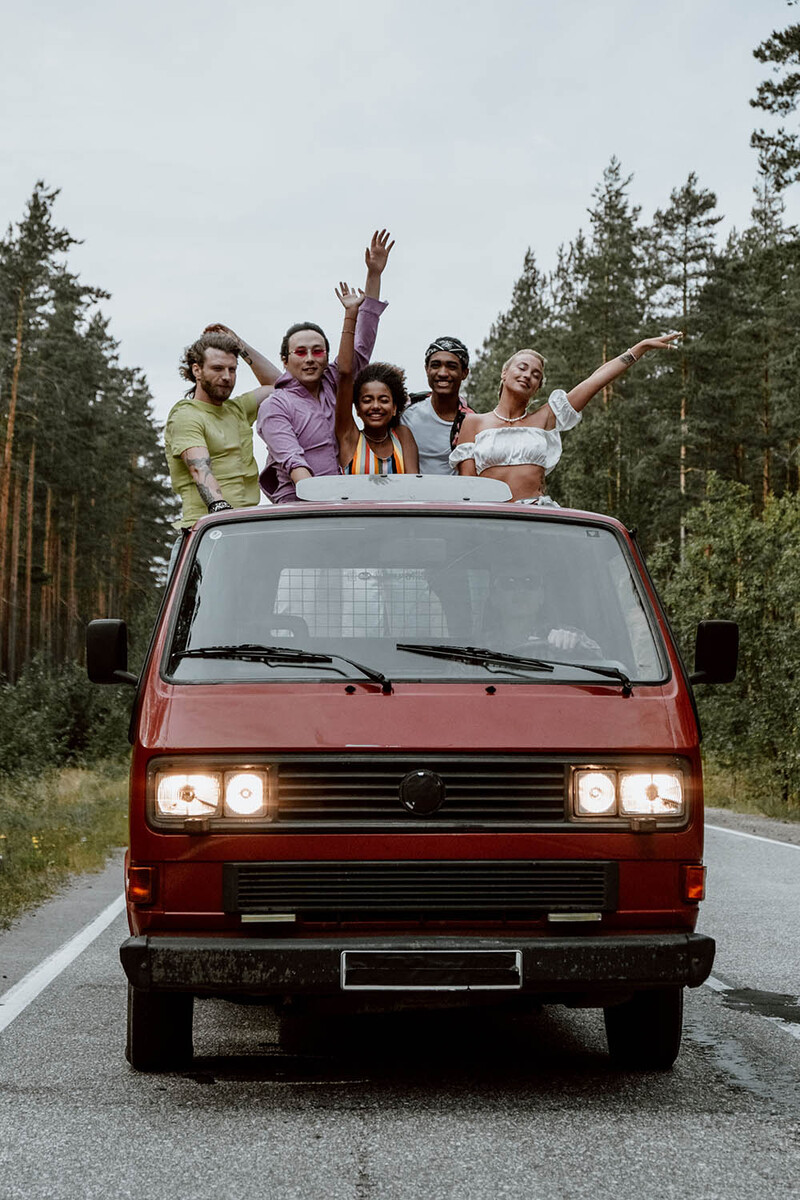
Road trip photos feel more personal when they show the smaller details as well as major landmarks. Photograph a handwritten route note, the view from a breakfast stop, a colorful roadside sign or the line of packed bags before departure. These images help tell the full story once the famous viewpoint shots begin to blur together.
Only take photos when safely parked in a permitted location. A scenic shoulder may look convenient, but it can have poor visibility, soft ground or fast-moving traffic. Use designated parking areas and walk to the viewpoint where possible. Passengers should avoid distracting the person driving or riding, especially on unfamiliar roads.
Create a simple photo routine for each stop. Capture one wide image of the location, one close-up detail and one candid moment. Three thoughtful photos often preserve more of the experience than dozens of nearly identical frames. If you’re traveling alone, a small tripod and camera timer can produce better results than balancing a phone on an unstable surface.
Back up photos whenever you have reliable Wi-Fi. Create an album for the trip and add short captions while details are fresh. Place names, café names and unexpected discoveries are easy to forget a week later. Respect signs limiting photography and avoid sharing the real-time location of your accommodation or unattended vehicle.
At the final stop, take one last photo before unpacking. The dusty luggage, creased map and end-of-trip expressions will probably capture the road trip more honestly than the most polished image from the route.









 Connect with Facebook