





What An Oily Scalp Dandruff Treatment Does Beyond Basic Shampoo
How to manage flakes without over-stripping your scalp.
An oily scalp can make dandruff more persistent because sebum holds flakes against the skin, encourages buildup, and leaves roots visibly greasy. Standard shampoo may remove loose residue, yet it often does little for discomfort between washes. Effective care considers the entire scalp environment, including oil production, microbial balance, moisture levels, and hair texture. That broader approach can reduce recurring flakes while keeping strands manageable. Consistent use also gives people clearer evidence about which habits improve their symptoms.
Why Oil Changes Dandruff Care
Sebum can bind dead skin cells to the scalp, making flakes thicker and more difficult to rinse away. A targeted oily scalp dandruff treatment addresses cleansing, conditioning, and oil control within one routine. This is important because repeated washing may leave the skin irritated while the underlying excess sebum continues. A staged plan reaches the scalp during bathing and provides support after the hair dries. Each step addresses a different part of the problem.
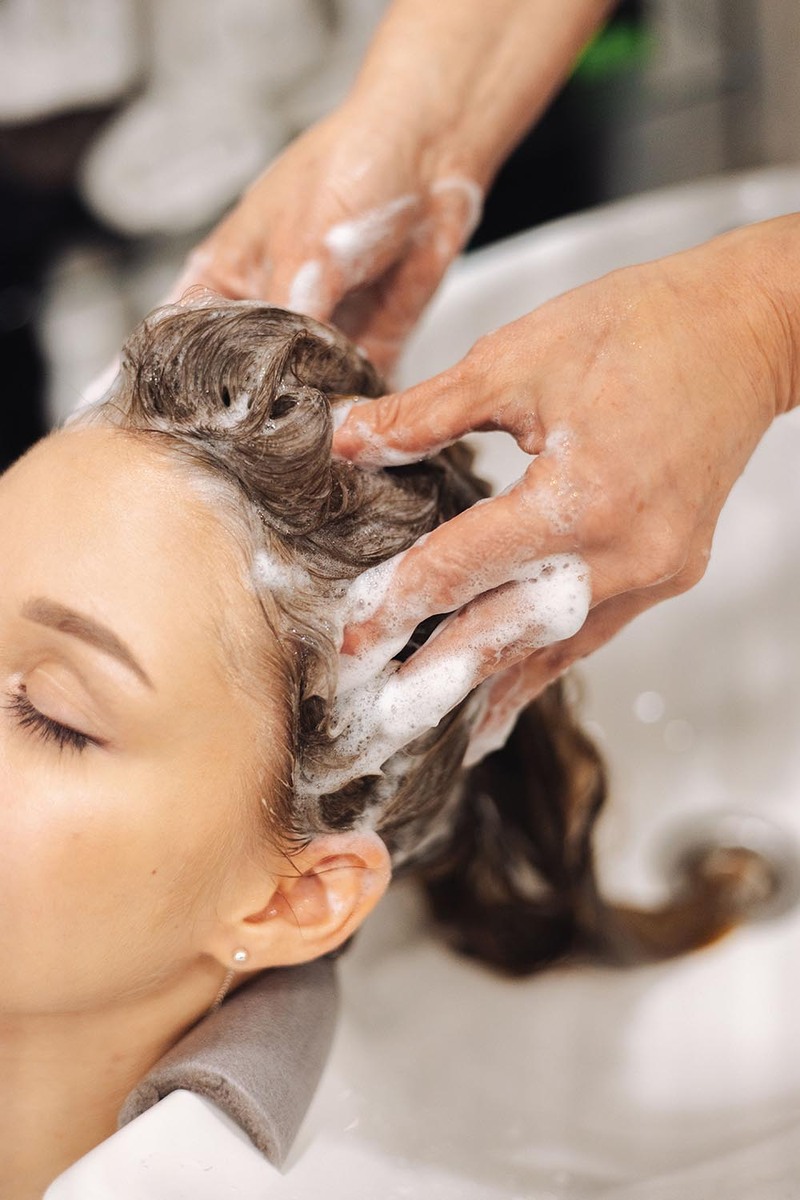
Shampoo Targets Flakes and Itch
The cleansing stage should focus on the scalp, where oil and scale collect. Allowing the lather to remain for two or three minutes gives the formula sufficient skin contact. People with oily roots may need to wash their hair three or four times weekly, depending on sweat, styling products, and symptom severity.
Contact Time Affects Results
A quick rinse can reduce the benefit of a medicated cleanser. Brief contact gives active ingredients less time to act on the affected surface. Shampoo should reach the skin directly, while runoff cleanses the hair lengths without excessive scrubbing. Lukewarm water is preferable to very hot water, which can increase dryness and leave the scalp feeling tight after bathing.
Conditioner Protects Hair Texture
Frequent dandruff washing may leave the hair shaft feeling rough, especially near the ends. Conditioner helps restore slip, reduce friction, and improve softness after cleansing. The routine recommends applying it to the scalp and hair, then waiting 30 to 60 seconds before rinsing thoroughly. Careful use is important. A heavy coating can flatten fine strands or add residue, while insufficient conditioning may cause breakage and tangling.

The Serum Extends Care
Oil production continues after shampoo has been rinsed away. A leave-on serum addresses that interval by supporting fresher roots between wash days. Gentle massage helps spread the formula without aggressive friction. Because the product stays on the skin, people may find that their routine remains effective between full cleansing sessions.
Moisture Balance Prevents Overcorrection
Strong cleansing can remove more surface oil than the scalp requires. That loss may produce tightness, irritation, or a cycle of increasingly frequent washing. Balanced care manages sebum while preserving enough moisture for comfort. The desired result is a clean scalp without a stripped sensation. Hair benefits as well, since dry roots and brittle ends can make regular treatment harder to maintain.

Why Stripping Can Backfire
A squeaky finish does not prove that cleansing was thorough. It may signal that protective lipids were removed too aggressively. Tightness, redness, burning, or increased sensitivity suggest that application frequency or technique needs a review. Tracking flakes, shine, itch, and texture offers more useful information than judging cleanliness by feel alone. Small changes can reveal whether a routine is helping or creating additional irritation.
Consistency Makes Care Measurable
A repeatable schedule makes scalp changes easier to assess. People can record washing frequency, serum use, itch intensity, visible scale, and root oiliness over several weeks. Written observations often reveal patterns. Symptoms may surface after missed washes, heavy styling products, intense exercise, or prolonged heat. Those findings can guide practical adjustments.
Product Choice Should Match Severity
Mild flaking may improve with regular cleansing and suitable conditioning. Persistent symptoms often need a routine that continues after bathing. The product information separates options for mild to moderate concerns from a more complete approach for severe dandruff or seborrheic dermatitis. Labels offer helpful direction, although ongoing redness, thick plaques, pain, or sudden shedding require assessment from a qualified clinician.

Scalp Health Supports Hair Appearance
The condition of the roots strongly affects overall presentation. Excess sebum can reduce volume, increase odor, and cause separate strands to cling together. Visible scales may also transfer onto clothing or collect around the hairline. Scalp-focused care addresses those signs directly, while conditioner preserves softness through the lengths.
Conclusion
An oily scalp dandruff treatment provides broader care than basic shampoo. Cleansing helps address scale and itch, conditioner supports the hair shaft, and serum manages oil between wash days. Contact time, application technique, frequency, and symptom tracking all influence results. When there are signs of redness, pain, thick plaques, or continued shedding, professional evaluation remains the safest next step for identifying the underlying cause.










 Connect with Facebook