





When A Long Puffer Jacket Beats A Shorter One In Deep Winter
Compare warmth, coverage, and mobility to find the right winter jacket length.
A short puffer keeps insulation close to the torso and leaves the legs free, which suits active days and milder cold. Deep winter changes the calculation: wind, low temperatures, and long waits outdoors expose more of the body to heat loss. A longer cut covers the hips and upper thighs, adding protection, but a short jacket leaves the hips and upper thighs less protected from cold air. The right choice depends on exposure, movement, and layering, so it helps to compare how each cut works.
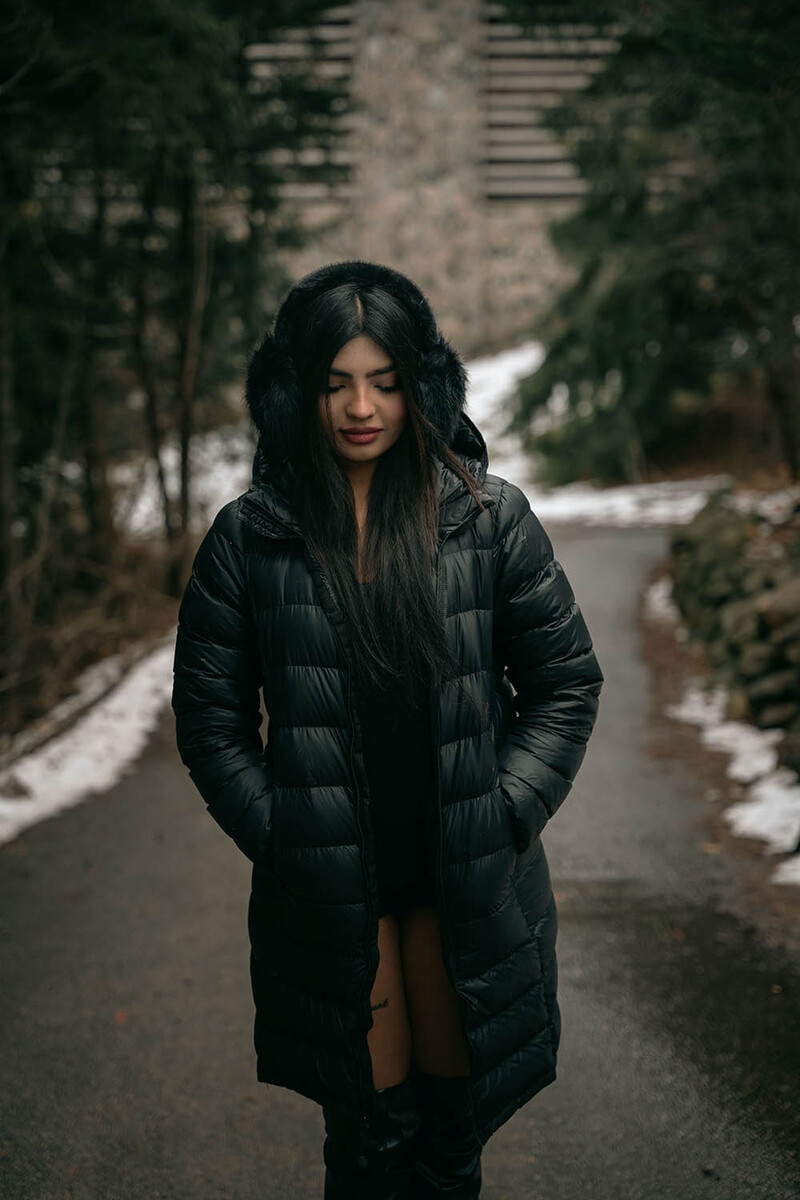
Coverage Matters in Prolonged Cold
When cold air reaches the hips and upper thighs, those areas lose the protection a short jacket provides. A longer hem provides more coverage while standing at a bus stop, watching an outdoor event, or walking slowly through snow. That extra insulation matters most when the body generates little heat through movement.
Shoppers comparing silhouettes can review a long puffer jacket alongside shorter insulated styles, then assess how each hem sits over the layers they already wear. A jacket that covers the seat and upper thighs protects more of the body during stationary stretches. The cut also affects how easily the coat fits over jeans, snow pants, or a midlayer.
Length does not replace insulation quality or weather protection. A longer jacket with thin fill can feel colder than a well-insulated short one, and a drafty closure can let cold air enter. Consider the whole garment, including its insulation, shell, hood, cuffs, and closures.

When a Shorter Cut Works Better
A short puffer is often more practical for sustained activity. Hikers, snowshoers, and people shoveling snow generate body heat, and a shorter hem gives the legs more room to move. It also avoids extra fabric bunching at the hips when bending, climbing, or sitting.
Car trips and indoor errands can also favor a shorter jacket. A long hem can bunch beneath a seat belt or trap heat in a warm vehicle. For brief transitions between heated buildings, the additional coverage may add bulk without solving a meaningful cold-exposure problem.
A shorter cut can still suit deep winter when paired with appropriate lower-body layers and used during active outings. The decision should reflect time outdoors, wind exposure, and pace, rather than temperature alone.
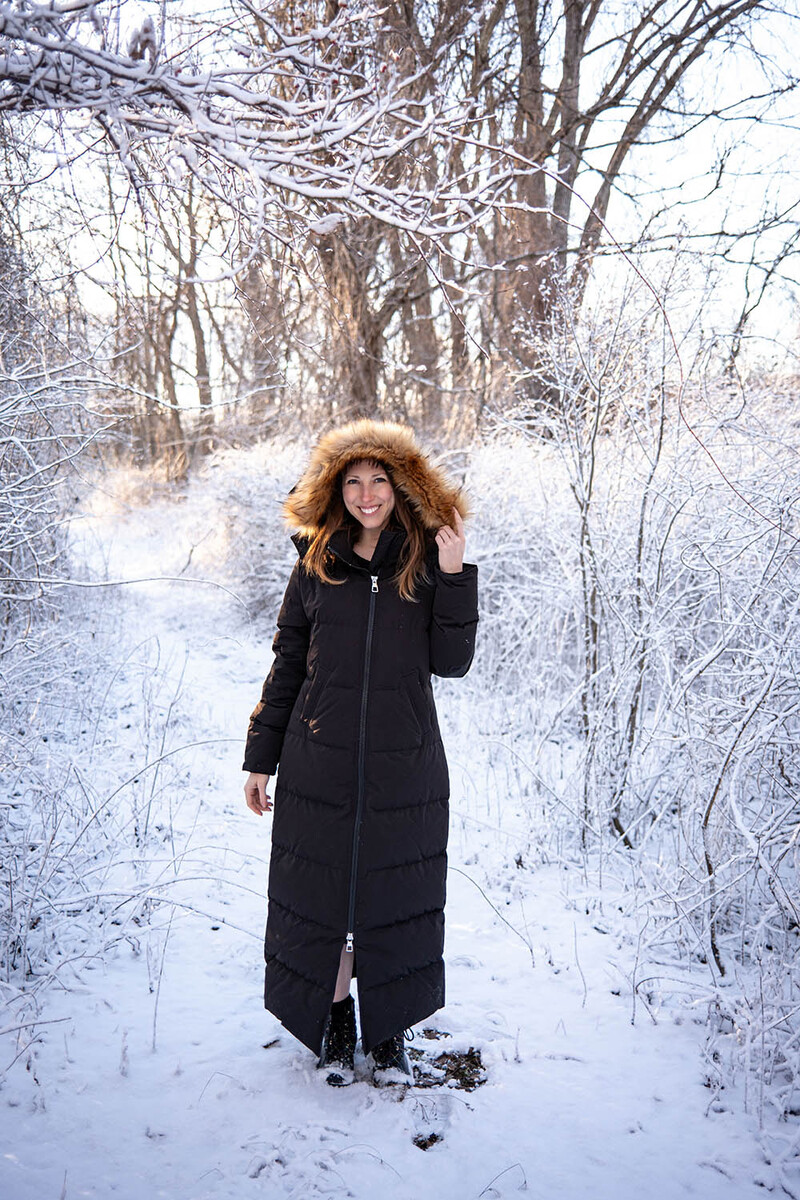
Match Length to the Day
Start with the coldest part of the planned day when choosing a jacket, not the warmest part of a day. Someone commuting on foot and waiting outside for transit spends more time still than someone walking directly between a car and a building. A longer jacket helps cover those pauses without requiring extra adjustments.
Wind also changes the value of coverage. Gusts can reach under a short hem and chill the lower torso, especially when a person stands on an exposed sidewalk or open field. A longer cut reduces that opening, though a secure front closure and well-fitting cuffs remain important.
Think through the clothing underneath, too. A long jacket should sit comfortably over a sweater or fleece without compressing it. Compressed layers trap less warm air, so a roomier fit can matter more than adding another thin layer.
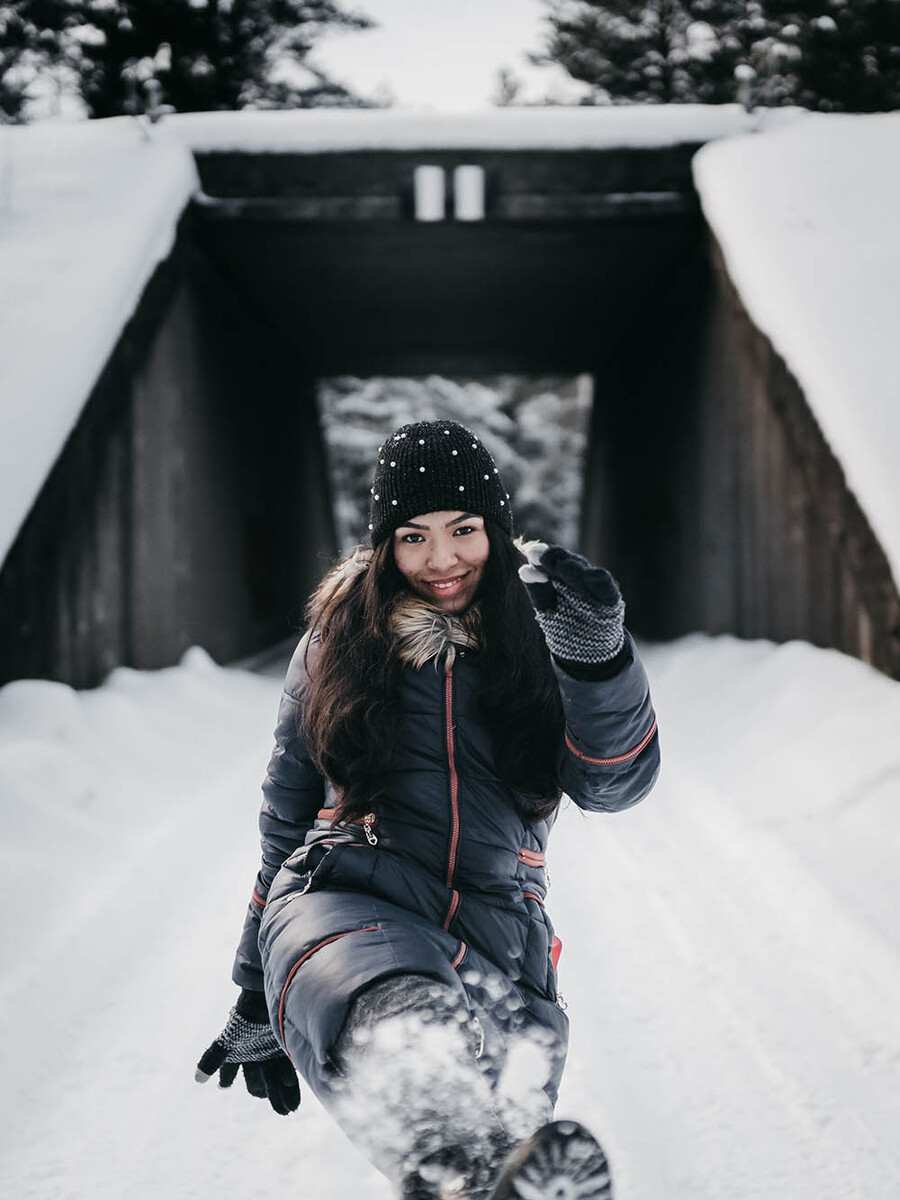
Check Fit and Everyday Movement
Before choosing a length, check how the jacket behaves while walking, sitting, and reaching overhead. The hem should not restrict a natural stride or catch against boots. Pockets should remain reachable, and the sleeves should cover the wrists when arms extend.
A hood and high collar protect the head and neck, while adjustable cuffs help limit drafts at the wrists. These details support warmth across either length. For wet snow or mixed winter weather, a protective shell also matters because damp insulation loses effectiveness.
Try the jacket with the clothes and footwear used most often in winter. If the coat rides up when reaching or strains across the shoulders, its extra length will not compensate for poor fit. Comfort keeps the jacket useful through a full day outdoors.
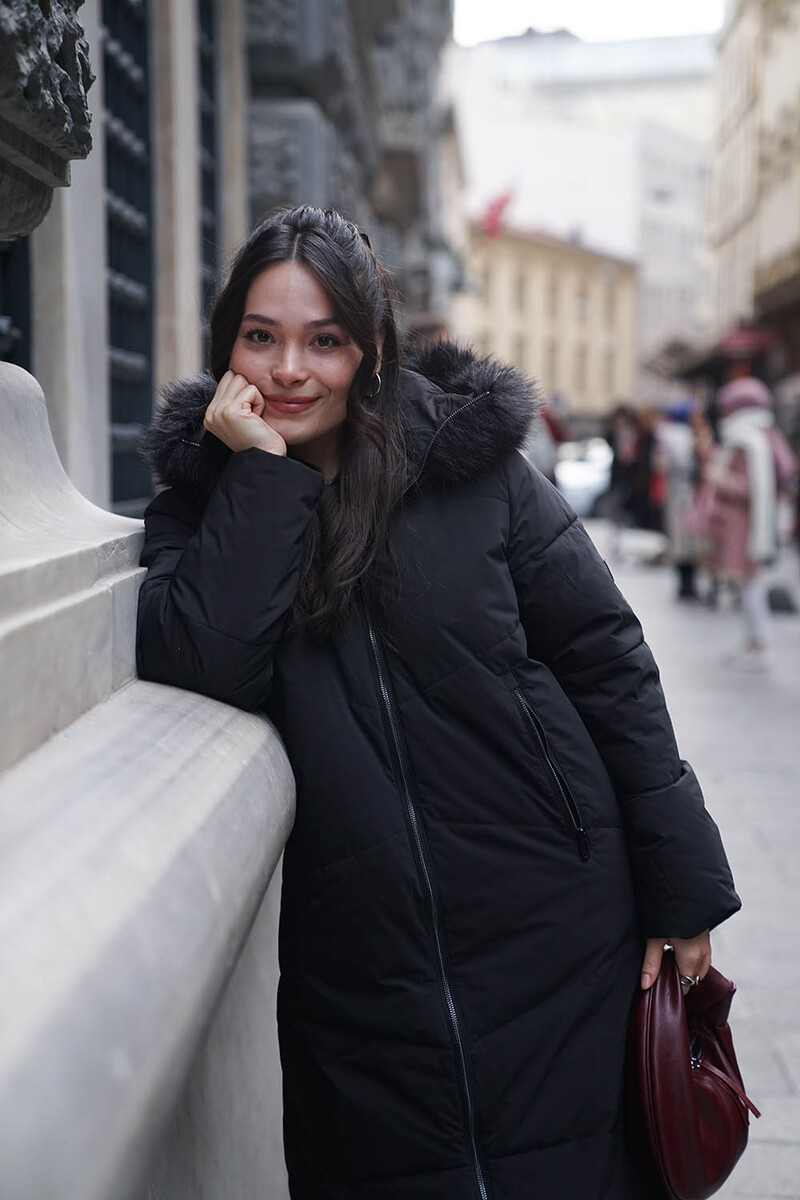
Conclusion
A longer puffer earns its place when deep cold combines with wind, slow movement, or long periods spent outdoors. A shorter cut suits active days, frequent driving, and conditions where leg mobility matters more than added coverage. Before buying, test the hem while walking and sitting, then check sleeve coverage and room for a warm midlayer. Choose the cut that matches the coldest, least active part of the day, not just the trip’s starting point.









 Connect with Facebook