




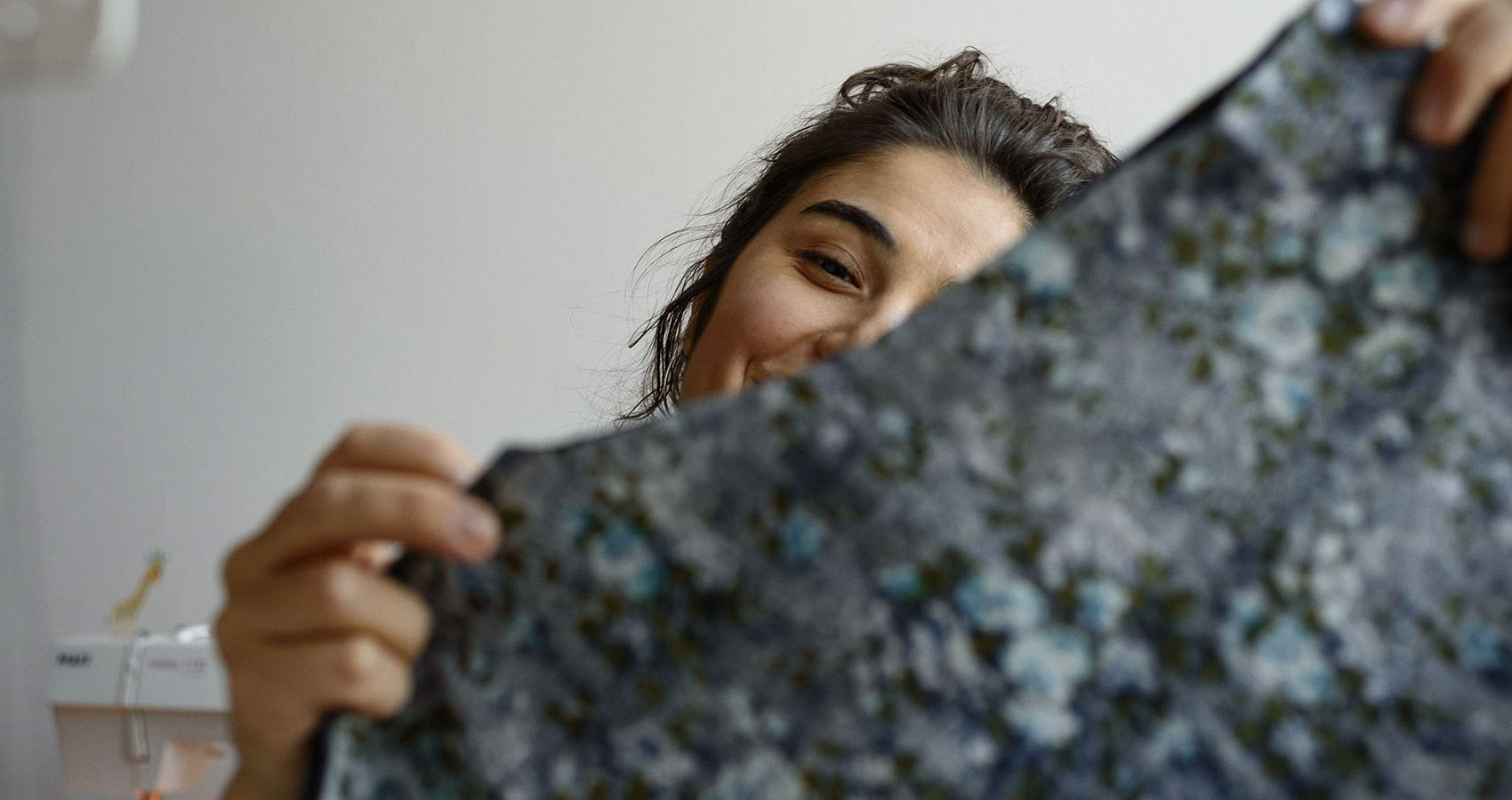
How Leftover Materials Can Help Families Save on Home and Style Projects
Easy ways to make the most of what you already have.
A small home or clothing project rarely needs as much material as a full room makeover or a completely new outfit. A cushion cover might need less than a metre of fabric, while a box room, utility area or small landing may need only a modest amount of flooring. For a smaller job, buying only the amount you need can make more sense than paying for material that will be left unused.
The same approach works for home and sewing projects. Before buying new material, check what you already have and whether a remnant is enough for the job.
Why Remnants Make Sense for Smaller Updates
Remnants become useful when the project has clear dimensions. Recovering two dining chairs, making a pair of cushion covers or updating a narrow section of flooring does not require the same buying approach as decorating an entire room.
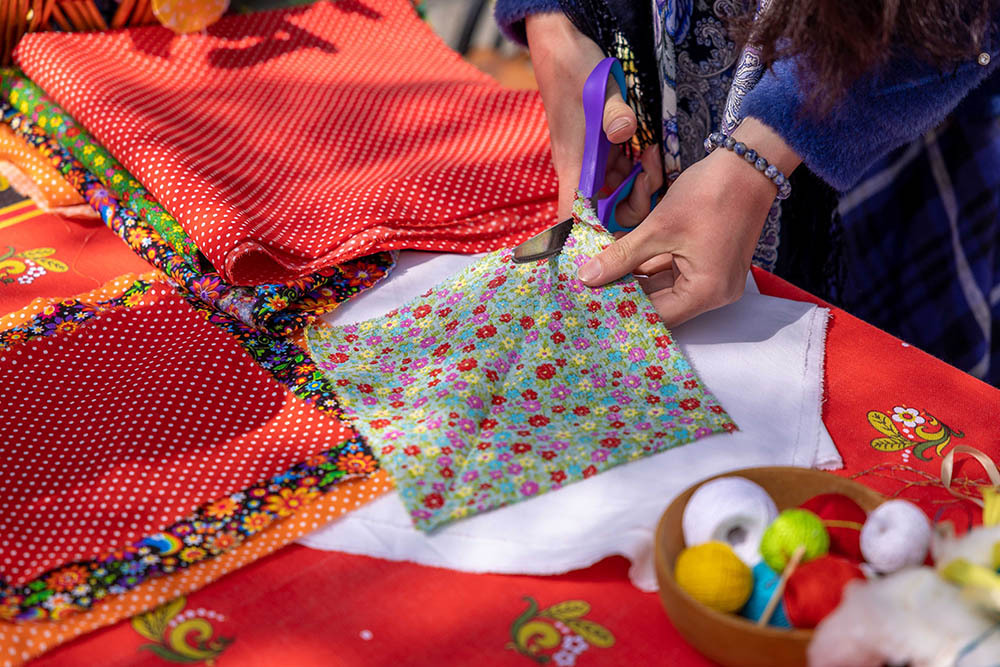
Start by working out the area in square metres, then keep the full length and width measurements to hand before looking at colours or patterns. A small fabric remnant may still cover a window seat or make a pair of cushion covers, but seams, hems and pattern matching all reduce the usable area once you start cutting.
Having the measurements first also makes it easier to shop within a fixed budget. Instead of choosing a project and then buying a standard quantity, you can work backwards from what is available. A patterned fabric might be enough for a cushion cover even if there is not enough for curtains. A flooring roll end might suit the box room rather than the hallway. Working with the size available keeps the project smaller and avoids buying more material to make the original idea work.
When Flooring Roll Ends Work for Small Spaces
Accurate measurements matter more when you are buying a roll end because the available piece has to fit the room you already have. A box room, utility room, dressing area or compact home office may need only a modest amount of flooring, so a roll end is worth checking before ordering a larger cut.
If you are choosing between vinyl flooring and carpet for a small room, Urmston Carpets stocks carpet roll ends and remnants suited to smaller spaces and projects on a tighter budget. Measuring the room first makes it easier to judge whether an available piece will cover the floor with enough allowance for fitting, rather than choosing a remnant simply because the price looks appealing.
Take accurate measurements and note awkward corners, doorways or other areas that affect the shape of the room before deciding whether the available piece is suitable. A smaller space also makes it easier to consider a colour or finish you might hesitate to use across a much larger area, particularly in a home office, play space or dressing room.
Fabric Scraps Work Well for Soft Furnishings and Storage
Fabric remnants work particularly well for smaller home accessories because the finished pieces need relatively little material. Cushion covers are an obvious starting point, particularly when the existing inserts are still in good condition and only the covers feel dated.
A single piece can also work for a table runner, placemats, drawer lining or the front panel of a storage basket. If several remnants share similar colours, they do not need to match perfectly. Keeping one common shade across different prints usually gives the finished room enough visual connection.
Old curtains and unused bedding are worth checking before visiting a fabric shop. A curtain that no longer fits the room may still provide enough material for several smaller jobs, especially if the lower section has escaped fading or wear. Plain cotton from an old duvet cover is also useful for lining bags, making storage pouches or testing a sewing pattern before cutting into better fabric.
Small Fashion Projects Use Surprisingly Little Fabric
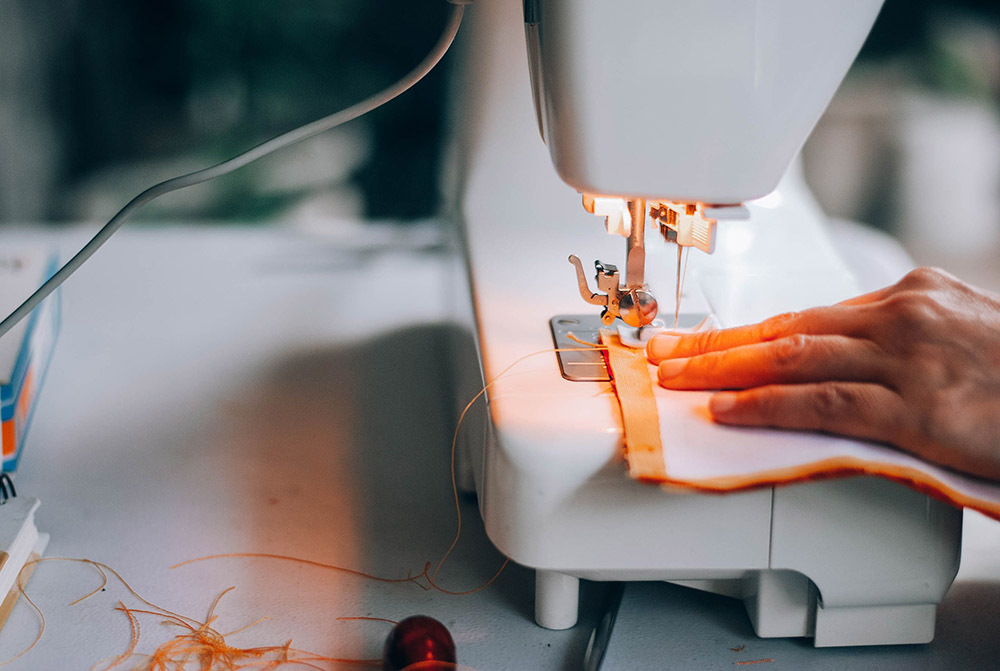
Smaller scraps are often enough for accessories even when there is not enough fabric left for another home project. Scrunchies, fabric hairbands and simple bows need narrow strips, so they suit leftovers from larger sewing projects.
Tote bags need more material but still work well with remnants, especially heavier cotton, denim or canvas. A contrasting pocket or handle also gives you somewhere to use a second piece that would otherwise sit unused.
Larger scraps can also be kept for clothing repairs. A worn pocket can be replaced or reinforced with contrasting fabric, while a small tear can be covered with an appliqué patch rather than hidden badly with stitching. These changes work best when they look deliberate, so choosing a colour or print already present elsewhere on the garment usually gives a cleaner result.
Denim is also worth repairing when the damage is limited to one area and the jeans are otherwise still wearable. A fabric patch behind a worn section, a new pocket panel or a small alteration around the hem can extend their useful life without turning the repair into a large sewing project.

Refreshing Children's Clothes Without Replacing Everything
Some children's clothes become too short while the fabric and fit elsewhere are still in good condition. When the garment still fits comfortably apart from the length, a small alteration may help the clothes last longer before a replacement is needed.
A contrasting strip added to the bottom of trousers or a skirt can add some length. Plain tops can take fabric appliqué, while a small remnant can become a matching hair accessory or pocket detail. These projects make most sense for clothes already in regular rotation rather than items a child has clearly outgrown.
Keeping repairs simple also matters. Before altering a basic T-shirt, check whether the repair uses materials you already have at home rather than buying several new supplies for one small job. Remnants are most useful when you already have the fabric, thread and basic equipment at home.
Keep Useful Leftovers Before Buying More
Keeping remnants sorted by size and material makes the useful pieces easier to find. Fold fabric pieces by approximate size and keep sturdier materials separate from light cottons. Small pieces can go into one box for repairs and accessories, while larger lengths are easier to store folded and labelled.
Before buying material for a home update, check what you already have and keep the room measurements nearby. You can then see whether a roll end or smaller quantity is enough for the job before ordering more material than you need. For sewing, look through old curtains, clothes and previous project leftovers before visiting the fabric shop.
There is little reason to keep pieces that are stained, badly worn or too small for a realistic project, since they only make useful materials harder to find. Keeping the remnants you are likely to use makes it easier to check what you already have before buying anything new for the next home or sewing project.











 Connect with Facebook