




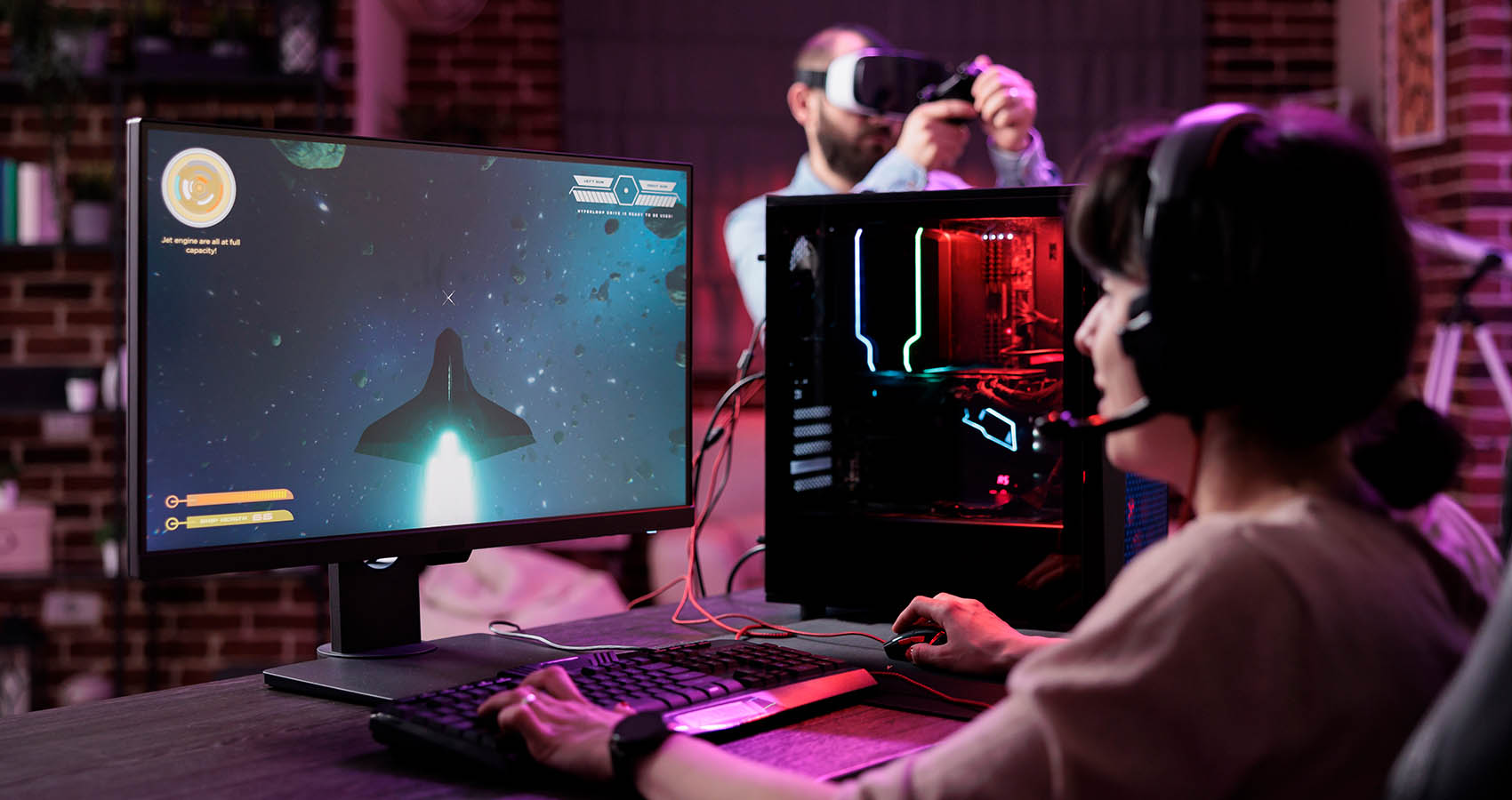
Aesthetic Interfaces Becoming Central To Modern Gaming Platforms
How design became part of the gaming experience.
Digital entertainment platforms have become increasingly shaped by visual identity, interface fluidity, and immersive design language rather than functionality alone. Modern audiences no longer engage with gaming environments purely for gameplay mechanics. They also respond to visual stimulation, responsive interaction, animated feedback systems, and the overall emotional atmosphere created by digital interfaces.
This shift has transformed the broader gaming industry. Platforms now compete not only through content libraries and technical performance but through aesthetic presentation itself. Color palettes, motion design, typography, sound layering, interface responsiveness, and visual consistency all influence how users perceive entertainment experiences across desktop and mobile environments.
As digital entertainment becomes more saturated and competitive, aesthetic design increasingly functions as a major factor shaping engagement, retention, and long-term platform loyalty.
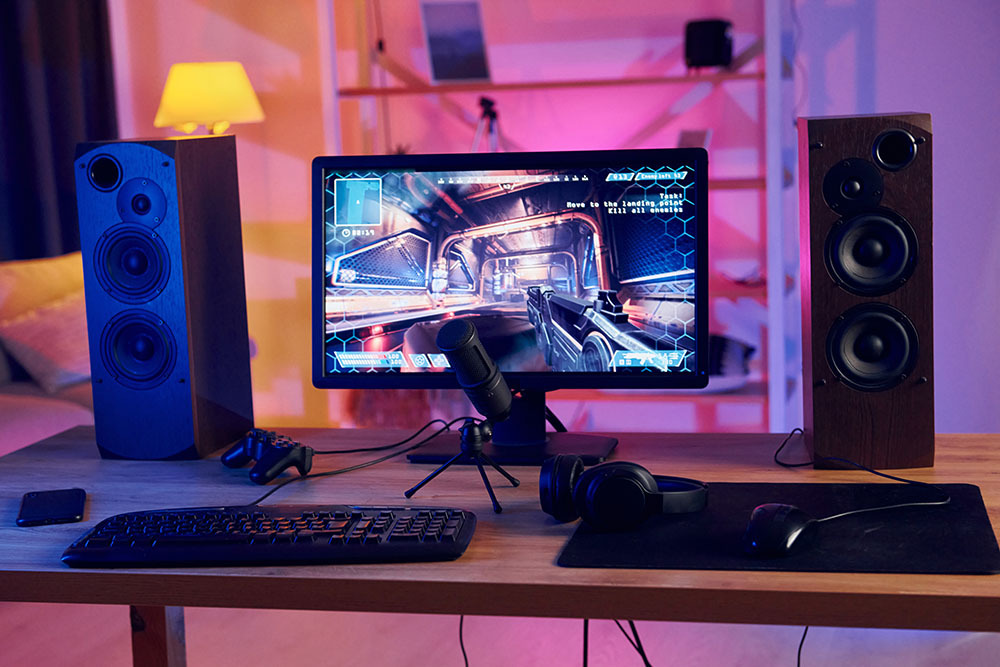
Gaming Interfaces Became Part of the Entertainment Experience
Earlier generations of gaming platforms often prioritized basic functionality over visual sophistication. Navigation systems were built primarily around utility, while aesthetic presentation remained secondary to performance and accessibility.
Modern audiences, however, interact daily with highly polished digital ecosystems across streaming apps, social media platforms, mobile games, and creator-driven entertainment environments. These experiences continuously shape expectations surrounding visual quality and responsiveness.
As a result, gaming platforms increasingly integrate:
- animated transitions
- immersive color systems
- cinematic presentation
- personalized dashboards
- responsive feedback loops
- visual reward mechanics
- adaptive layouts
These elements help platforms feel more interactive and emotionally engaging even before gameplay itself begins.
This evolution is particularly visible within modern casino gaming environments where visual immersion strongly influences player engagement. Users searching for the best casino slots, for example, often evaluate far more than payout mechanics alone. Themes, animation quality, interface responsiveness, soundtrack integration, live effects, bonus presentation, and overall visual atmosphere now play major roles in shaping which games maintain long-term popularity across mobile and desktop platforms. Many modern slot environments increasingly resemble broader digital entertainment experiences rather than traditional static casino formats.
The growing emphasis on aesthetics reflects how online gaming increasingly overlaps with wider digital entertainment culture.
Mobile Gaming Accelerated Visual Optimization
Smartphone usage dramatically influenced how gaming platforms approach interface design. Mobile environments require platforms to maintain visual clarity, responsiveness, and immersion within significantly smaller screen spaces.
This pushed developers toward cleaner and more adaptive UX systems focused on:
- simplified navigation
- touch-friendly controls
- visual hierarchy
- scalable layouts
- optimized animation timing
- responsive interaction feedback
At the same time, mobile hardware improvements allowed platforms to integrate more sophisticated graphics, smoother transitions, and higher-quality audiovisual effects without sacrificing performance.
The combination of stronger mobile devices and changing consumer expectations accelerated the industry-wide movement toward visually polished gaming ecosystems.
Rather than functioning as secondary cosmetic features, aesthetics increasingly became central to maintaining engagement across highly competitive mobile entertainment markets.

Reward Systems Became Visually Driven
Modern gaming platforms increasingly use visual design to reinforce reward systems and emotional engagement. Animation timing, celebratory sequences, progression graphics, sound effects, and visual feedback mechanisms all help create stronger psychological responses during gameplay sessions.
These systems are carefully designed to maintain momentum and reinforce participation throughout extended interaction periods.
Gaming platforms now commonly integrate:
- dynamic reward animations
- progression indicators
- visual achievement systems
- interactive bonus effects
- layered interface feedback
- adaptive motion graphics
These mechanics mirror broader entertainment patterns visible across social media applications, streaming ecosystems, and mobile gaming platforms where engagement is heavily influenced by continuous visual stimulation.
The result is an entertainment environment where aesthetics directly contribute to perceived excitement and immersion rather than simply decorating the underlying platform structure.
Streaming Culture Influenced Platform Presentation
The growth of livestreaming culture also changed how gaming environments are visually designed. Platforms increasingly optimize interfaces not only for players themselves but for viewers consuming gaming content through streaming ecosystems and social platforms.
This shift encouraged stronger emphasis on:
- cinematic visuals
- spectator-friendly layouts
- vibrant effects
- recognizable visual branding
- high-contrast presentation
- shareable gameplay moments
Gaming platforms increasingly operate within broader entertainment ecosystems where visual identity affects discoverability, social engagement, and audience retention across multiple channels simultaneously.
Casino gaming environments adapted to these trends as well. Live dealer systems, animated slot interfaces, themed gameplay environments, and visually immersive bonus mechanics all reflect the influence of streaming-era entertainment design principles.
The line separating gaming, digital media, and broader online entertainment continues becoming less distinct.
Personalization Enhanced Visual Engagement
Modern gaming platforms increasingly personalize interface experiences based on behavioral patterns and user preferences. Recommendation systems, adaptive content placement, dynamic themes, and customized visual layouts help platforms feel more individually tailored.
Many systems now adjust:
- featured content
- promotional placement
- interface recommendations
- visual prioritization
- notification timing
- gameplay suggestions
based on user interaction history.
This personalization helps create stronger continuity between sessions while improving long-term retention.
The growing sophistication of behavioral personalization reflects broader digital industry trends where entertainment platforms continuously optimize visual experiences around observed user habits and engagement patterns.
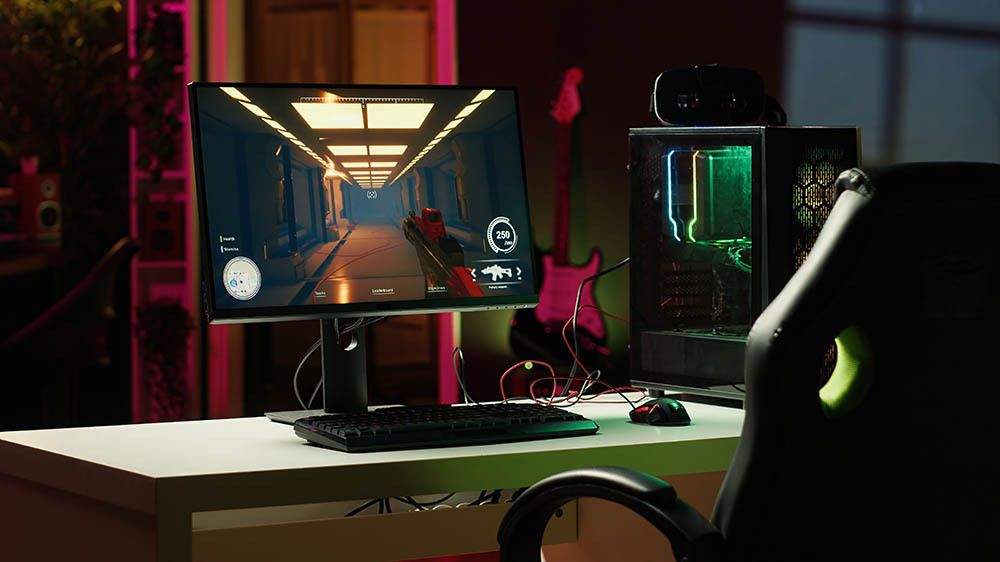
Platform Design Now Influences Brand Identity
Visual design has also become central to brand recognition within modern gaming industries. Distinctive interface aesthetics help platforms differentiate themselves within crowded entertainment markets where users have access to countless competing options.
Successful gaming ecosystems increasingly develop recognizable visual identities through:
- consistent color systems
- signature animations
- typography choices
- interface pacing
- thematic presentation
- audiovisual cohesion
These elements help create familiarity that extends beyond individual games themselves.
Organizations such as Wired continue examining the relationship between interface psychology, digital culture, entertainment design, and evolving online behavior as visual experiences become increasingly influential across modern technology ecosystems.
As digital entertainment continues evolving, visual identity will likely remain one of the strongest competitive differentiators across gaming industries.
Aesthetic Design Will Continue Shaping Gaming Culture
The future of gaming platforms will likely involve even deeper integration between aesthetics, personalization, and interactive technology. Artificial intelligence, adaptive UX systems, cloud rendering, immersive animation frameworks, and responsive audiovisual environments may continue transforming how users experience online entertainment.
At the same time, audiences will likely continue expecting:
- visually polished environments
- smoother transitions
- immersive interaction
- cinematic presentation
- personalized experiences
- mobile responsiveness
- emotionally engaging interfaces
These expectations now influence nearly every major entertainment platform operating online.
For gaming companies, aesthetic design is no longer simply about visual appeal. It has become a core part of engagement strategy, emotional immersion, and long-term audience retention within increasingly competitive digital entertainment ecosystems.











 Connect with Facebook