




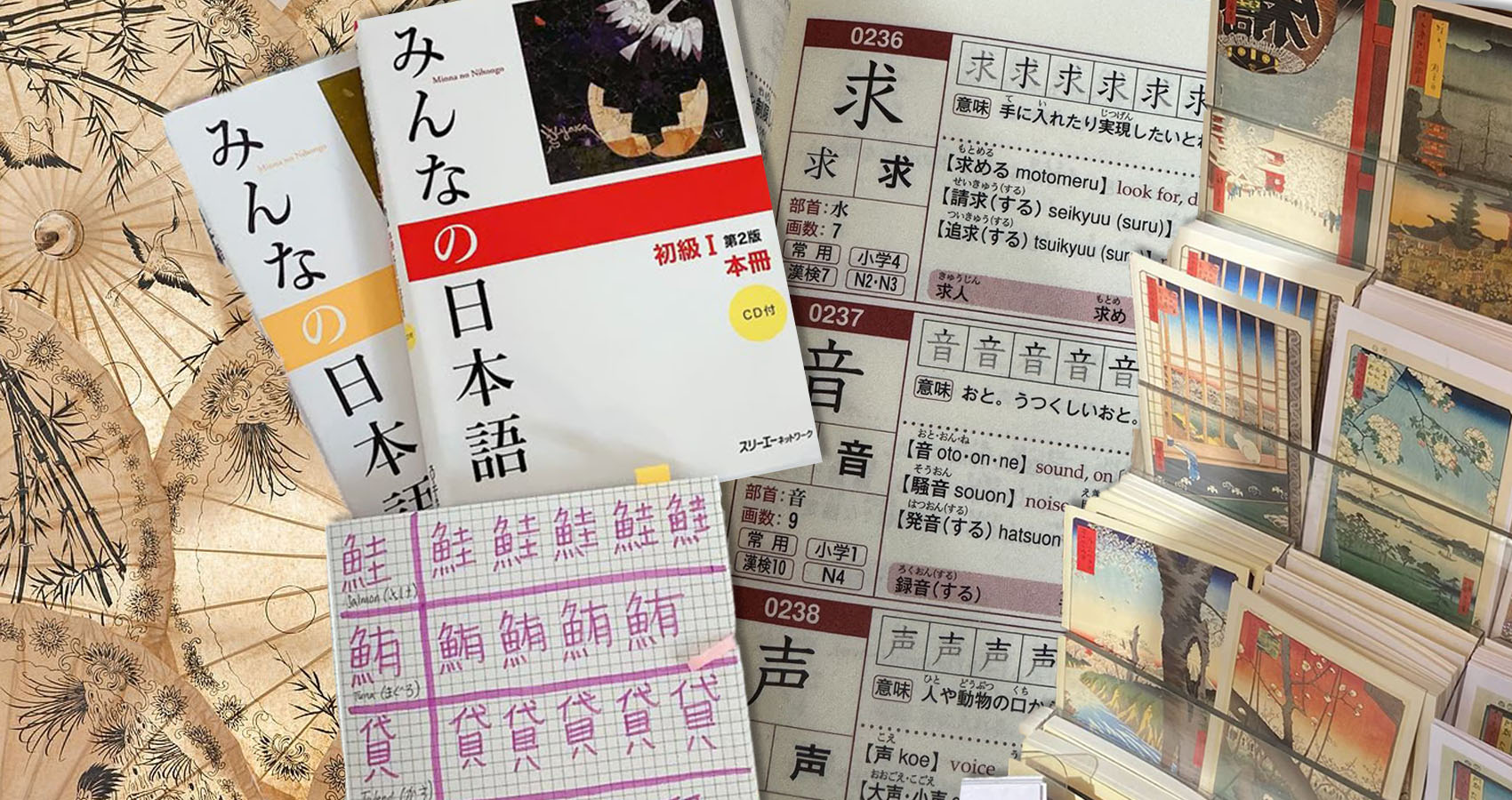
How Hobby-Focused Lessons Make Japanese More Engaging For New Learners
All you need to know.
Learning a new language can feel like hard work. Many beginners start with textbooks and grammar drills, which often leads to boredom and frustration. However, a different approach exists that makes the process more natural and fun.
Hobby-focused lessons connect Japanese learning to activities you already enjoy, which keeps you motivated and helps you remember what you study. You can learn Japanese through cooking, anime, gaming, or any other interest. This method works because your brain pays more attention to topics that matter to you. Instead of memorizing random vocabulary lists, you pick up words and phrases that relate to your passions.
The best part is that you can start this approach right away. Many learners use online Japanese classes for beginners as a way to explore lessons built around personal interests, which makes it easier to build practical skills while staying engaged with topics they already enjoy.
Key Takeaways
- Hobby-focused lessons connect Japanese to your personal interests, which increases motivation and memory retention
- Learning through activities you enjoy makes the language feel natural instead of like a chore
- You can find teachers who tailor lessons to your specific hobbies and learning style
The Power of Hobby-Focused Lessons in Japanese Language Learning
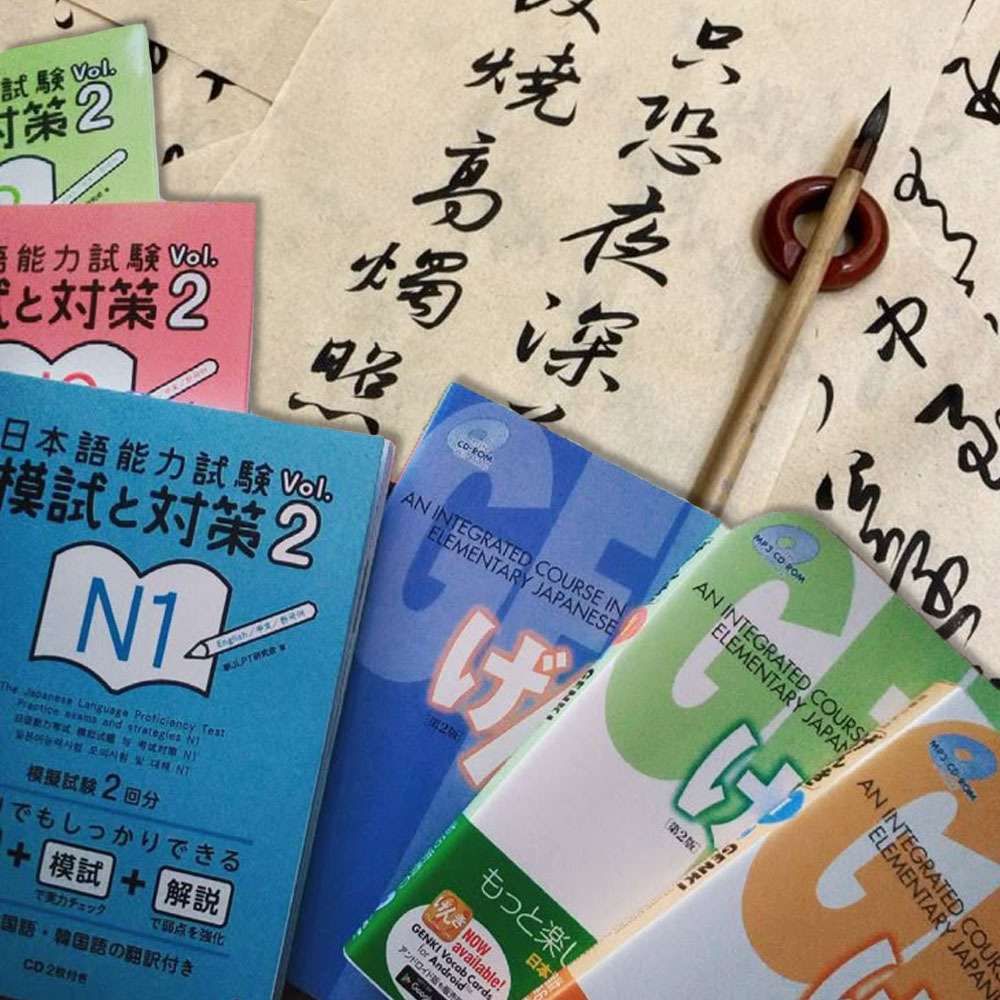
Hobby-focused lessons transform Japanese study from a tedious task into an activity you actually want to do. These personalized approaches tap into your existing interests, boost mental engagement, and create stronger memory connections that help you remember what you learn.
Personalization Through Hobbies
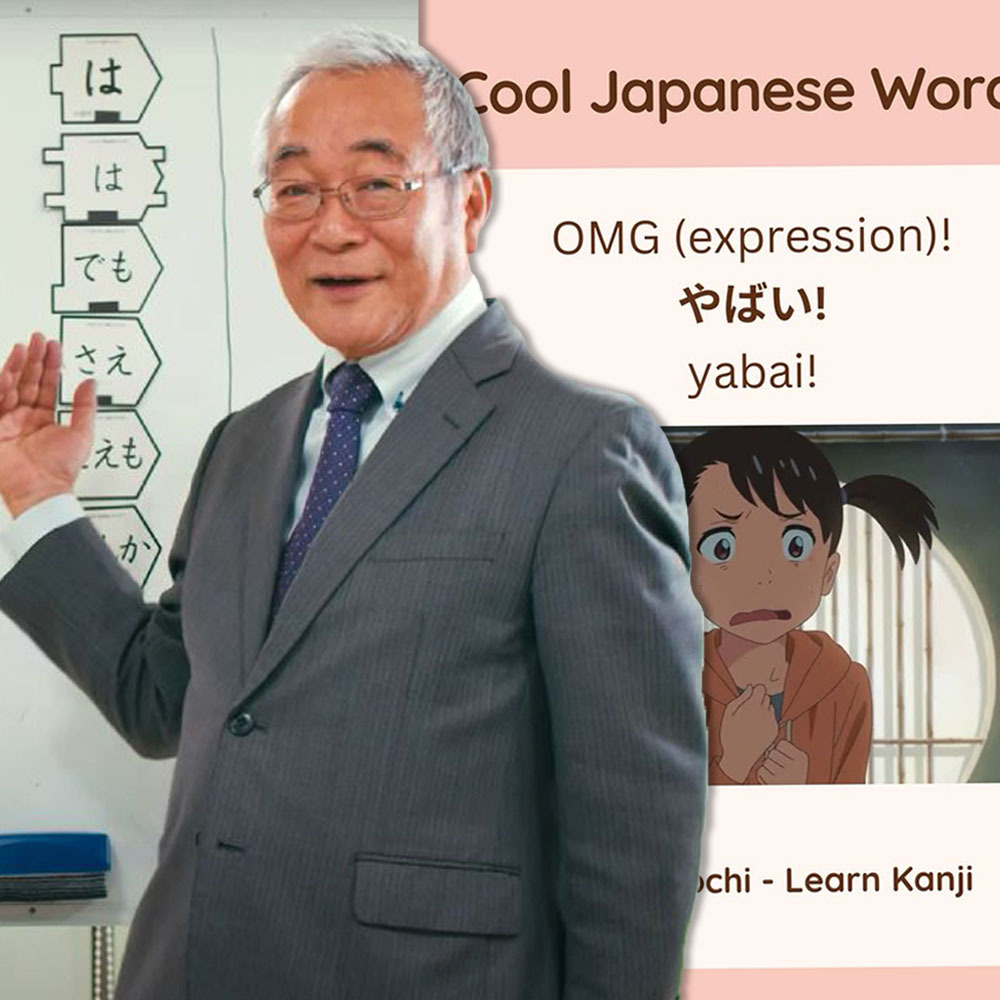
Traditional Japanese courses teach generic vocabulary about weather, directions, and restaurant orders. However, you might not care about these topics if you started learning Japanese to understand your favorite manga or video games.
Hobby-focused lessons change this approach completely. They let you learn the exact words and phrases you need for your specific interests. For example, an anime fan learns character dialogue patterns and cultural references. A cooking enthusiast studies recipe vocabulary and food preparation terms. A gamer picks up gaming terminology and online chat expressions.
This personalization makes every lesson feel relevant to your life. You stop memorizing random word lists and start learning language you'll actually use. The vocabulary sticks better because you encounter it regularly in your hobby. You see immediate results as you understand more of what you love.
Your brain processes information better in familiar contexts. Therefore, you build connections between new Japanese words and concepts you already know. This creates a natural framework for language acquisition.
Boosting Creativity and Engagement
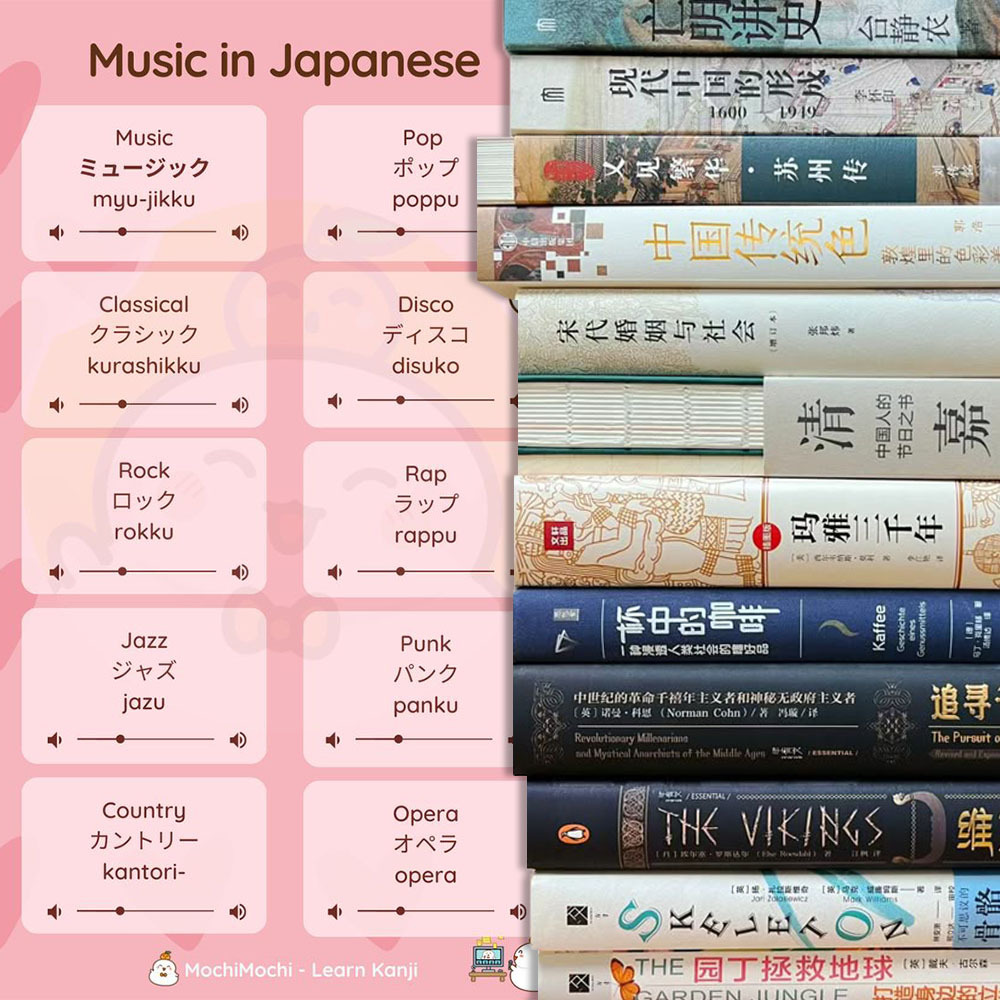
Hobby-based learning activates different parts of your brain compared to textbook study. Creative hobbies like art, music, or writing push you to think in Japanese rather than just translate. You solve problems and express ideas in new ways.
This creative engagement protects your mental health during the long journey of language study. Many learners experience frustration or even depression as they struggle through difficult grammar rules and endless kanji. However, hobbies provide an emotional buffer against these challenges.
You stay engaged because every lesson connects to something you enjoy. The activity feels less like work and more like play. You explore Japanese music lyrics, analyze film dialogue, or read craft tutorials. Each task brings satisfaction beyond just language progress.
Your hobby gives you concrete goals to measure success. You might finish your first untranslated manga chapter or understand a podcast episode. These achievements build confidence faster than abstract test scores.
Enhancing Motivation and Retention
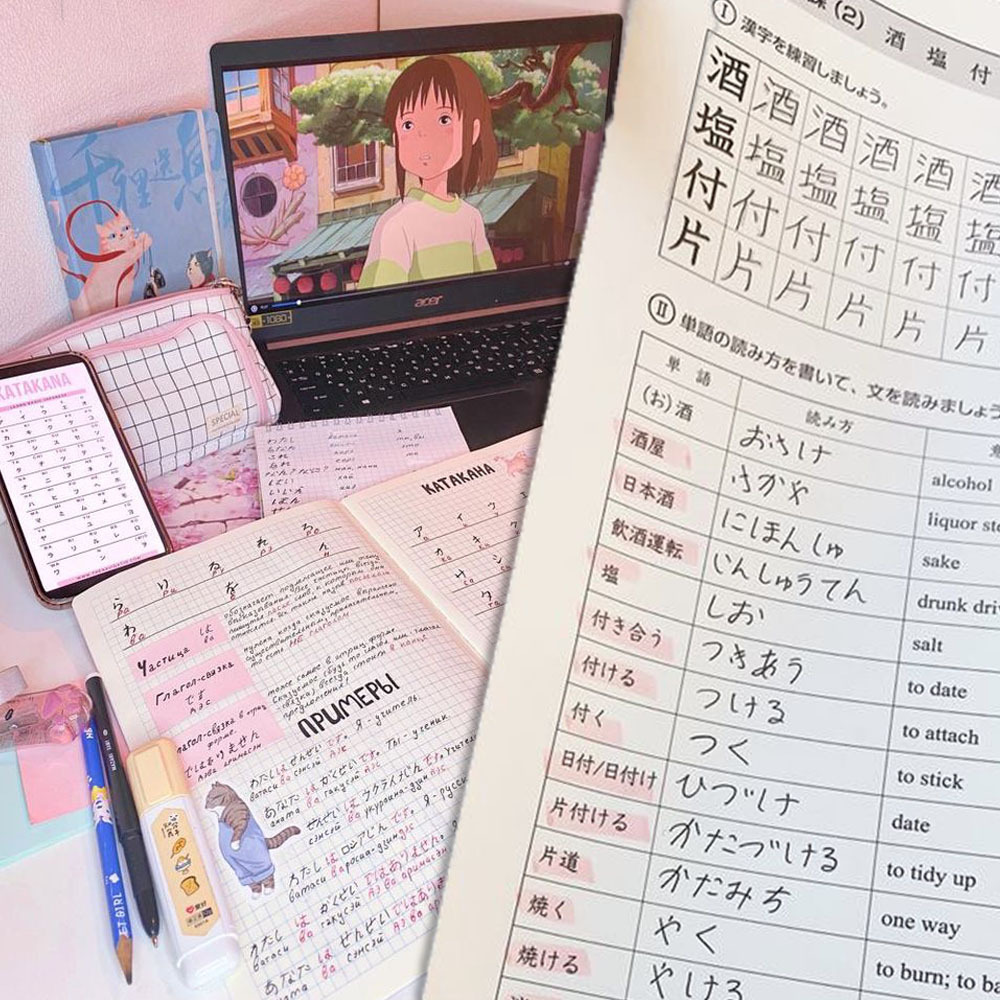
Motivation determines whether you continue to study or quit after a few months. Hobby-focused lessons provide built-in motivation because they remove the gap between study and reward. You don't wait years to use your Japanese skills. You use them immediately in activities you already do.
This immediate application strengthens memory retention significantly. Your brain marks hobby-related vocabulary as important information worth keeping. You review naturally as you engage with your hobby rather than force yourself through flashcard drills.
The emotional connection to your hobby creates stronger neural pathways. You remember the context where you learned each word or phrase. A racing game fan recalls car terms from exciting gameplay moments. A fashion enthusiast remembers clothing vocabulary from favorite style blogs.
You build consistency more easily because study sessions double as hobby time. Therefore, you practice daily without feeling burdened by obligation. The habit forms naturally around an activity you already prioritize. Your retention improves as repeated exposure reinforces what you learn.
Integrating Hobbies Into Japanese Lessons: Creative Approaches and Practical Benefits
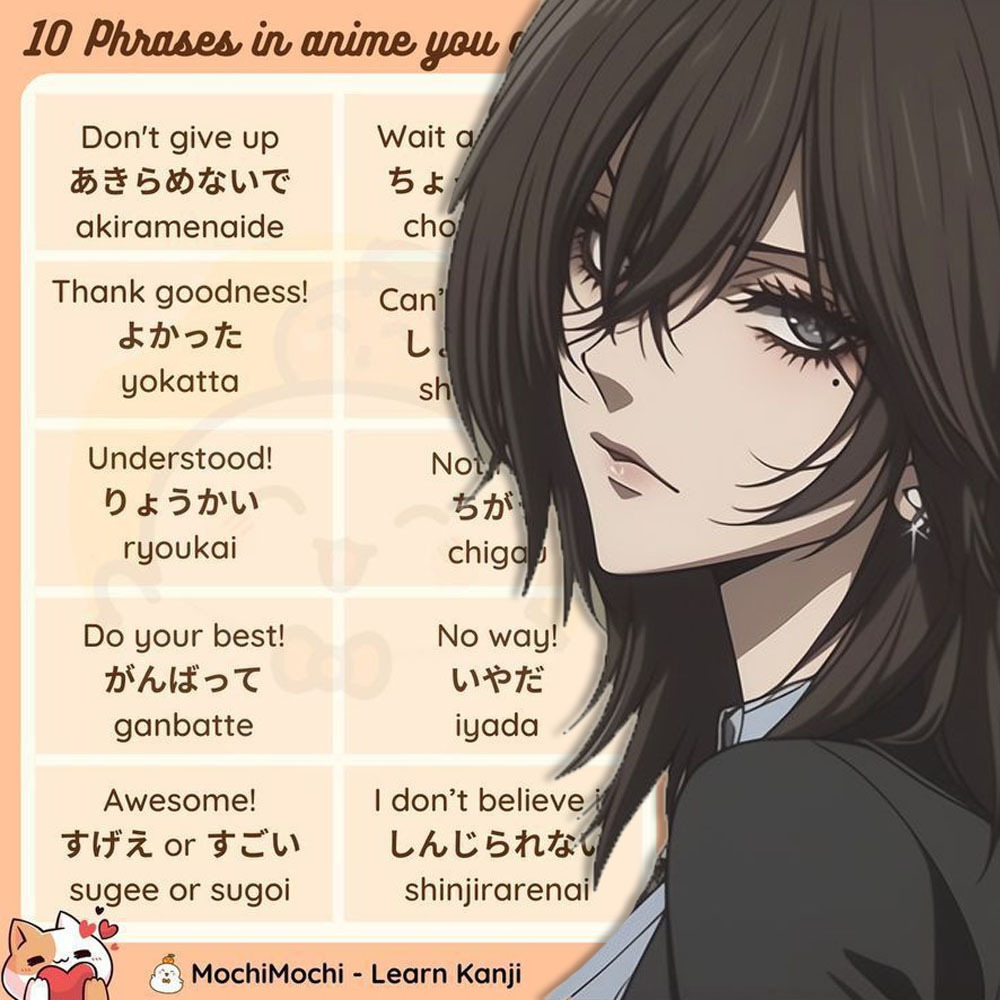
You can transform your Japanese study sessions by connecting lessons to activities you already enjoy, whether that means crafting vocabulary lists about cooking or practicing conversation through photography descriptions. This approach makes abstract grammar rules feel more relevant and helps you remember new words faster because they connect to experiences you care about.
Incorporating Creative Hobbies in Language Practice
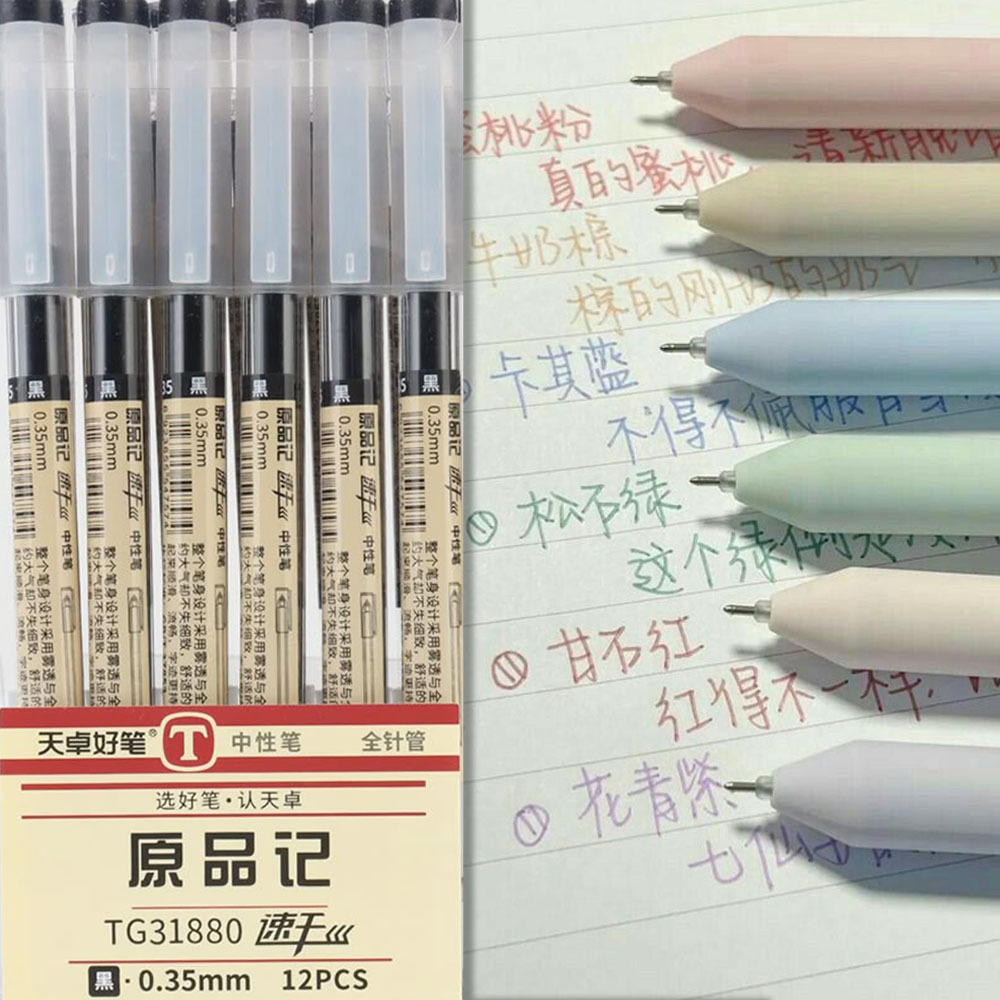
Drawing and painting offer natural opportunities to learn color names, art supplies, and descriptive adjectives in Japanese. You can label your sketches with Japanese terms or watch Japanese art tutorials to pick up new phrases. Many learners find that describing their artwork in simple Japanese sentences helps them practice adjectives and basic grammar patterns.
Writing and blogging in Japanese push you to use complete sentences and think through grammar structures. You might start with short diary entries about your day or create a blog post about your favorite recipes. Even a few sentences each day build your confidence with verb conjugations and sentence patterns.
Crafting hobbies like knitting, crocheting, jewelry making, and woodworking come with specialized vocabulary that makes lessons more practical. You can follow Japanese craft tutorials on video platforms or read pattern instructions translated into Japanese. These activities give you real reasons to learn specific nouns and action verbs beyond textbook examples.
Cooking and baking work particularly well because recipes provide step-by-step instructions in simple language. You can practice imperative verb forms while you prepare Japanese dishes or describe ingredients you use. The hands-on nature helps you remember words like "cut," "mix," and "heat" more easily than flashcards alone.
Scrapbooking and DIY projects let you combine visual elements with written Japanese. You can add captions to photos in Japanese or create themed pages around vocabulary topics. This hobby rewards creativity while giving you tangible proof of your language progress.
Outdoor and Social Hobby Activities for Japanese Learners

Hiking and camping vocabulary includes weather terms, nature words, and direction phrases you actually need outdoors. You can practice these words before trips or keep a trail journal in Japanese. Many learners join Japanese hiking groups where they practice conversational skills in relaxed settings.
Cycling builds vocabulary around transportation, safety equipment, and local geography. You might describe your routes in Japanese or read cycling blogs written by Japanese speakers. The physical activity paired with language practice helps information stick better in your memory.
Gardening gives you seasonal vocabulary and verbs related to plant care throughout the year. You can label plants with their Japanese names or follow Japanese gardening advice online. This hobby naturally introduces you to weather expressions and time-related phrases as you track growth cycles.
Dancing and singing connect music with language in memorable ways. You can learn Japanese song lyrics or follow dance instruction videos in Japanese. These activities train your ear to catch pronunciation nuances and rhythm patterns in spoken Japanese.
Photography encourages you to describe scenes, composition, and technical settings in Japanese. You might caption your photos or participate in Japanese photography communities online. This hobby builds your descriptive vocabulary and teaches you how to express visual concepts clearly.
Utilizing Learning Resources and Community Spaces
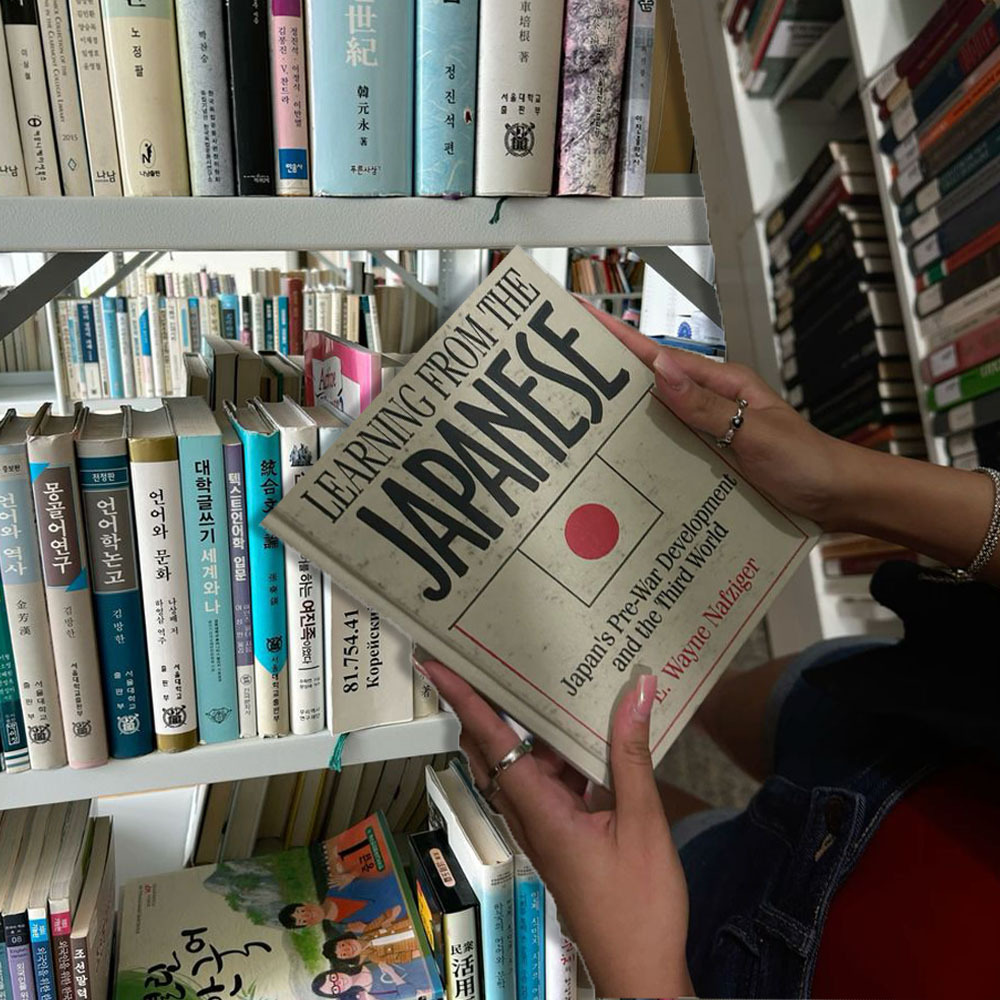
Libraries provide free access to Japanese books, manga, and audiobooks suitable for various skill levels. You can start with children's picture books and gradually move to more complex texts. Reading regularly exposes you to natural sentence patterns and common expressions you won't find in textbooks.
Community centers often host craft circles, cooking classes, and hobby groups where Japanese speakers gather. These spaces let you practice conversation while you work on shared projects. The casual environment reduces pressure and makes mistakes feel less serious.
Coding and programming communities offer resources in multiple languages, including Japanese. You can switch your software interface to Japanese or follow Japanese coding tutorials. Technical hobbies like these teach you specialized vocabulary that could help in professional contexts.
Songwriting and music composition groups sometimes meet online or in person to share work and give feedback. You can write simple lyrics in Japanese or collaborate with Japanese-speaking musicians. These interactions push you to explain creative ideas and accept suggestions in your target language.
Online hobby forums and social media groups connect you with Japanese speakers who share your interests. You can ask questions about techniques, share your projects, or simply read discussions to improve comprehension. These authentic interactions prepare you for real conversations better than scripted textbook dialogues.
Conclusion

Hobby-focused Japanese lessons transform language study from a chore into an enjoyable activity. You learn faster because you work with words and phrases that matter to you personally. This approach helps you stay motivated and builds real-world skills you can use right away.
The key is to choose hobbies that genuinely interest you, then find ways to practice Japanese through those activities. You might watch anime, read manga, cook Japanese recipes, or join online communities related to your interests. Each of these activities gives you natural exposure to the language while you do something fun.
Remember that consistency matters more than perfection. You don't need to master everything at once. Instead, you can build your skills gradually as you explore topics you love. This method works because it keeps you engaged for the long term, which leads to better results than traditional study methods alone.











 Connect with Facebook