




Why The Smallest Fashion Details Often Make The Biggest Brand Impact
How small details help fashion brands stand out.
Fashion is built on first impressions. A bold silhouette, a striking color palette, or a carefully styled campaign can all capture attention within seconds. Yet some of the most powerful brand signals are not always visible from across the room. They are found in the details: the stitching, the finish, the packaging, and the label sewn into the garment.
For designers, independent fashion brands, and growing apparel businesses, these small elements can shape how customers experience a product long after the initial purchase. In a market where consumers are more selective than ever, thoughtful branding details can help transform a garment from something wearable into something memorable.
The Rise of Detail-Driven Fashion Branding
Modern fashion consumers do not only buy clothes. They buy identity, values, quality, and story. Whether someone is shopping for luxury tailoring, handmade knitwear, sustainable basics, or limited-edition streetwear, they are often looking for signs that a brand has considered every part of the product.
This is why detail-driven branding has become so important. A care label that feels clear and professional, a hang tag that explains the story behind a collection, or a custom garment label that reflects the brand’s visual identity can all strengthen customer trust.
For emerging fashion labels, these finishing touches are especially valuable. They show that a brand is serious about presentation and quality, even before it reaches major retailers or fashion week runways.
Why Labels Matter More Than Many Brands Realize
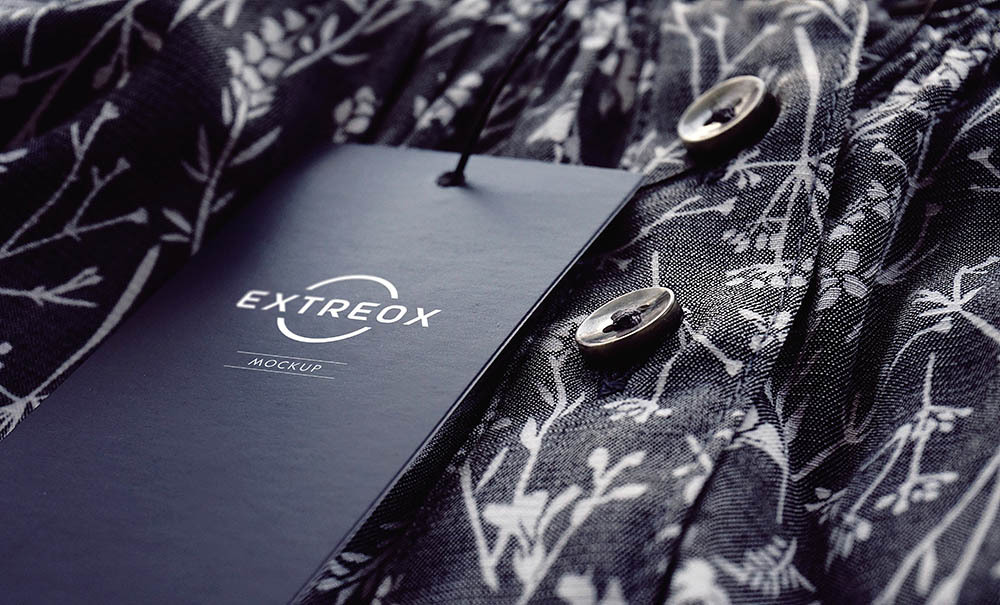
A garment label may seem like a minor production detail, but it carries significant weight. It identifies the maker, reinforces the brand name, and gives the product a sense of completeness. When customers pick up a garment, the label is often one of the first things they check to understand its origin, size, care requirements, and quality.
This is particularly important in fashion categories where craftsmanship matters. Boutique designers, handmade sellers, tailors, children’s clothing brands, and sustainable apparel companies all benefit from labels that feel aligned with their products.
A high-quality label can communicate professionalism without saying much at all. It suggests that the brand has invested in the full customer experience, not just the outer appearance of the item.
Creating a More Premium Customer Experience
Fashion is tactile. Customers notice how fabric feels, how seams sit, and how a garment moves. The same is true for labels. A rough, poorly designed, or generic label can distract from an otherwise beautiful product. On the other hand, a soft, well-made label can support the perception of quality.
This is where custom clothing labels become relevant for fashion brands that want their products to feel polished and retail-ready. Custom labels allow designers to match branding elements such as typography, color, logo placement, and material choice to the overall identity of the collection.
For brands featured in fashion-focused spaces, this level of consistency matters. A product that looks cohesive from campaign imagery to packaging to garment label is easier for customers to recognize and remember.
Woven Labels and Long-Lasting Brand Recognition
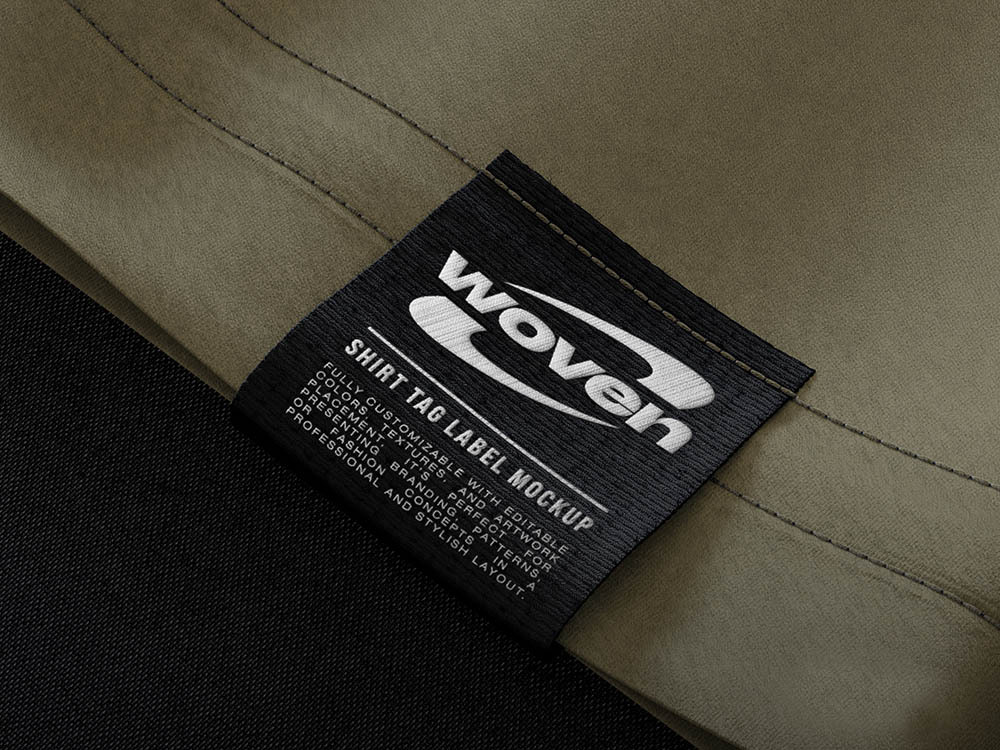
Among the different types of garment labels available, woven labels remain a popular choice because of their durability and premium feel. Unlike printed labels, woven designs are created by weaving threads together, which can make them more resistant to fading over time.
This makes them especially useful for clothing that is designed to last, such as outerwear, denim, knitwear, uniforms, accessories, and handmade garments. A well-designed woven label can stay intact through repeated wear and washing, helping the brand remain visible throughout the life of the product.
For designers building long-term recognition, this matters. Every time a customer wears, folds, washes, or recommends a garment, the label quietly reinforces the brand behind it.
Aligning Labels With Fashion Trends
Fashion branding is not separate from fashion trends. Minimalist labels suit understated luxury brands, while bold color combinations may work well for streetwear or youth-focused collections. Natural tones and organic textures can support sustainable or slow-fashion messaging, while metallic threads may enhance occasionwear or accessories.
The best labels do not feel like afterthoughts. They feel like part of the garment’s design language. For example, a children’s clothing brand may choose playful colors and soft textures, while a premium menswear brand may prefer a clean monochrome label with refined lettering.
The key is consistency. A brand’s label should support the same story being told through its website, product photography, social media presence, and packaging.
Small Details Can Support Bigger Growth
As fashion becomes increasingly competitive, brands need more than good products to stand out. They need a complete identity that customers can recognize, trust, and return to. While marketing campaigns and seasonal collections may create visibility, small product details help build loyalty.
A custom garment label is not just a technical requirement. It is a brand signature. It tells customers who made the product, signals care and quality, and gives the item a finished, professional feel.
For fashion brands aiming to grow, the smallest details can become part of the bigger brand story. And in an industry where image, quality, and identity are everything, those details are often what customers remember most.








 Connect with Facebook