




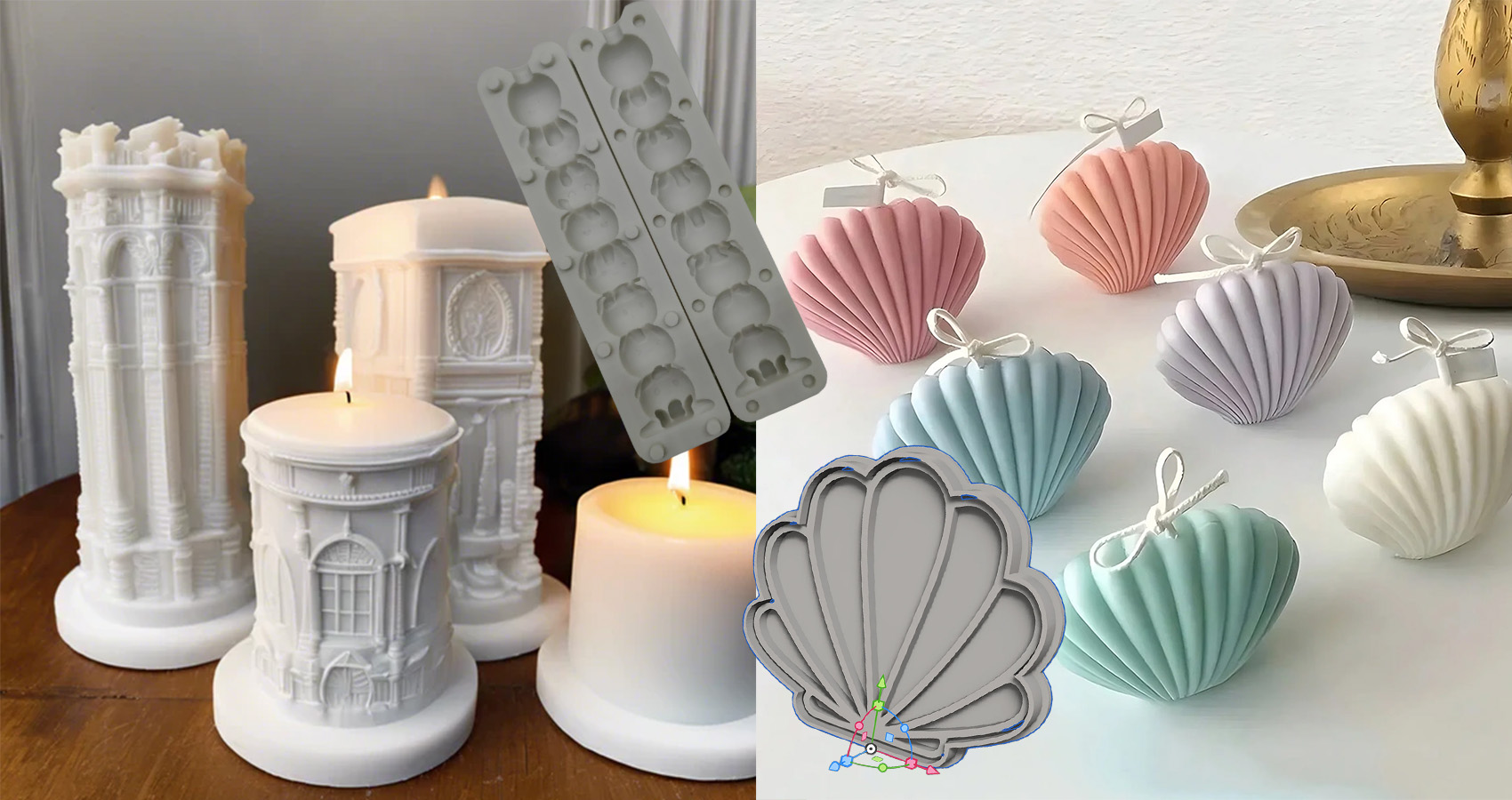
Which Wax Types Work Best With Custom Silicone Candle Molds?
How the right wax transforms silicone mold candles.
Custom silicone candle molds shape detail with ease, yet wax choice decides the final result. Makers often face cracks, poor release, or dull detail from the wrong wax. This guide clears that confusion and sets a clear path forward.
Soy and paraffin wax work best with custom silicone candle molds because they release cleanly, hold detail, and stay stable during cooling. Beeswax also works well for firm, decorative candles, while coconut wax suits blends that need strong scent and smooth texture. Each option fits a different goal, therefore wax choice should match the candle’s purpose.
The same wax can behave very differently depending on the mold it’s poured into. Compared with standard containers, custom-made candle molds tend to reveal differences in shrink rate, edge sharpness, and surface finish more clearly, especially during cooling. Seeing how wax performs side by side in these conditions helps makers adjust formulas before committing to larger batches.
Key Takeaways
- Wax choice affects release, detail, and candle strength.
- Soy and paraffin suit most silicone mold designs.
- Good technique supports better results with custom molds.
Choosing the Best Wax Types for Custom Silicone Candle Molds
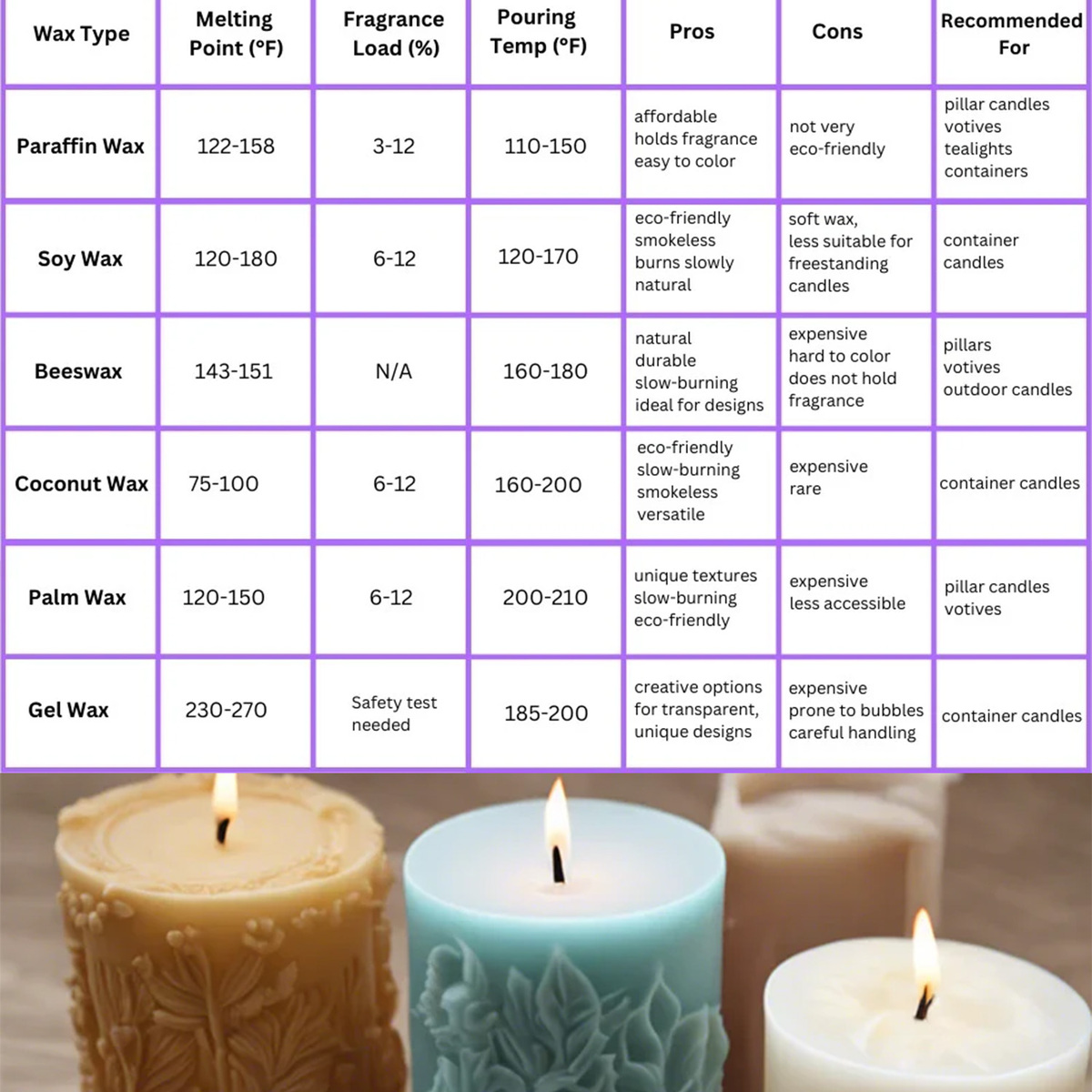
The right candle wax shapes how a candle releases, holds detail, and carries scent. Wax choice also affects surface finish, cure time, and results in custom silicone candle molds, even with fine designs like a succulent silicone mold made from food-grade silicone.
Key Criteria for Selecting Candle Wax for Silicone Molds
Wax must be released clean from silicone molds without tears or chips. Softer waxes flex with the mold, while harder waxes need careful temperature control. Mold compatibility matters more for detailed candle molds, such as succulent silicone molds used for small pillar candles or wax melts.
Heat tolerance also matters. Wax pours too hot may warp food-grade silicone. Wax pours too cool may trap air or blur edges. Scent load limits differ by wax type, which affects fragrance strength and surface texture. Shrink rate also plays a role, since high shrink wax pulls away from mold walls and leaves gaps.
Performance of Popular Wax Types in Silicone Molds
Paraffin wax holds sharp detail and suits pillar candles. It releases well from silicone molds but shrinks more than natural wax. As a result, it may need repours for flat tops.
Soy wax bends rather than snaps, which helps with demold. It fits best with simple shapes or blended waxes made for molds. Pure soy may frost or show rough spots.
Beeswax releases with ease and keeps shape well. It works well for decorative candles but costs more. Coconut wax feels soft and smooth, yet it often needs wax blends for firm molds. Palm wax forms crystal patterns and releases well, though it suits bold designs more than fine detail.
Optimizing Scent Throw and Surface Finish
Wax type controls scent strength and finish. Paraffin wax holds more fragrance and gives a smooth surface. It suits wax melts and scented pillar candles. Soy wax carries scent well but may show frosting, especially in cool rooms.
Beeswax brings a light natural scent, which limits added fragrance. Coconut wax supports a strong scent but stays soft, so blends help with structure. Carnauba wax often appears in blended waxes to raise hardness and gloss. Pour temperature and steady cooling help avoid sinkholes and rough tops in silicone molds.
Eco-Friendly and Sustainable Wax Options
Natural wax appeals to many candle makers. Soy wax, coconut wax, and beeswax come from renewable sources. These waxes pair well with eco-friendly wax goals and work in silicone molds with proper handling.
Palm wax counts as plant-based but needs careful sourcing to limit harm. Wax blends offer balance by mixing natural wax with small amounts of paraffin or carnauba wax. Blended waxes often give better mold release and smoother surfaces than single-source wax. For makers who want the best candle wax for silicone molds with lower impact, blends offer practical results without complex trade-offs.
Essential Techniques and Tips for Successful Candle Making with Silicone Molds
Successful use of silicone molds depends on clean preparation, steady temperature control, and smart choices for wicks, color, and scent. These steps support smooth tops, clean release, and consistent results across homemade candles, tarts, and wax melts.
Preparing and Handling Silicone Molds for Wax Pouring
Clean molds before each pour. Dust, oil, or leftover wax can mark the candle surface and block fine details. Warm water and mild soap work well, followed by full air dry.
Place molds on a flat, level surface. Soft silicone can bend, so support helps candles keep shape. A baking tray or firm board works for custom candle molds, wax melts molds, and even soap mold or candy molds used for wax.
Mold release rarely becomes necessary. Silicone already allows easy removal for most wax for silicone molds. A light spray helps only with deep or complex shapes. Secure the candle wick before the pour, therefore the wick stays centered. A pre-waxed wick saves time and keeps tension steady.
Temperature Control, Pouring, and Demolding Best Practices
Use a double boiler or melting pot to heat wax. Direct heat can scorch wax and shift color or scent. Each wax type has a set melting point, so follow supplier ranges.
Control pour temperature with care. Hot wax can warp silicone, while cool wax can trap air. Slow, steady pours reduce bubbles and lead to smooth tops. This approach works for container candles, wax melts container mold, and candle making kit projects.
Let wax cool at room temperature. Rapid cooling can cause cracks or sinkholes. After full set, flex the mold sides and release the candle with gentle pressure. Pulling too soon can tear edges, especially on narrow designs.
Wick Selection, Coloring, and Scent Incorporation
Match candle wick size to mold width and wax type. Wide molds need thicker wicks, while slim molds need less fuel. Pre-waxed wicks give even burn and simple setup.
Add candle dye after wax melt but before the pour. Stir with slow motions to spread color without air. Use dyes made for candles, not soap or candy colors.
Blend essential oils or fragrance oils at the right heat range. High heat can weaken scent, while cool wax can block mixing. Measure with care, since excess oil can affect burn quality. Balanced choices support clean burn and steady scent thrown across wax for candle molds and wax melts.
Conclusion
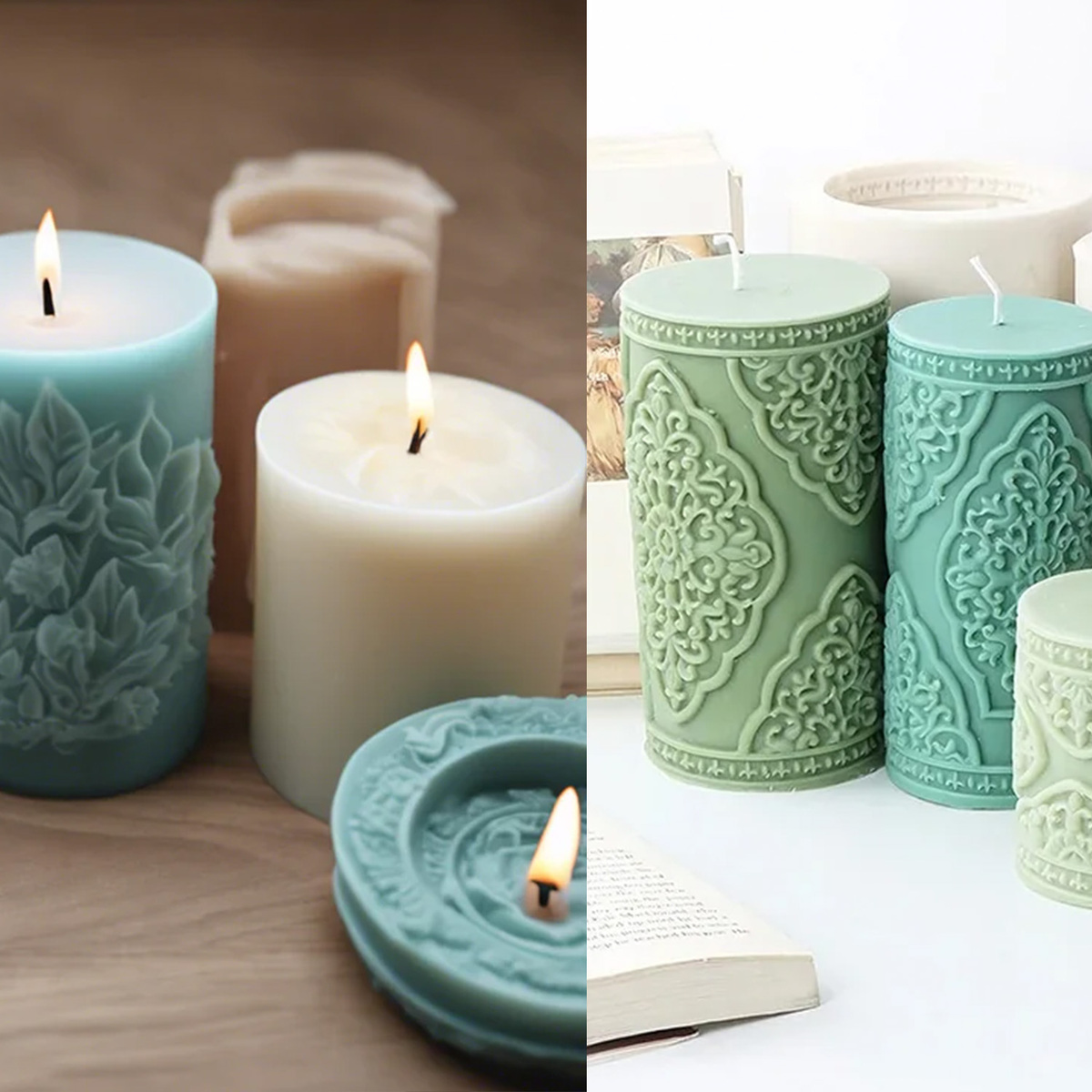
Custom silicone candle molds pair best with soy, paraffin, beeswax, coconut, and palm wax, each with clear strengths. Soy and coconut suit makers who want easy release and steady scent spread, while paraffin supports sharp detail and firm shapes.
Beeswax adds natural color and clean release, whereas palm wax creates texture that stands out in molded designs. As a result, wax choice should match the candle’s look, scent needs, and skill level rather than follow a single rule.










 Connect with Facebook