




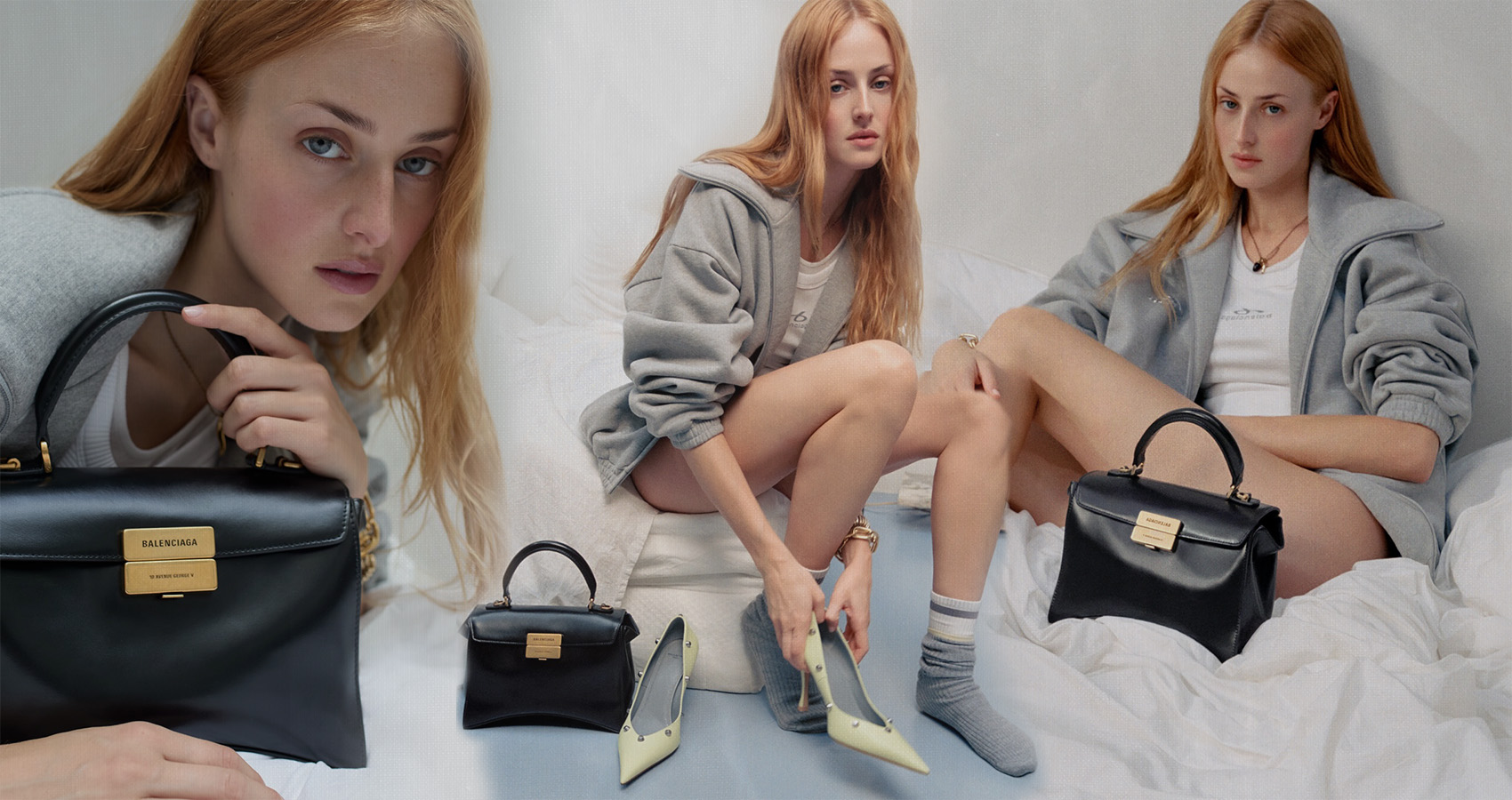
Balenciaga Debuts Hourglass Avenue Bag Campaign
Trading the usual luxury-advertising gloss for something more intimate
Balenciaga has put a very expensive handbag next to a pile of magazines and some wired headphones, and somehow, it makes perfect sense.
The house's new Hourglass Avenue Bag campaign trades the usual luxury-advertising gloss for something more intimate: vintage stereos, electric guitars, upholstered furniture and the kind of bedroom clutter that makes you want to put an album on and ignore everyone for a few hours.
Starring Maddi Waterhouse alongside a creative cast of models and artists, the campaign gives Pierpaolo Piccioli's latest handbag a personality that feels a little less untouchable and a lot more interesting.
This Is Not Your Mother's Precious Handbag Campaign
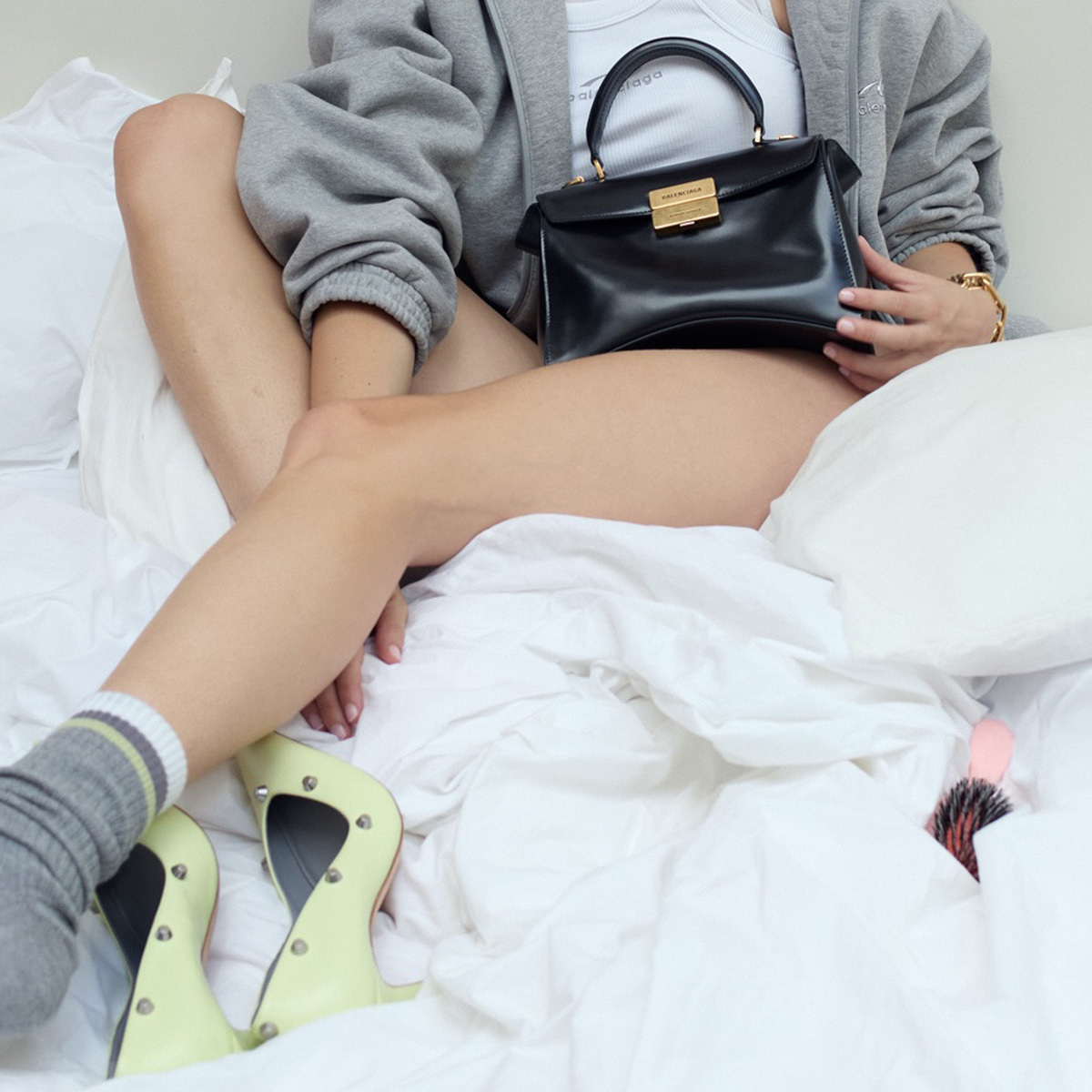
Photographed and filmed by creative duo Hart Lëshkina, the campaign places the Hourglass Avenue in spaces filled with music equipment, magazines and everyday objects.
The bag drapes over chairs and beds, sitting among cables and other signs of actual human activity. It isn't isolated on a pedestal or treated like something that should never come within three feet of a coffee spill.
That makes the imagery feel refreshingly personal. The handbag becomes part of someone's world rather than the entire reason that world exists.
Luxury fashion could probably stand to remember that people buy bags to live with them, not just to photograph them.
The Hourglass Shape Gets a Softer Side
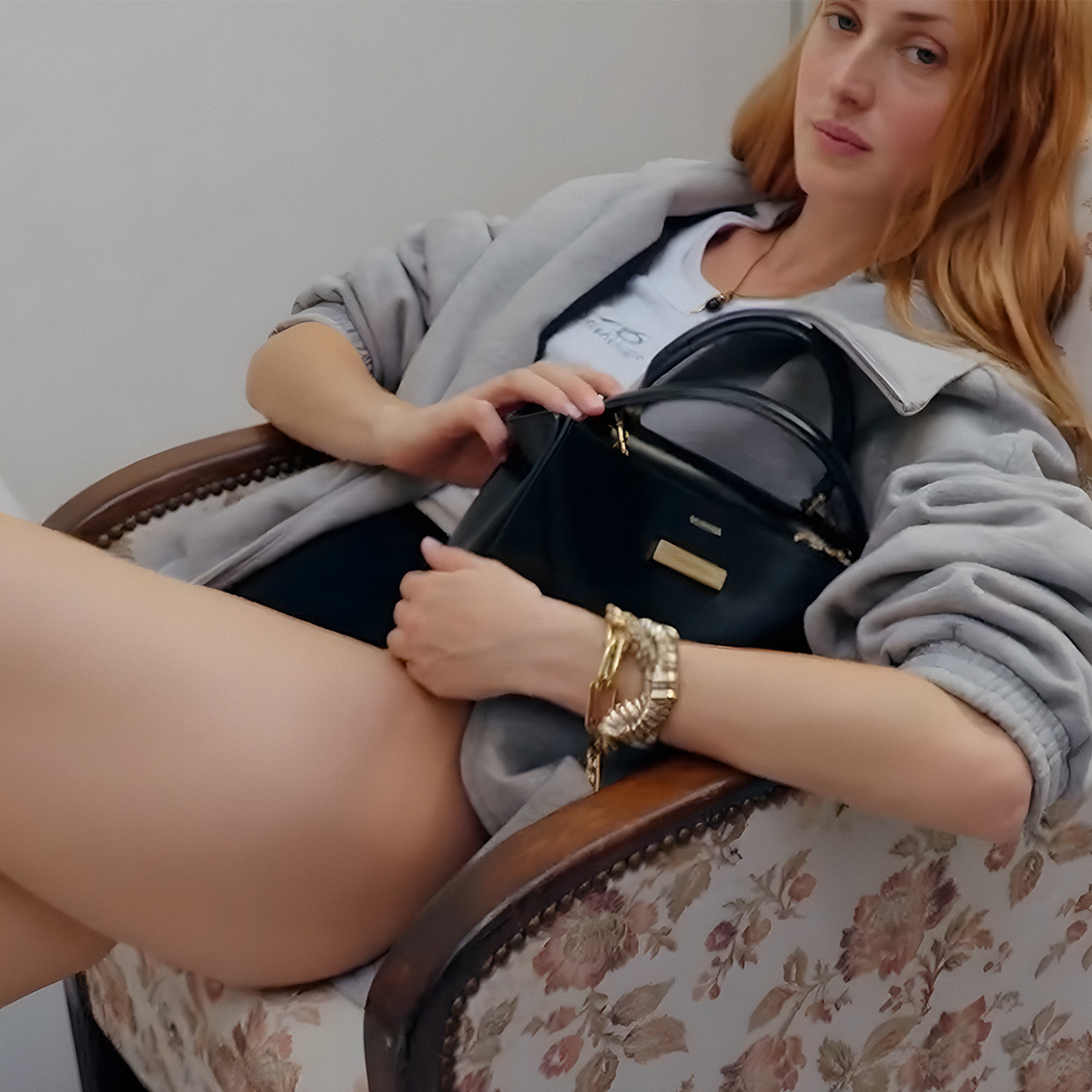
The Hourglass is already one of Balenciaga's most recognizable bag silhouettes, known for its sculptural, curved base and distinctly architectural shape.
Piccioli's Hourglass Avenue keeps that signature outline but approaches it with softer, more fluid leather. The result feels less rigid than the original, with a relaxed construction that makes the bag look comfortable in its own skin.
It still has the shape that makes it instantly recognizable. It just seems a little less interested in standing perfectly upright for inspection.
There's a Secret Handle, Too
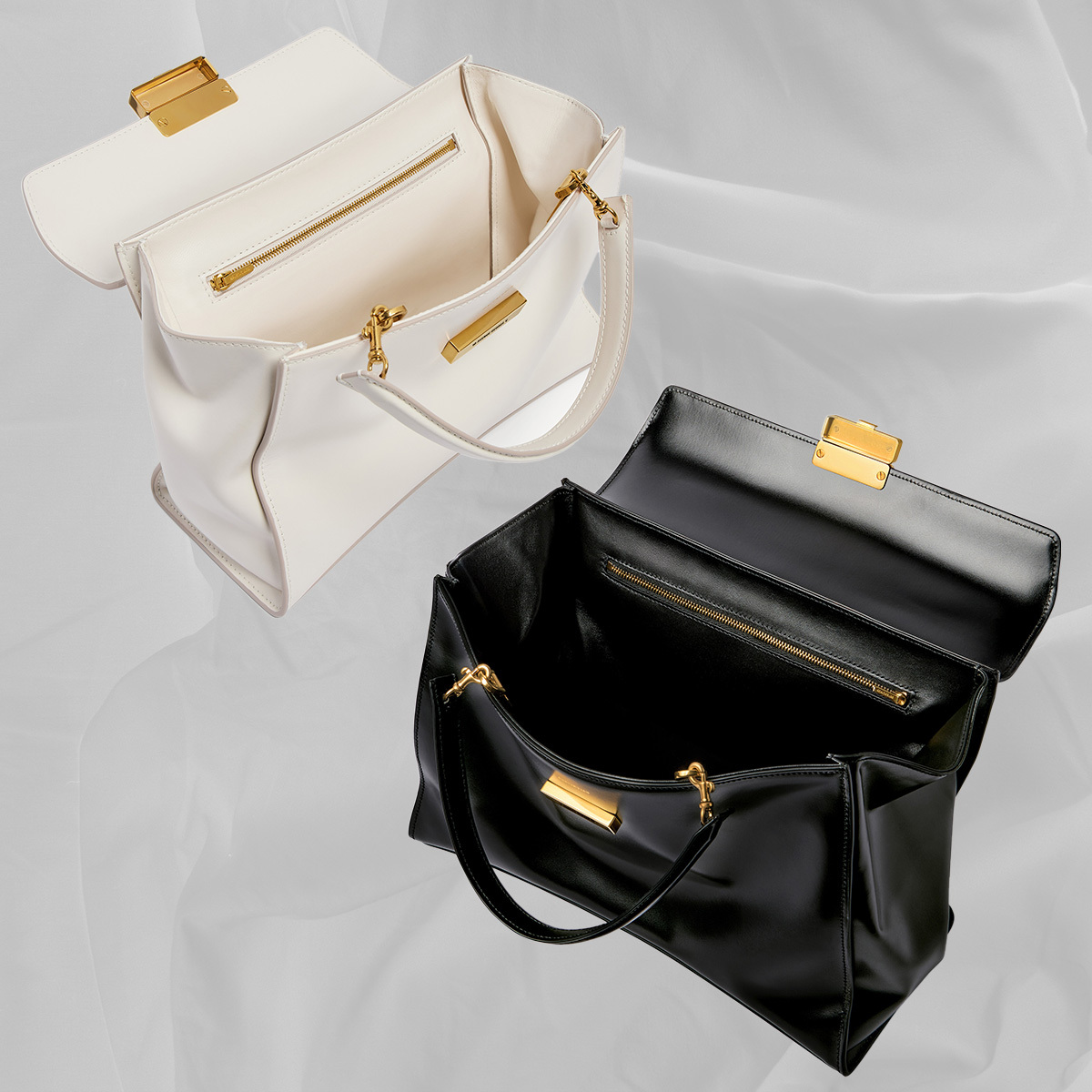
The design has a few details worth looking at beyond the silhouette.
A hinged handle adds another way to carry the bag, while the folding flap opens to reveal a second, hidden handle. The gold bar closures are engraved with “10 Avenue George V,” referencing Balenciaga's historic Paris address.
It's a neat balance of practical design and house heritage. The address is a small detail, but it ties the new bag back to the history behind the name without turning the whole thing into a museum exhibit.
Maddi Waterhouse Is Part of the Creative Cast
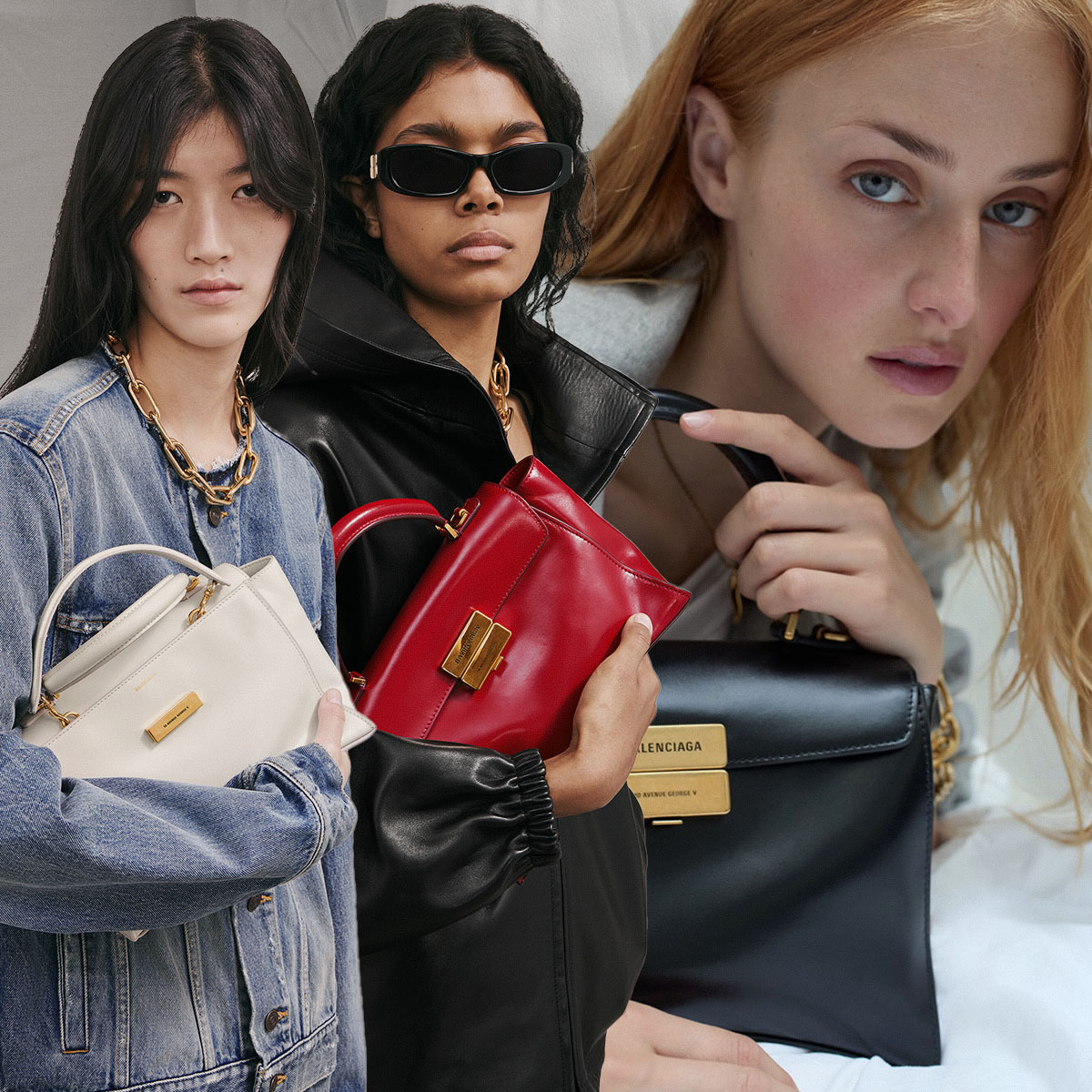
Waterhouse appears alongside Anna Van Patten, Blanca Soler, Ch'lita, Cala Moragas, Jasmine Yen, Salem Mitchell and Yang Chaoyue.
Rather than presenting everyone as interchangeable faces holding the same accessory, the campaign gives its cast room to bring individual energy to the imagery. That fits the setting: these are people inhabiting a visual world, not simply posing in front of one.
It's also a smart fit for Piccioli's Balenciaga, where the house's recognizable codes are being reconsidered through a more human, tactile lens.
Five Colors, Three Sizes, One Very Expensive Personality
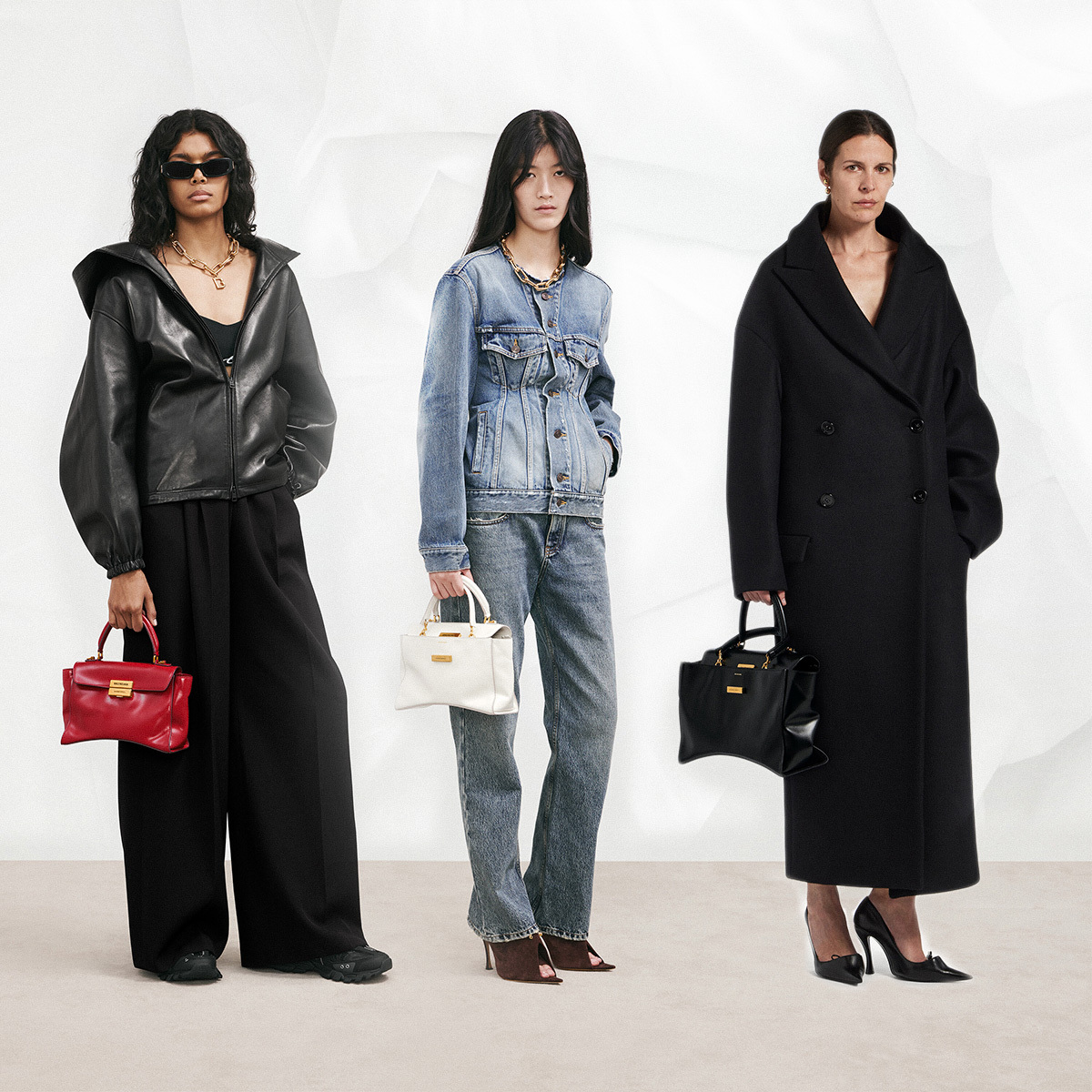
The Hourglass Avenue launches in three sizes and a palette that includes black, carmine red, pink, raisin and a shiny white reworked box calf leather.
That range gives the bag a few different personalities. Black keeps things classic, carmine red makes a statement, and raisin offers the sort of deep, moody color that can make an otherwise simple outfit feel considered.
The glossy white version, meanwhile, is for anyone who enjoys the aesthetic thrill of a white handbag and the low-level anxiety that inevitably comes with owning one.
The collection is available through Balenciaga's website.
Balenciaga Is Making Luxury Feel Personal Again
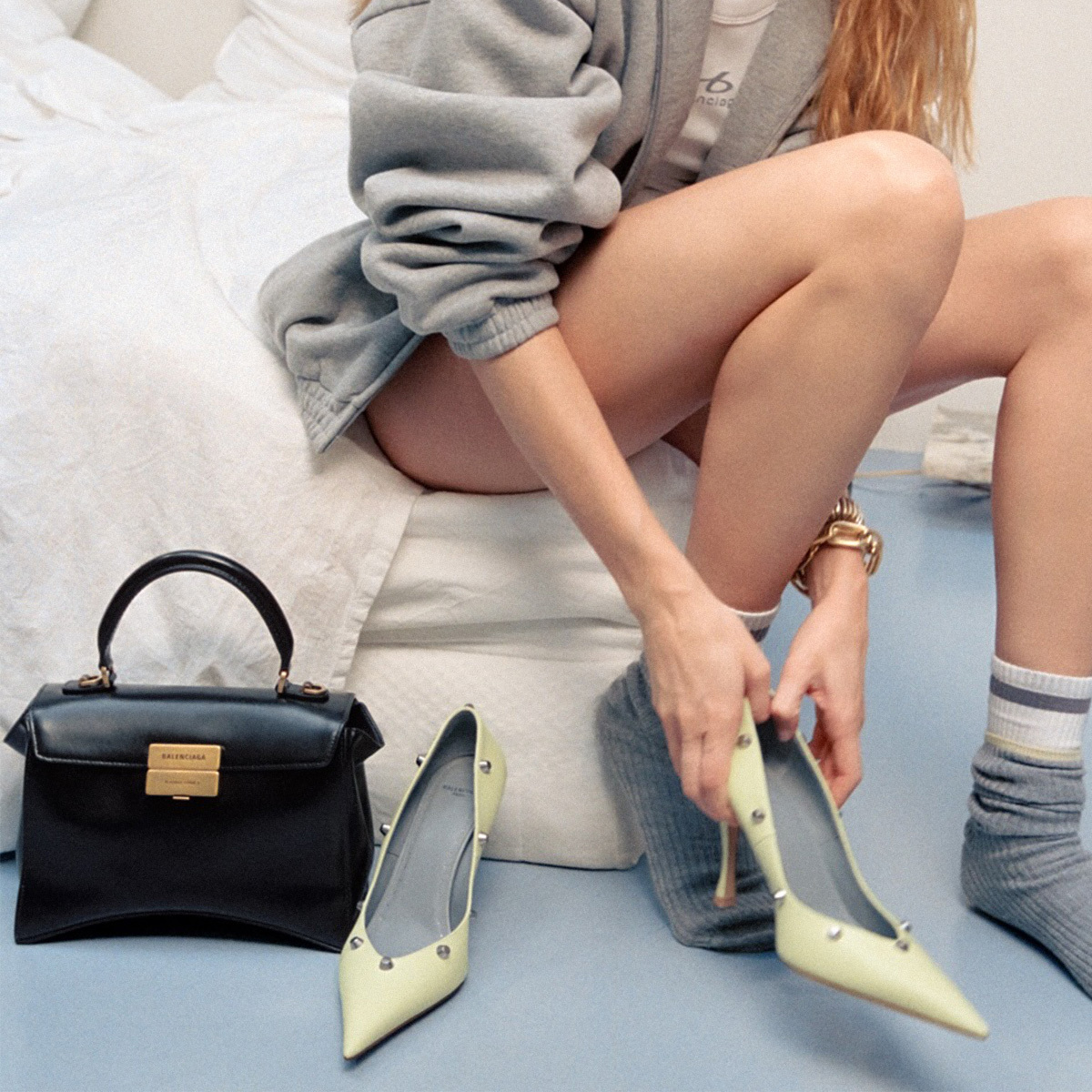
What interests me most about this campaign is how little it relies on making the bag look unattainable.
The Hourglass Avenue is still a luxury purchase, and the campaign certainly hasn't made it affordable. But the imagery suggests that the point of a beautiful object is what happens when you bring it into your own life.
It can sit next to your records. It can be tossed onto a chair. It can become part of the mess, the music and the ordinary rituals that make a space feel like yours.
Which is a much more appealing fantasy than a handbag that only looks good when nobody touches it.









 Connect with Facebook