




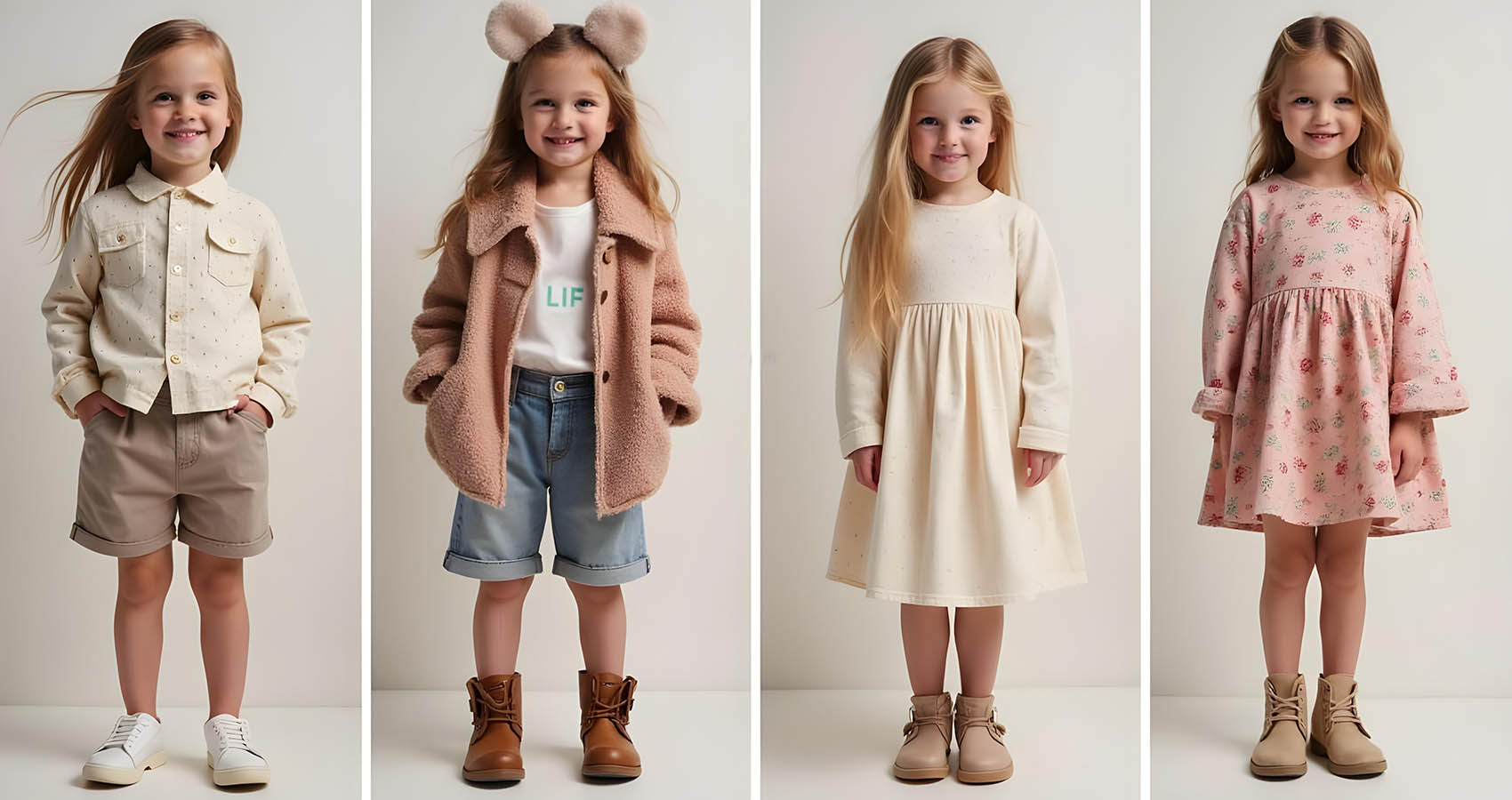
How To Balance Style And Comfort In Children's Clothing?
For retailers, boutique owners and brand buyers.
Eye-catching, trendy children's wear can contribute to the first purchase, but the softness, flexibility and breathability, is the decision to praise, word-of-mouth and return to the key single.
Only the pursuit of fashion ignoring comfort, will lead to complaints, returns, so that parents are dissatisfied; only the emphasis on comfort without style, will lead to unsalable goods.
The best children's collections are the ones that perfectly balance trendy design with comfort all day long.
As a children's clothing manufacturer with over 15 years of production experience, we will walk you through exactly how to strike the perfect balance between style and comfort—enabling you to create a children's apparel line that is not only widely popular but also boasts an exceptionally low return rate.
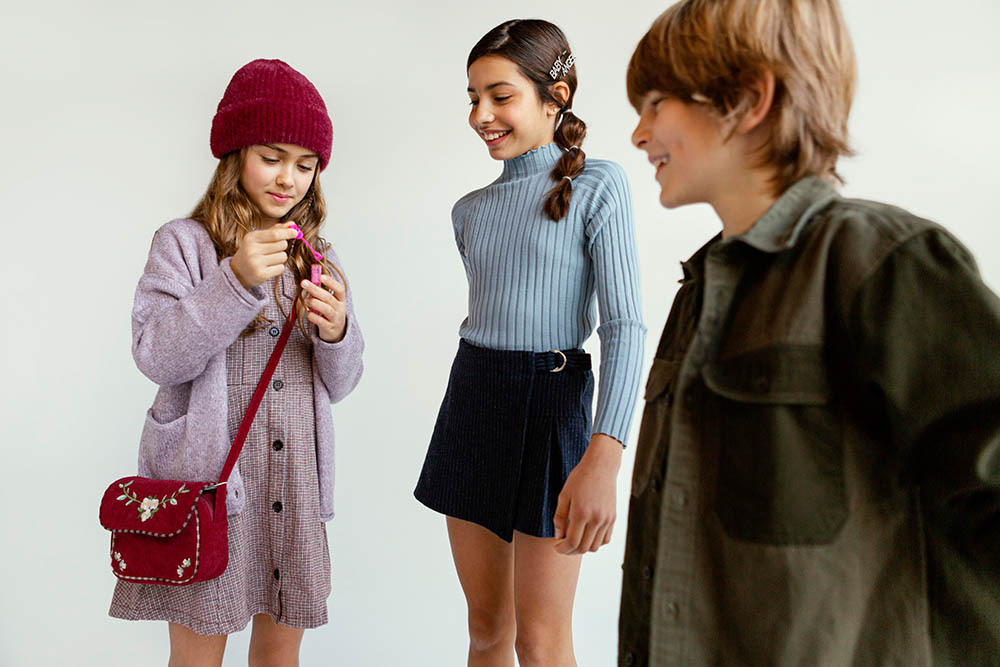
1. Choose Soft, high-performance fabrics
Fashion starts with fabric. No matter how beautiful the design, rough, stiff and uncomfortable the fabric, it will fail.
The best fabric for fashion and comfort:
- Cotton & cotton knit: soft, breathable and skin friendly
- French-threaded cotton: warm and lightweight, perfect for hoodies and suits
- High elastic knitted fabric: easy to move, not easy to deformation
- Cotton/polyester blend: durable, crease resistant, stylish
Fabrics to avoid:
- Non-stretchy, stiff, restrictive fabrics
- Rough lace, sequins, or prints in direct contact with the skin
- Cheap, thin fabric with a bad feel
When it comes to children's wear, comfort has to start at the fabric design stage.
2. Use fashion elements without sacrificing softness
Trendy details don't have to mean uncomfortable. Quality manufacturers can present fashion safely and softly.
Safe, skin-friendly children's fashion design:
- Sequins, rhinestones: sewn (not pasted) and lined
- Appliqué, embroidery: soft edges, no sharp edges
- Ruffles, lace: light and soft, not tight
- Trendy: slim but not tight, baggy but not puffy
As long as the fashion elements are properly positioned and lined, children can look good and feel comfortable.
3. Give priority to flexibility for active children
Children can run, jump, climb, and play-the clothes must follow them.
Comfort design principles:
- Add a little spandex for added elasticity
- Use a soft stretchy waist (no tummy)
- Make Room for your knees, armpits, and shoulders
- Avoid tight cuffs, narrow necklines and stiff skirts
Clothes move freely, children are happy, and parents are happy.
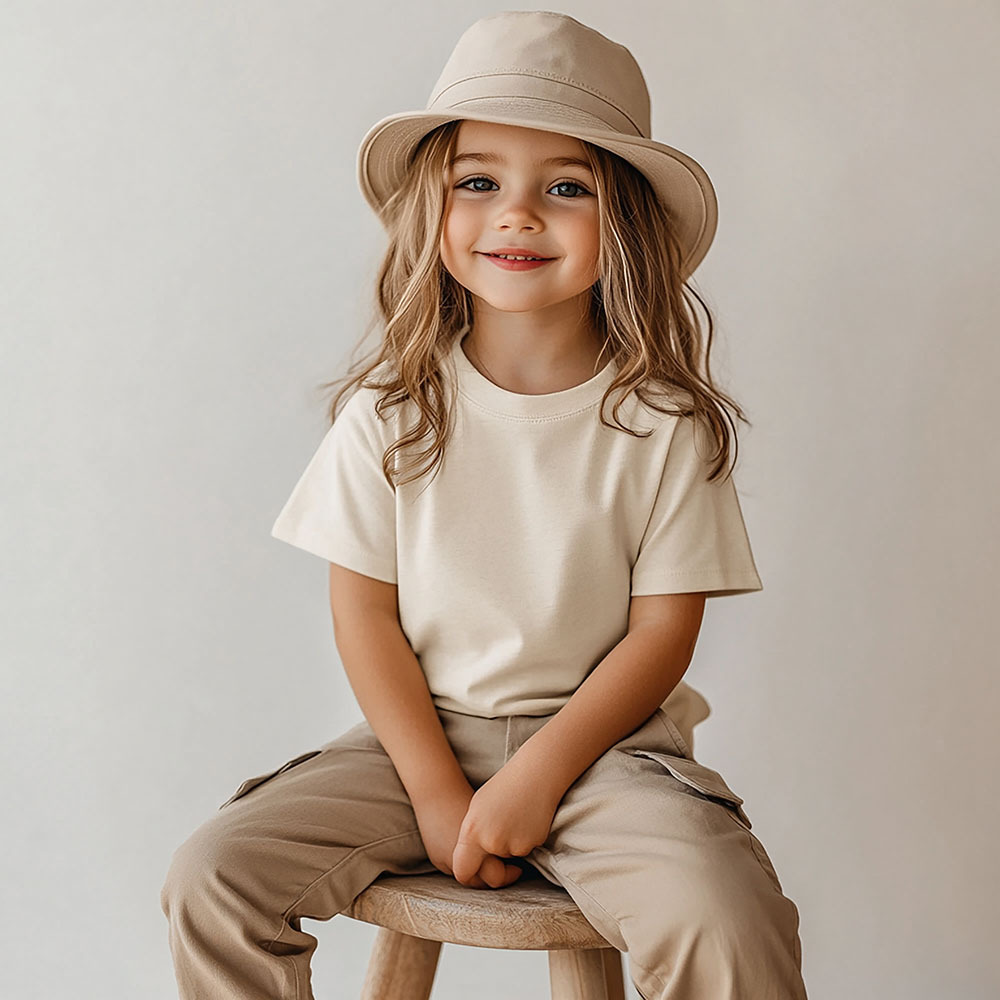
4. Shape is the invisible key to balance fashion and comfort
If you don't get it right, you won't look good or feel comfortable.
Rules of professional typography:
- Follow n/European standards (2T -12Y)
- Slightly relaxed to accommodate fast-growing children
- It's not too tight, it's not too flat, and it's got a clean cut
- Hemlines, necklines and sleeves are age-appropriate, safe and aesthetically pleasing
A good cut will help your child dress stylishly and comfortably.
5. Simple, clean, timeless designs last the longest
The most successful brands of children's wear are all in the trend of simplicity and practicality.
Smart design ideas:
- Classic + small trend upgrade
- Soft colors, easy to mix and match
- Washable prints that don't crack and fade
- An all-purpose dress for school, Day and party
Retailers love these styles because they ship quickly and return very few items.
6. safety = long-lasting comfort
Comfort also means safety and lack of stimulation.
Safety Standards for Children's Clothing:
- Non-azo, non-toxic dyes
- CPSIA & CPC certified (must have for US market)
- The inside is smooth and smooth
- No sharp buttons, gadgets, dangerous drawstrings
Safety builds trust, and trust builds long-term brands.
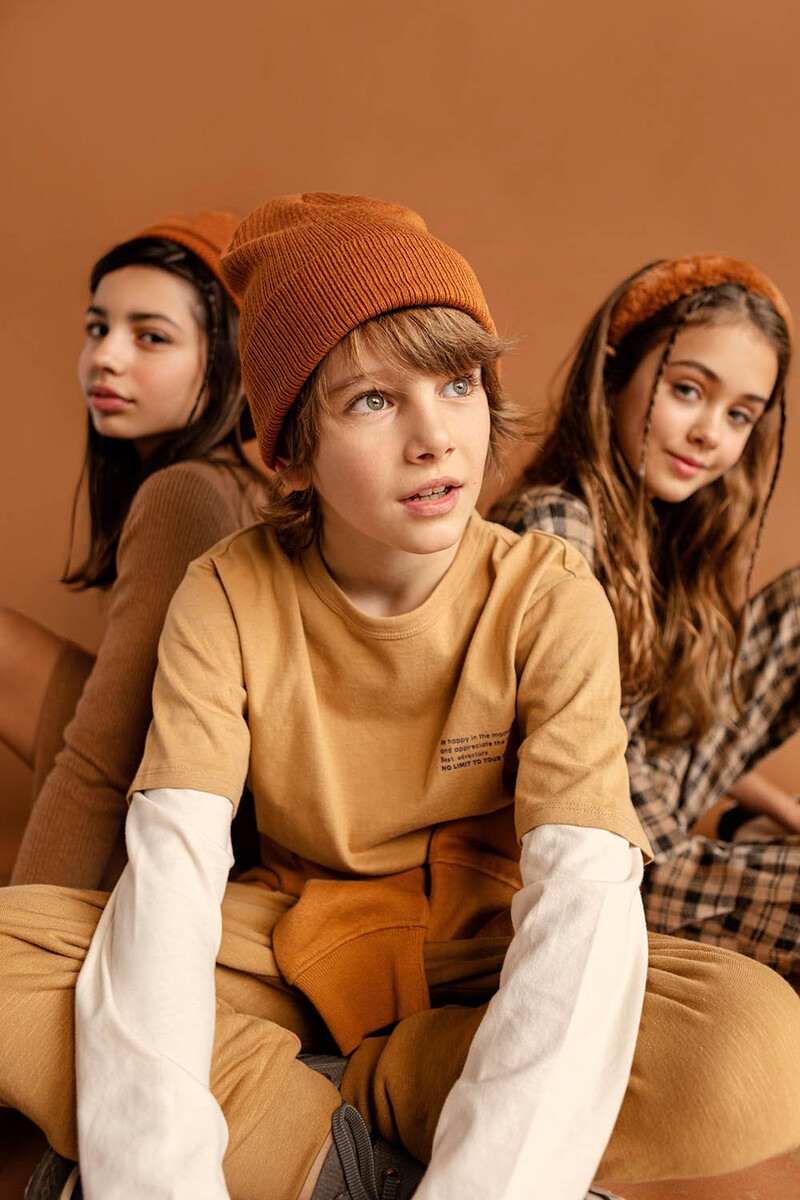
7. Do a try-on test before mass production
Before ordering in large quantities, be sure to test the following:
- Is your child comfortable sitting, running, and playing?
- Is the fabric still soft after washing?
- Does the stitching or trim rub the skin?
- Is the fabric breathable or sweaty?
High-quality manufacturers such as HAPA provide high-quality samples for testing before bulk shipments.
The retailer's final specialty list
Children's clothing can easily balance fashion and comfort if it:
1. Soft, stretchy, breathable fabrics
2. Sequins/lace/embroidery are lined with protection
3. Flexible, unfettered activity design
4. A stable, standard fit
5. Non-toxic, safe materials
6. Washable and wearable workmanship
7. A stylish but practical style
With these qualities, you can create a children's line that continues to explode and lock in loyal customers.
Looking for a source of trendy yet comfortable children's clothing?
Hapa Garments specializes in children's clothing that is trendy, comfortable, safe and easy to sell.
We offer:
- Support Small and medium-sized brands with low minimum order quantity
- OEM & ODM Custom Design
- Soft high quality fabric
- Cpsia, CPC, OEKO-TEX
- Syncing international fashions every season
If you want to create a high-margin, low-return children's clothing line, we are your reliable long-term partners.
Frequently Asked Questions (FAQ)
How to balance fashion and comfort in children's Wear?
Q1: Why is it so important to balance fashion and comfort in children's Wear?
A: fashion attracts new customers, whereas comfort determines customer satisfaction, reduces returns, and builds long-term trust. Children's daily activities require soft, stretchy clothing, while parents prefer styles that are beautiful, durable, and versatile enough to fit any situation.
Q2: What fabrics are best for children's wear that are both stylish and comfortable?
A: The most reliable fabrics include pure cotton, cotton knits, French rib cotton, spandex blends and breathable polyester blends. These materials are soft, elastic and durable, while also supporting stylish designs.
Q3: How Do You Design Children's fashion without sacrificing comfort?
A: full lining, soft edging, elastic stitching, loose and tight waist and smooth inside seams. Avoid designs that irritate children's skin-such as sharp sequins, rough lace or too tight cuts.
Q4: What design details can make for a stylish and comfortable look?
A: using a standard n or European size, loose but stylish tailoring, flexible neckline design and ergonomic tailoring will ensure that your child can maintain a stylish look while at the same time, the freedom to move around freely while maintaining a stylish look.
Q5: Which is more important for children's clothing retailers, fashion or comfort?
Both are equally important. Fashion drives sales, while comfort leads to repeat business, positive reviews and word-of-mouth recommendations -- the key to the long-term success of boutiques and brands.
Q6: How Do Retailers Wholesale Children's clothing that is both stylish and comfortable?
A: Choose an experienced manufacturer of children's clothing, who can guarantee the supply of soft fabrics, safety certification, flexible design, and size and fit of professional control of clothing.








 Connect with Facebook