




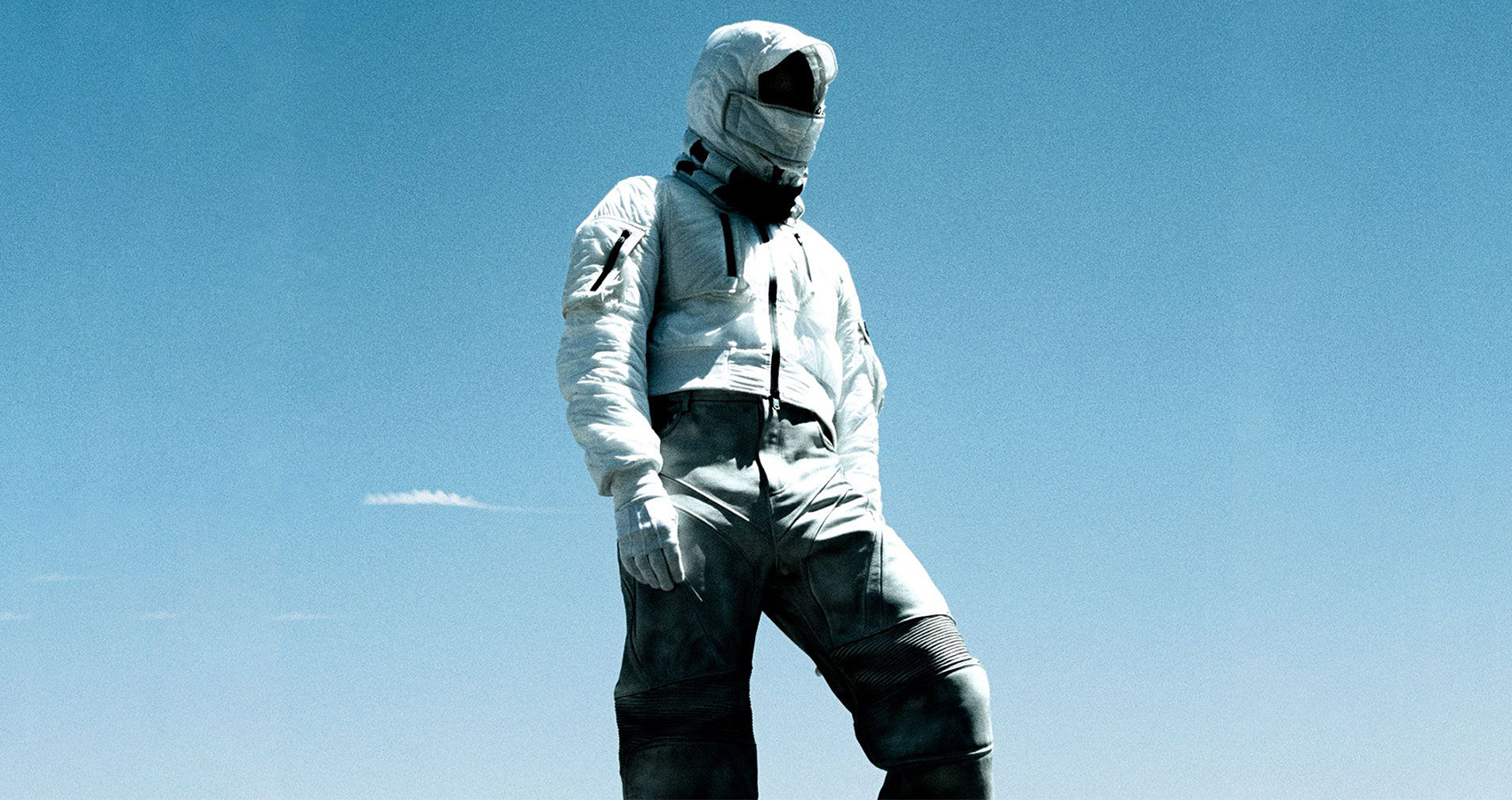
Aaron Hibell And The Music That Arrives On Its Own Terms
Electronic music's most cinematic mind.
Synchronicity, Aaron Hibell's debut full-length album, begins and ends on the same chord, not by design, but by accident. When he noticed the coincidence late in the process, he considered keeping it as a perfect loop. Instead, Aaron pulled two tracks to make sure the album flowed better. That decision tells you almost everything about how he works: the meaning was already there, and his job was just to get out of its way.
Inspired by Carl Jung's teachings on interconnectedness, shaped by a year of health struggles that made him more present, and recorded largely beside rugged, untouched beaches in the UK.
From Monastery to Full Album: The Architecture of Flow
Aaron's earlier work, the "Monastery of Sound" mixtape series, was always experimental by design. He describes those releases as snapshots, a way of uncovering his own tastes without the pressure of a definitive statement. Synchronicity is something different. For the first time, he says, a project felt genuinely intentional, tracks designed to flow into one another, a continuous listening experience rather than a collection of individual moments.
The album's through line emerged rather than being constructed, which is partly why assembling it wasn't the battle he expected. What anchored everything was an unlikely starting point: during the 2020 lockdown, he discovered an unfinished Avicii clip, stripped the vocals from an existing release, and built his own arrangement around the bones of the original. That track, "Ghost," carrying a songwriting credit for Tim Bergling, became the project's emotional kickstart.
From there, other pivotal moments followed: "Open Your Eyes" arriving fully formed, "Ascension" evolving from a short intro into a complete piece after he sampled a poem from Interstellar, and "SOS" finally resolving after three years of trying to wrap Radiohead-style chromatic progressions into a dance format.
Cinematic Instincts and the Dance Floor: He Didn't Always Chase
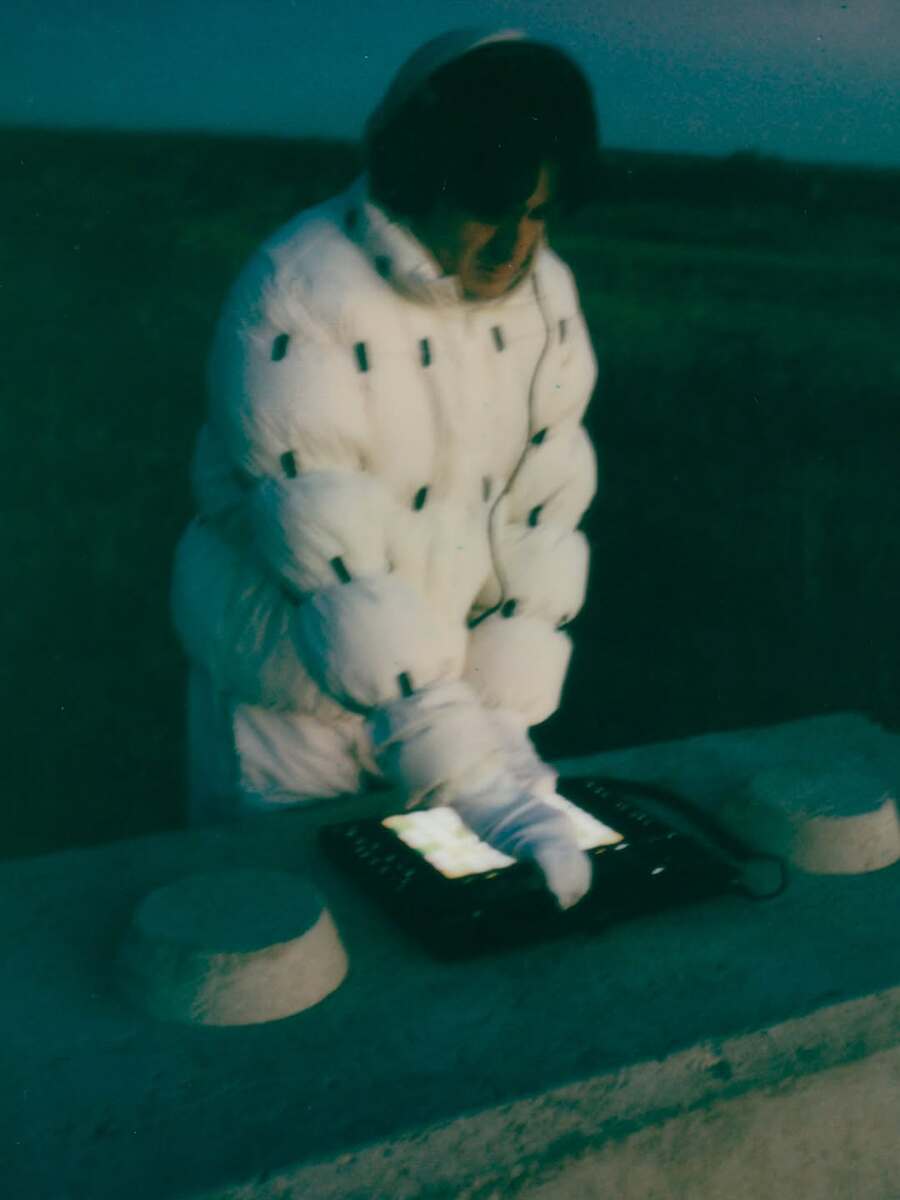
His biggest creative influences aren't other electronic artists. They're Hans Zimmer and Ludwig Göransson, film composers who build worlds rather than tracks. He has spent years trying to bring that cinematic sensibility into trance and techno, using a film-scoring mentality to move listeners through a journey. Much of Synchronicity was made with field recordings of the sea and wind woven into the production, giving it a texture that feels less like a DJ album and more like a score for a place that doesn't exist yet.
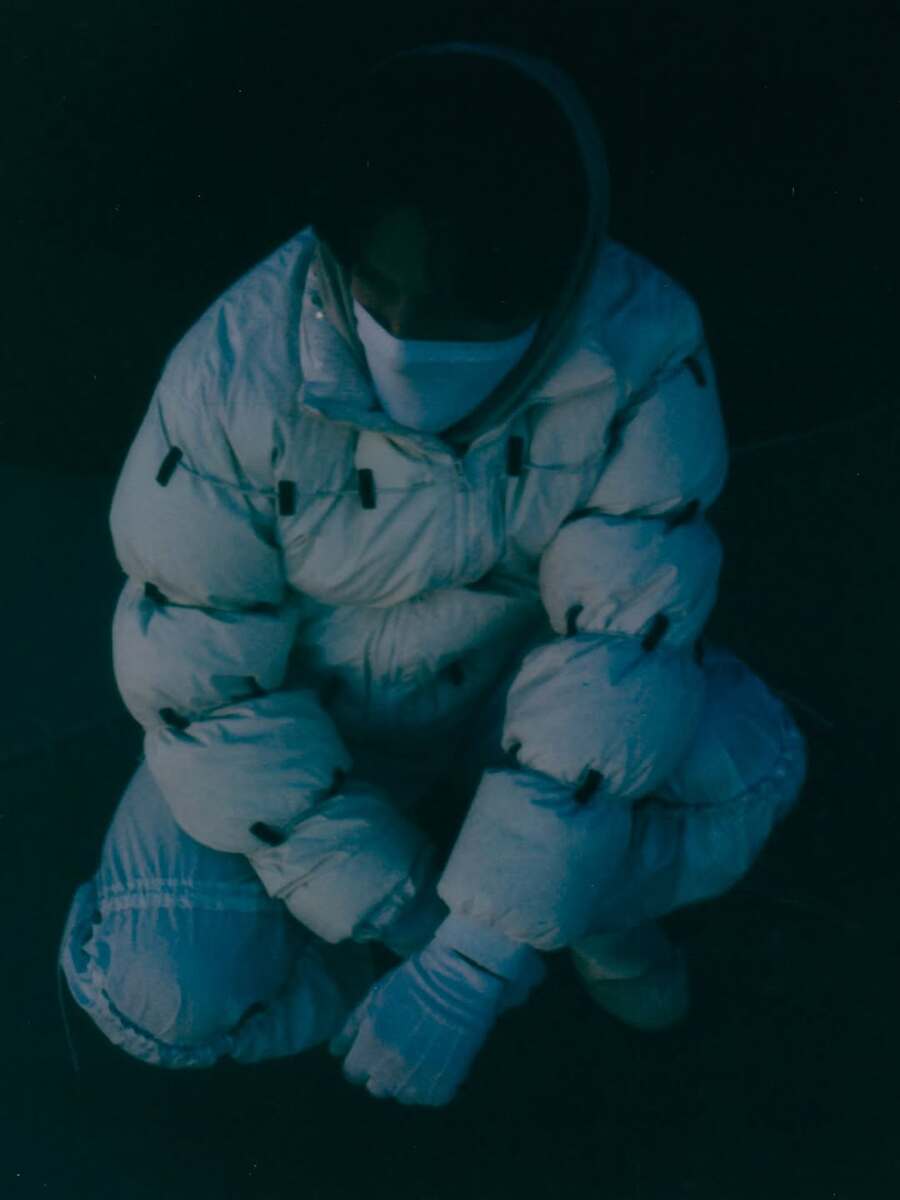
He admits freely that the dance floor wasn't always the priority. For this album, he wanted to protect the purity of the original ideas. For live performance, he builds separate, optimized versions of the tracks, a distinction that reflects a broader creative philosophy around limitations. He restricts his own parameters deliberately to avoid decision paralysis, believing that fewer options force more inventive solutions. His go-to exercise is the one-hour track challenge: finish something completely, quickly, without overthinking it. Some of his best work, including "I Feel Lost," came from that constraint.
What Comes Next
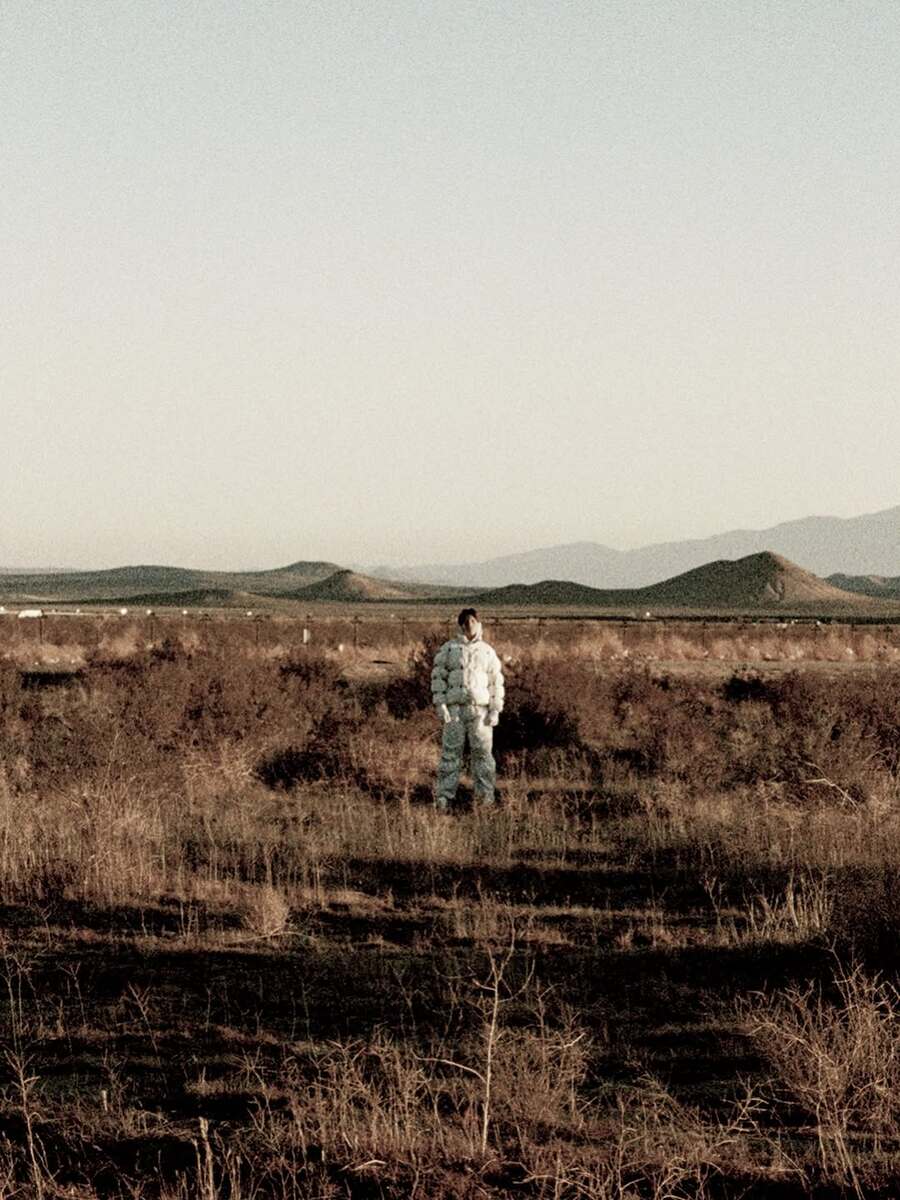
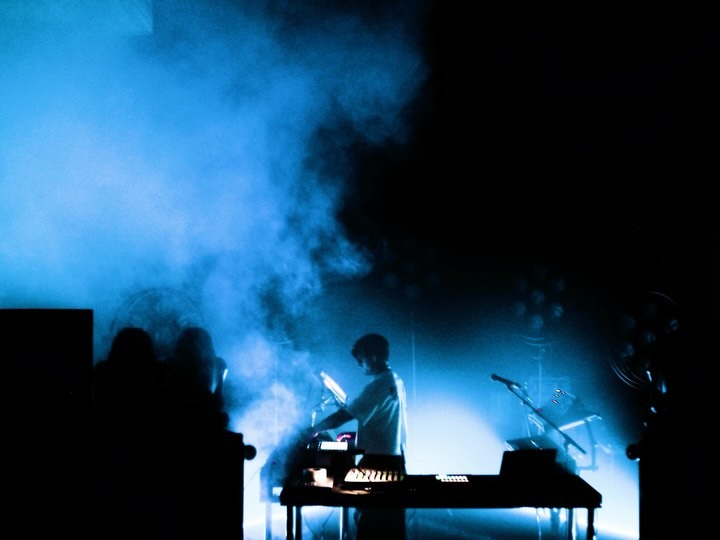
Aaron is heading into a North America tour with a clear intention: make the show more live each time, push the dynamics higher and lower, and maintain the intimate moments, performing at the edge of the stage, building directly off the crowd's energy. He's excited to open sets with "Open Your Eyes" for its meditative quality, and to play "Quasar" in New York for crowds he describes, with obvious affection, as absolutely feral.
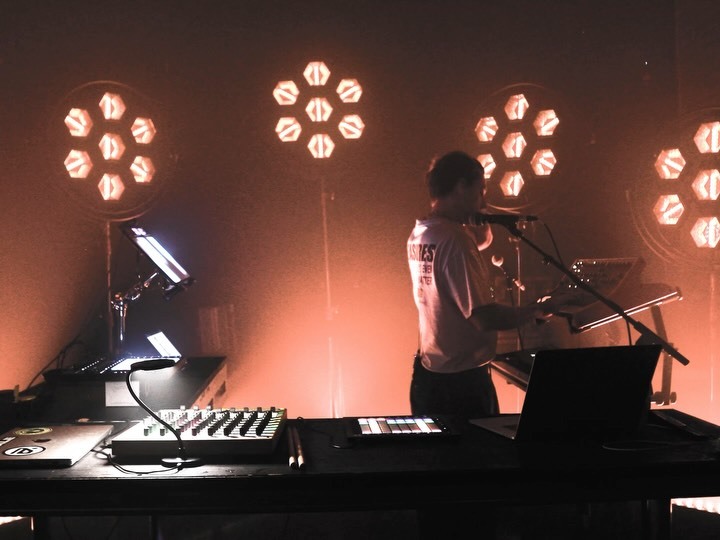
Beyond the tour, he's already thinking about the next project, one that trades the coastline for cities, the sea for what he calls the "beating heart" of urban life. The album he wants to score someday is a devastating sci-fi film, emotionally charged, room for experimental sound design. Whether that stays a fantasy or becomes a reality, it fits the pattern: Aaron Hibell is always building toward something slightly larger than what he's already made.
For new listeners, he wants one thing understood. The music is made with a lot of care. He hopes they feel awe, then wonder, then eventually, euphoria. The chord that opened the album is the same one that closes it. He didn't plan that.
He just knew enough to leave it alone.









 Connect with Facebook